Description
Cercis chinensis 'Shirobana' Shrub | Chinese redbud
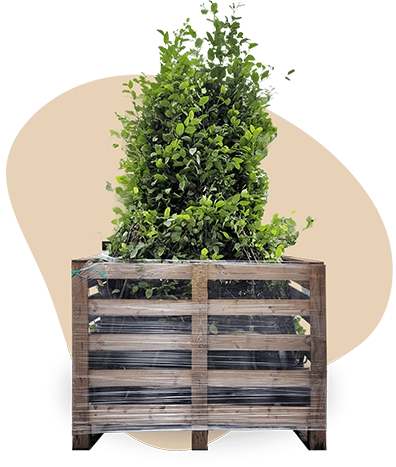
Chinese redbud shrub Cercis chinensis 'Shirobana' is a named cultivar supplied in shrub form, offering a strong ornamental presence for UK gardens. Also known as Chinese redbud or Chinese Judas tree, this plant develops an upright, bushy and spreading habit. Its broad silhouette gives it a substantial shrub image at garden level, rather than the appearance of a standard tree. When mature, it can reach around 4 metres in height. The deciduous foliage is green and heart-shaped, creating a clear leaf display during the growing season. In April and May, the shrub produces abundant white and pink flowers. This two-tone flowering effect makes the plant easy to notice and adds seasonal interest before the leaves take centre stage. The named cultivar 'Shirobana' is supplied specifically as a shrub, so its shape and garden use are central features of the plant. It works as an ornamental focal plant where a broad, upright form is wanted. As part of the cercis genus, it brings together decorative foliage, seasonal flowering and a substantial shrub silhouette in one garden plant.
Key features of Chinese redbud (Cercis chinensis 'Shirobana')
- Distinctive flowering: The Chinese redbud shrub has prominent and abundant flowers in April and May. White and pink blooms appear together, creating a noticeable two-tone display that gives the plant strong seasonal interest.
- Decorative foliage: The leaves are green and heart-shaped. As a deciduous shrub, it offers a fresh foliage display during the growing season and a different seasonal outline when the leaves are absent.
- Growth and form: This shrub is upright, bushy and spreading, with a broad ornamental silhouette. It can reach around 4 metres when mature, giving it a substantial visual presence in a border or as a specimen shrub.
- Aspect: Choose full sun or partial shade in a UK garden. A sheltered position is useful where late frosts may be a concern, while exposed positions are best avoided as a cautious placement choice.
- Soil: The plant prefers fertile or humus-rich, well-drained and lime-rich soil. Good drainage is important, so avoid waterlogged ground. These conditions give the shrub a suitable foundation for its growth and flowering.
- Garden category: With its seasonal flowers and ornamental foliage, it fits naturally within flowering shrubs. Its form also makes it relevant for gardeners seeking a flowering shrub for a sunny garden or a border.
Uses of the Chinese redbud shrub in the garden
- Specimen planting: Use the Chinese redbud shrub as a specimen plant where its broad, bushy outline can be seen clearly. The shrub form gives presence at garden level and creates a strong flowering focal point without presenting the plant as a standard tree.
- Border planting: In a border, the upright and spreading habit adds structure and visual weight. Its white and pink flowers provide a clear seasonal accent, while the heart-shaped green leaves continue the ornamental effect after flowering.
- Group planting: Several shrubs can be used in group planting where a broader visual presence is wanted. The substantial silhouette helps create a connected planting effect while keeping the distinctive two-tone flowering visible.
- Plant combinations: Combine it with compatible ornamental shrubs and perennial planting. Other flowering shrubs, foliage plants and border perennials can help create a varied garden display without taking attention away from the Chinese redbud’s flowers and foliage.
- Hardiness: The plant has a hardiness range of approximately -23.3°C to -17.8°C, corresponding to USDA zones 6 to 9. This provides a useful guide for UK gardeners considering it for a suitable garden position.
- Ornamental value: Its main appeal comes from abundant white and pink flowering, decorative heart-shaped foliage and a strong shrub silhouette. The broad form is useful where a substantial flowering accent is wanted in the garden.
This Chinese redbud shrub suits UK gardeners looking for a flowering specimen with a broad, bushy garden presence, whether placed in a border, used in a group or given space as an ornamental focal plant.