Description
Humulus lupulus 'Herculus' Staked | Common hop
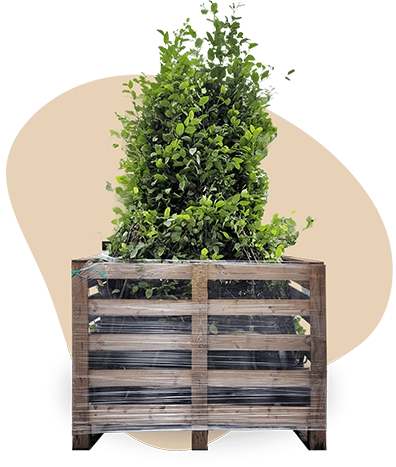
This cane-trained hop plant is Humulus lupulus ‘Herculus’, a specific form of Common hop with a clear, upright starting structure. The cane gives this vigorous, fast-growing deciduous climber a neat framework from which it can continue upwards against a suitable support. With green foliage, a climbing and upright habit, fragrant growth and decorative greenish-yellow hop cones, it brings both height and seasonal interest to a UK garden. The plant can reach up to approximately 6 metres in height, so it needs a suitable pergola, trellis or fence to support its continued growth. Its green foliage is deciduous, and the above-ground growth dies back in winter. In summer, greenish-yellow flowers add colour before the decorative hop cones develop. The cane-trained presentation gives the plant a more structured appearance at the start, making it easier to introduce vertical form beside a garden structure. It suits gardeners looking for a fast-growing climbing plant with a naturalistic character, seasonal change and a strong architectural role. As a member of the climbing plants range, this Common hop is chosen for its upward growth, upright presentation and ability to add a leafy, seasonal screen to a supported garden feature.
Key features of Common hop (Humulus lupulus)
- Summer flowers and cones: The greenish-yellow flowers appear from July to September. They are followed by decorative green hop cones, which provide a notable ornamental feature as the season develops.
- Green, deciduous foliage: The plant carries green foliage during the growing season. As a deciduous climber, its above-ground growth dies back in winter, giving the garden a clear seasonal change.
- Light and soil: Common hop grows in full sun or partial shade. It prefers rich, humus-rich soil that is slightly moist but well drained, with enough fertility to retain some moisture without becoming waterlogged. This is especially useful in UK gardens where wet winter conditions can make drainage important.
- Vigorous cane-trained growth: This cane-trained form provides an upright supported starting structure for a vigorous climber. The plant continues upwards over a pergola, trellis or fence and is well suited to the fast-growing climbing plants category.
Uses of a cane-trained hop plant in the garden
- Pergolas and trellises: The cane-trained hop plant has an upright starting appearance that works well beside a pergola or trellis. Once supported, its fast seasonal growth helps draw the eye upwards and adds vertical interest to the structure.
- Fences and naturalistic planting: It can be grown against a suitable fence or used as a specimen in a naturalistic garden. The trained cane gives the plant a clear position at the start, while the climbing growth develops above and around its support.
- Winter hardiness: The supplied hardiness range is approximately -28.9°C to -17.8°C, corresponding to USDA hardiness zones 5 to 7. In winter, the above-ground growth dies back, so its seasonal structure changes as part of the plant’s natural cycle.
- Combining with other plants: Combine it with compatible sun or partial-shade perennials and other naturalistic planting. Climbing plants and naturalistic perennial planting can work well alongside it, provided they do not compete excessively with this vigorous grower.
The main ornamental value of this cane-trained form lies in its upright starting structure, green foliage, fast seasonal growth and decorative hop cones. It adds height and seasonal structure while fitting naturally with a pergola, trellis or fence. This cane-trained Common hop is a strong choice for adding seasonal vertical interest to a supported UK garden feature.