Description
Cedrus deodara 'Eisregen' Shrub | Deodar cedar
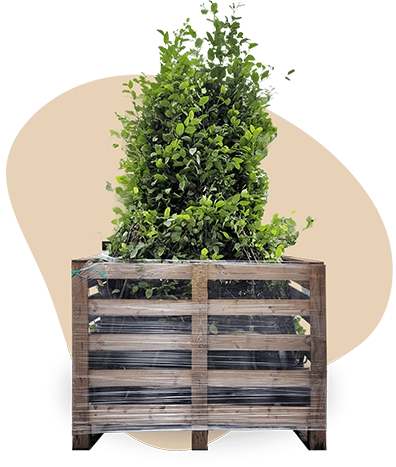
Deodar cedar shrub is the distinctive shrub form of Cedrus deodara 'Eisregen', a Deodar cedar also known locally as Himalayan cedar. ‘Eisregen’ is the cultivar name, and this product is supplied as a shrub rather than as a conventional upright cedar. It forms a bushy, spreading silhouette with gently overhanging growth, giving the plant a broad and decorative presence close to the planting area. The evergreen needles range from blue-green to green and provide interest throughout the year. Their decorative colour is especially useful where a garden needs lasting structure without relying on seasonal foliage. This cultivar also has a fragrant character and is considered low maintenance once planted in suitable conditions. The shrub form works well as a specimen plant, while its lower, broader outline also suits borders, rock gardens and containers. It prefers a position in full sun or partial shade, with protection from cold winds. In the mild but often wet UK climate, reliable soil drainage is important. This plant is not fruit-bearing. As a member of the cedrus genus, it offers a clear alternative to taller, more upright cedar forms.
Key features of the Deodar cedar shrub (Cedrus deodara 'Eisregen')
- Evergreen foliage: The plant carries evergreen needles in blue-green to green shades. This gives the shrub a decorative appearance in every season and adds colour without depending on flowering.
- Shrub form and habit: This shrub-form Deodar cedar develops a bushy, spreading and gently overhanging silhouette. Its lower, broader visual presence distinguishes it from more upright cedar forms and helps it create a strong shape close to the planting area.
- Position: Choose full sun or partial shade. A sheltered position is important because the plant is sensitive to cold winds, especially in exposed UK gardens.
- Soil: It grows best in humus-rich, slightly moist soil that is open and well drained. Good drainage is particularly important during wet UK winters, as waterlogged soil is not suitable for this plant.
- Garden character: The evergreen needle foliage and spreading outline make it a useful low-maintenance evergreen conifer. It fits naturally within collections of conifers and can provide a distinctive focal point in a suitable garden setting.
Uses of the Deodar cedar shrub in the garden
- Specimen planting: The bushy, spreading and gently overhanging habit gives this Deodar cedar shrub a broad specimen effect. It draws attention through shape and foliage rather than through a tall, upright form.
- Borders and rock gardens: Its lower visual presence works well in a border or rock garden, where the evergreen blue-green needles can add structure among other planting. The open outline also helps create variation in height and form.
- Containers: This shrub form is suitable for a container where a distinctive evergreen accent is wanted. Place it in a sunny or partially shaded position and use a setting where excess moisture can drain away reliably.
- Hardiness: The supplied hardiness information is approximately -17.8 to -12.2°C, USDA zone 7. In UK locations where cold winds are a concern, choose a sheltered position rather than an exposed site.
- Plant combinations: Combine it with plants that appreciate full sun or partial shade and well-drained soil. Evergreen structure plants, ornamental grasses, low perennials and rock-garden planting can provide suitable broad groups for combination.
The main ornamental value of this shrub-form cultivar is its blue-green evergreen needle foliage together with its broad, gently overhanging silhouette. It adds year-round structure and a distinctive specimen accent without the tall, upright appearance associated with other cedar forms. This Deodar cedar shrub is a distinctive choice for adding evergreen blue-green structure and a spreading specimen effect to a suitable UK garden position.