Description
Aristolochia macrophylla Stalk | Dutchman's pipe
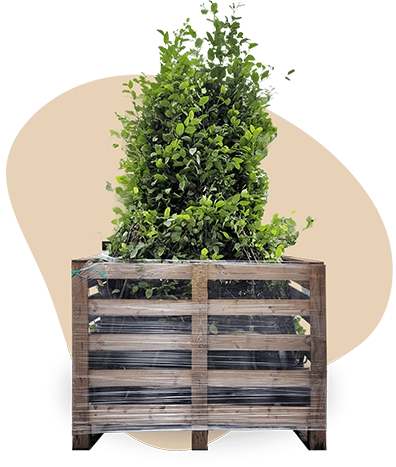
Dutchman's pipe on a cane is a structured form of Aristolochia macrophylla, supplied with an initial upright support for this vigorous climber. Also known as Dutchman's pipe or Pipevine, it develops a strong leafy presence as its shoots continue to grow upwards and outwards. The cane gives the young plant a neat, vertical presentation, but it does not replace a permanent sturdy support as the climber matures. Its foliage is deciduous, with large, broad, heart-shaped green leaves that create a dense decorative display during the growing season. Unusual pipe-shaped flowers appear in brown and yellow-green shades, although they can remain relatively inconspicuous among the large leaves. With suitable support, the plant can potentially reach around 10 metres in height. No reliable mature width is provided, so allow enough room for its vigorous climbing habit. It is suited to pergolas, walls and trelliswork, and can also be used beside suitable fences. Fruit may develop, and the plant is toxic if ingested. This is not a maintenance-free plant, as its vigorous growth needs room and secure support. As part of the Climbing plants range, this on-a-cane form offers an established starting structure for creating leafy vertical interest in a UK garden.
Key features of Dutchman's pipe (Aristolochia macrophylla)
- Flowers: The unusual pipe-shaped flowers are brown and yellow-green. They appear from May to July, but their relatively discreet appearance means that the large foliage remains the main feature.
- Foliage: The leaves are green, large and broad with a heart-shaped outline. Their decorative appearance gives the plant a strong leafy presence and helps create substantial visual coverage on a suitable support.
- Position and soil: Choose partial shade to shade, ideally in a sheltered position in exposed UK gardens. It prefers humus-rich, moist but well-drained soil. The soil should retain moisture without becoming waterlogged, so good drainage remains important.
- Growth and support: This is a vigorous climber. The plant is supplied on a cane, giving it an initial vertical framework, but it should be guided towards a strong pergola, wall support or trellis as it develops. Allow sufficient room for continued climbing growth and use a secure structure.
- Safety: The plant is toxic if ingested. Keep this in mind when choosing its position and when planning the surrounding garden.
Uses of Dutchman's pipe on a cane in the garden
- Pergolas and trelliswork: The on-a-cane presentation gives the young plant an upright appearance from the start. Its natural habit remains vigorously climbing, making it suitable for a substantial pergola or trellis that can support mature growth.
- Walls and fences: Use this Dutchman's pipe climber beside a wall or fence where there is suitable soil and enough root area. A permanent, sturdy support is needed as the plant grows, since the supplied cane is only an initial framework.
- Hardiness: It is hardy to approximately -23.3°C to -17.8°C and is listed as USDA zones 6 to 7. This indicates good winter hardiness for suitable UK garden conditions, although performance can still vary with the local microclimate and exposure.
- Plant combinations: Combine it with shade-tolerant climbers, ferns and other moisture-loving foliage plants where space and support allow. These combinations can complement its large green leaves without taking attention away from its upright climbing form.
- Ornamental value: Its main appeal lies in the structured display of large green leaves, vigorous vertical growth and unusual pipe-shaped flowers. It is useful where substantial leafy coverage and height are wanted in partial shade or shade.
Choose this Dutchman's pipe on a cane if you want a vigorous, large-leaved climber for a sheltered pergola, wall, fence or trellis in partial shade or shade.