Description
Chaenomeles superba 'Jet Trail' Standard | Flowering quince
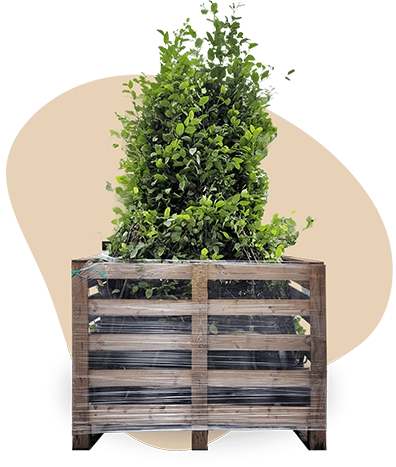
This standard flowering quince is Chaenomeles superba 'Jet Trail', known as flowering quince or Japanese quince. Supplied in a standard-trained form, it has a clear stem with the flowering growth held above it. This raised presentation gives the plant a defined focal point and separates the crown from lower planting. It keeps the upright, bushy character of the cultivar, but does not have the low profile of a shrub-grown specimen. The white flowers appear in early spring, with the main flowering period in March and April. Green leaves follow the flowers and remain part of the seasonal display before falling in autumn. At maturity, this standard flowering quince reaches approximately 150 cm in height. It is deciduous, fruits seasonally and has thorns, giving the branches a clear structural character. Its winter hardiness makes it suitable for many UK gardens, while the elevated shape also works well on a patio, in a container or as a focal plant in a border. As a flowering shrub, it offers a useful combination of spring colour, green summer foliage and a distinctive raised silhouette.
Key features of flowering quince (Chaenomeles superba 'Jet Trail') as a standard
- Rich white flowering is a key feature. The flowers open in March and April, bringing early spring interest before many later-season plants begin to flower.
- The foliage is green and deciduous. The leaves provide a simple summer backdrop to the raised flowering crown, then fall as part of the seasonal cycle.
- This standard-trained Japanese quince has an upright, bushy habit, with the flowering growth elevated above a clear stem. The result is a more vertical and structured silhouette than a shrub-grown specimen, with a mature height of approximately 150 cm.
- Plant it in full sun or partial shade. In exposed UK gardens, a sheltered position can be beneficial. It suits all soil types provided the soil is well drained and humus-rich, which is especially important during wet winter weather.
- The plant is fruiting and thorny. Its seasonal fruiting adds another stage to the ornamental display, while the thorns are a natural feature of the branches. It is not evergreen, and no claim is made here about the use of the fruit or plant parts.
- Its white flowers and raised form make it a natural choice among flowering shrubs. The plant data does not specify a wildlife value, precise soil pH, wind tolerance or suitability for paved areas.
Uses of a standard flowering quince in the garden
- Use this standard flowering quince as a border accent, specimen plant, container plant or part of a group planting. The clear stem lifts the flowering crown above surrounding plants and gives the planting a strong focal point.
- The raised form adds height and structure without presenting the same low outline as a shrub-grown plant. It can help keep lower planting visible beneath the crown, creating a clearer vertical layer in a border or container display.
- It combines well with lower perennials, grasses and other compatible border plants. Suitable planting around the stem can frame the elevated crown, while suitable container plants can support the same structured effect on a patio.
- The supplied hardiness range is -28.9°C to -17.8°C, with USDA hardiness zones 5–7 stated for the plant. These figures indicate a hardy plant, although local garden conditions and winter exposure can still vary.
- Its main ornamental value comes from the white early spring flowers, elevated standard silhouette, green summer foliage and seasonal fruiting. The deciduous habit means that the display changes through the year rather than remaining evergreen.
The standard-trained form provides height and structure in a relatively compact presentation. With its thorny branches and relatively short flowering period, it is a distinctive choice for adding early spring colour, height and structure to a UK garden or container display.