Description
Hedera helix 'Yellow Ripple' Stok | Ivy
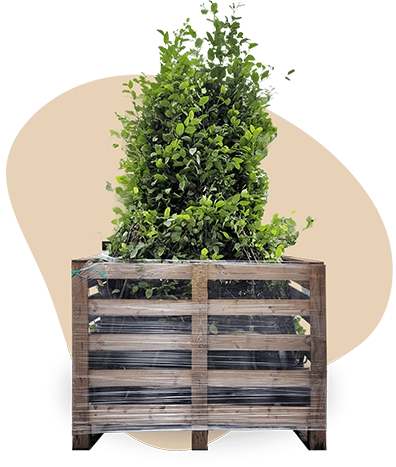
Standard-trained Yellow Ripple ivy brings the character of hedera to the garden in a raised and highly decorative form. Known botanically as Hedera helix 'Yellow Ripple', this Ivy is trained with a clear stem and a leafy top carried above it. This creates an elevated silhouette that looks very different from ordinary climbing ivy. The green-and-yellow variegated foliage is the main ornamental feature, adding colour contrast while remaining evergreen through the year. The name 'Yellow Ripple' refers to the attractive yellow variegation that brightens the foliage. Its compact presentation makes it well suited to a pot, patio display or structured planting area. Naturally, Ivy is a climbing and spreading plant, but this particular plant is presented with its foliage raised above the stem. It can reach an approximate mature height of 5 m, although the final size and appearance depend on support, position and cultivation. No reliable mature width is supplied. Flowering is secondary to the foliage and trained shape. The plant is generally low maintenance and can produce berries, which are toxic. This standard-trained form is a practical way to enjoy evergreen Ivy where a clear vertical accent is wanted, including UK gardens with mild, wet conditions.
Key features of Ivy (Hedera helix 'Yellow Ripple')
- Evergreen foliage: The leaves remain green throughout the year and show green, yellow and variegated colouring. Their evergreen character gives pots and garden displays lasting visual interest, while the yellow tones create a clear contrast with darker foliage.
- Flowering: Flowering is modest and is not the main ornamental feature of this plant. In September and October, inconspicuous greenish-yellow flowers may appear, with the foliage and elevated standard-trained form remaining the main focus.
- Position and soil: This Ivy tolerates sun, partial shade and shade, making it flexible for many UK garden settings. It tolerates all soil types when the soil is humus-rich, well drained and lightly moist. Good drainage and an open soil structure are important, especially in wet conditions.
- Growth and structure: Hedera is vigorous and capable of extensive growth. In this standard-trained form, a stem-supported leafy crown is carried above the ground, creating a clear vertical accent rather than showing only the plant’s natural climbing and spreading habit.
- Toxicity: The plant can produce berries, and these berries are toxic. The plant should not be eaten. Its garden value comes from the evergreen variegated foliage, trained structure and year-round ornamental presence.
Uses of standard-trained Yellow Ripple ivy in the garden
- Pots and containers: The raised foliage gives this standard-trained Yellow Ripple ivy a strong presence in a pot or decorative container. It works well on a patio, beside an entrance or as part of a structured container display, where the elevated leafy top can be seen clearly.
- Garden structure: The stem and raised crown add a compact vertical accent to a border or patio setting. The evergreen green-and-yellow foliage provides colour contrast and structure throughout the year, including during the quieter months in a UK garden.
- Climbing and wall-greening use: As a species, Ivy is an evergreen climber and can also be used for wall greening where suitable support is available. It may also be used as a ground-covering plant in general, but that is not the defining presentation of this trained product.
- Hardiness: The plant tolerates temperatures down to approximately -23.3°C to -17.8°C and is rated USDA zone 6. This indicates good hardiness, although identical performance cannot be promised in every exposed UK location, particularly where winter conditions are severe.
- Plant combinations: Combine the variegated foliage with plants that offer contrasting leaf colour, texture or seasonal interest. Evergreen shrubs, seasonal bedding plants and ornamental grasses can provide broad, visually logical companion groups around a pot, border or container display.
The main garden value of this standard-trained form is the combination of year-round variegated foliage and a raised leafy silhouette. It adds colour contrast, structure and a clear sense of height without losing the familiar character of Ivy. For gardeners looking for evergreen climbing plants, this form offers a more focused and decorative presentation for a UK pot, patio or structured planting display.