Description
Acer palmatum 'Dissectum Flavescens' Shrub | Japanese maple
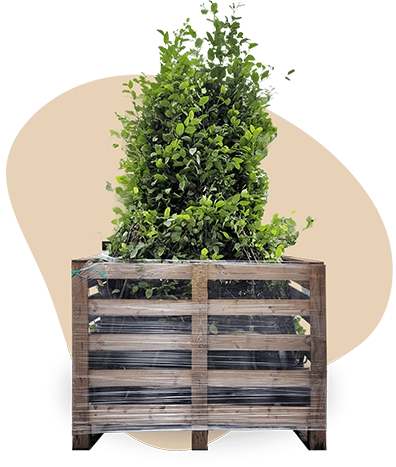
A Japanese maple shrub brings a low, ornamental presence to the garden, with Acer palmatum 'Dissectum Flavescens' supplied in shrub form. Also known as Japanese maple, this distinctive cultivar has deeply dissected, lace-like foliage in yellow and light green shades. As the seasons change, the leaves develop attractive orange tones before falling, as this is a deciduous plant. The compact, bushy and spreading habit is slightly overhanging, creating a layered silhouette rather than a tall or upright outline. It reaches an average mature height of approximately 150 cm, making it a defined feature for a patio, container or sheltered garden setting. The finely cut foliage remains the main ornamental feature, while cautious red to purplish-red flowers may appear in May and June as a secondary detail. This golden Japanese maple is generally low maintenance once established. It suits UK gardens particularly well when protected from harsh afternoon sun and strong winds, as the delicate foliage can dry out in exposed conditions. Its shrub form gives it a clear, low-growing garden presence, distinct from taller or differently trained forms of the same cultivar. As part of the acer range, it offers seasonal colour and a strong foliage focus in a manageable size.
Key features of Japanese maple (Acer palmatum 'Dissectum Flavescens')
- Distinctive foliage: The leaves are deeply dissected and lace-like, with yellow and light green colouring. Orange autumn colour adds a further seasonal feature before the deciduous foliage falls.
- Flowers and growth: Red to purplish-red flowers may appear in May and June, but flowering is a secondary ornamental feature. The shrub-form product grows in a compact, bushy, spreading and slightly overhanging way, reaching approximately 150 cm and creating a low, layered silhouette.
- Position and wind protection: Grow this Japanese maple shrub in sun or partial shade. A sheltered position is best, as it is sensitive to strong winds and benefits from protection from harsh afternoon sun, which can dry out the foliage.
- Soil requirements: It prefers humus-rich, well-drained and lightly moist soil. Acidic to neutral soil is preferred, and the ground should remain open and well drained, with consistent moisture but no waterlogging.
- Garden character: Its growth looks compact and moderate in garden scale, with the spreading branches giving the plant a soft, slightly overhanging outline. This makes it a strong foliage-led feature among container plants and in suitable sheltered planting areas.
Uses of the Japanese maple shrub in the garden
- Specimen planting: The compact, spreading silhouette works well as a specimen where a lower ornamental feature is preferred. Its slightly overhanging structure creates visual layers and keeps attention on the finely cut foliage.
- Pots and patios: This Japanese maple shrub is suitable for a container or patio setting. Its average mature height of approximately 150 cm gives it a clear presence without relying on a taller or standard form.
- Japanese-style planting: The golden-green leaves, lace-like shape and orange autumn colour suit a Japanese-style garden. The shrub form adds a low, spreading outline that can provide contrast with more upright planting.
- Hardiness: The supplied hardiness range is approximately -28.9°C to -6.7°C, corresponding to USDA zones 5 to 8. Local exposure still matters, especially in the UK, so a sheltered position remains important where strong winds or harsh afternoon sun may affect the foliage.
- Plant combinations: Combine it with plants that appreciate similar sheltered, humus-rich, lightly moist and well-drained conditions. Ferns, shade-tolerant perennials and other Japanese-style planting groups may provide a suitable surrounding context without competing with the dissected leaves.
The greatest garden value of this golden Japanese maple shrub comes from the combination of deeply cut golden-green foliage, a compact spreading form and attractive orange autumn colour. It is particularly suited to a sheltered UK garden, patio or container setting where its dissected foliage and seasonal colour can be appreciated.