Description
Acer palmatum 'Linearilobum' Shrub | Japanese maple
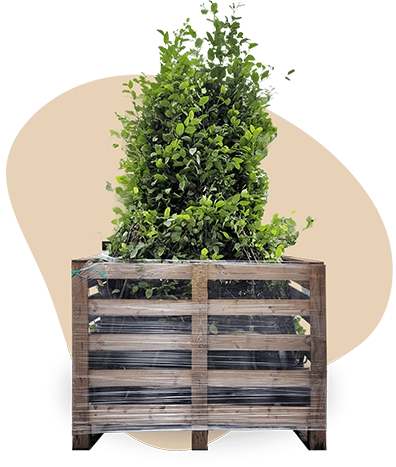
The Japanese maple shrub Acer palmatum 'Linearilobum' brings a refined, leafy presence to the garden in a naturally upright, bushy and spreading form. Unlike a trained tree form, this shrub develops a fuller, lower silhouette with a rounded or broadly spreading garden presence. It can reach an approximate mature height of 250 cm. The deeply divided, finely cut leaves are green during the growing season and change towards orange and red in autumn. This seasonal colour gives the deciduous shrub interest beyond summer. Small red flowers may appear in May, although flowering is modest and not the main ornamental feature. Winged fruits can also develop. As a Japanese maple shrub, it works well as an ornamental specimen in a sheltered UK garden, in a Japanese-style planting or as a container display. It is generally low-maintenance once established, but should not be allowed to dry out. Protection from harsh wind and drying conditions is important in exposed sites. As a member of Acer, this plant offers the finely cut foliage and seasonal change expected from a Japanese maple, while its shrub form creates a fuller garden presence.
Key features of Japanese maple (Acer palmatum 'Linearilobum')
- Foliage and autumn colour: The green leaves are deeply divided and finely cut. In autumn, they develop attractive orange and red tones, giving the shrub a clear seasonal change.
- Flowers: Small red flowers appear in May. Flowering is modest and is not the main ornamental feature of this Japanese maple shrub; the foliage and autumn colour provide most of its garden value.
- Position: Grow in partial shade or sun, preferably in a sheltered position. The plant is sensitive to strong wind and benefits from protection, especially in exposed UK gardens where drying conditions can occur.
- Soil: Use humus-rich, well-drained and lightly moist soil. An open, well-aerated growing medium is important. The soil should retain light moisture without becoming waterlogged and should be acidic to neutral.
- Growth and form: This is a Japanese maple shrub with a moderate growth habit and an upright, bushy and spreading structure. It creates a fuller low-to-medium-height silhouette than a trained tree form, making it a useful choice for container plants where suitable.
Uses of the Japanese maple shrub in the garden
- Specimen planting: The shrub makes an effective ornamental specimen in a sheltered position. Its full, spreading outline gives structure and focus without taking the spatial height of a tree form.
- Japanese-style gardens: The finely divided foliage and refined shape suit a Japanese-style planting. The orange-red autumn colour adds seasonal interest, while the bushy habit keeps the plant visually grounded.
- Borders, pots and small gardens: Use it in a border, in a container or as a focal plant in a small garden. The Japanese maple shrub provides a lower, fuller presence and does not rely on a tall canopy to create impact.
- Hardiness: It is approximately hardy from -28.9°C to -17.8°C and is listed for USDA zones 5 to 7. UK results can vary between gardens, so a sheltered position remains important, particularly during harsh or drying weather.
- Plant combinations: Combine it with plants suited to partial shade, acidic to neutral soil and a lightly moist but well-drained position. Shade-tolerant shrubs, woodland-style perennials, ferns and ornamental grasses can provide suitable planting categories around its foliage.
The greatest ornamental value comes from the combination of finely cut green leaves, vivid orange-red autumn colour and a full shrub silhouette. This Japanese maple shrub is especially suitable for gardeners seeking finely cut foliage, vivid autumn colour and a compact specimen for a sheltered UK garden or container.