Description
Acer palmatum 'Sumi-nagashi' Shrub | Japanese maple
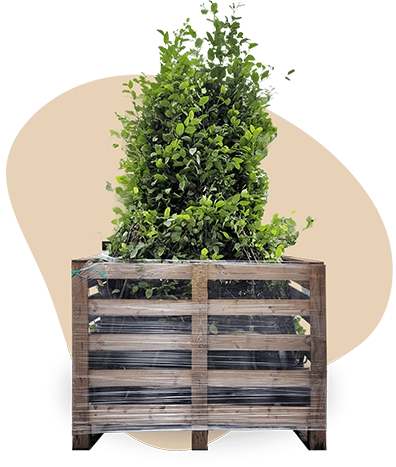
A Japanese maple shrub such as Acer palmatum 'Sumi-nagashi' brings a full, graceful presence to the garden without the raised crown of a tree. This plant is offered in shrub form, with an upright, bushy and spreading habit that creates a naturally rounded silhouette. It can reach an average mature height of approximately 4 m. The ornamental leaves are deeply dissected and show a changing range of red, green, orange and yellow through the seasons. Red spring colour gives the shrub early interest, while its attractive autumn colour extends its display later in the year. Small red-purple flowers appear in May, but these are a secondary feature compared with the decorative foliage. As a deciduous shrub, it loses its leaves in winter. A sheltered position suits this plant well, especially in a UK garden where strong wind and harsh afternoon sun can affect its appearance. It can be used as a specimen shrub, in a Japanese-style planting or as a container feature on a patio. This shrub form offers a grounded, full outline rather than a raised tree crown. For more plants from the same genus, explore Acer.
Key features of Japanese maple (Acer palmatum 'Sumi-nagashi')
- Deeply dissected foliage: The leaves are finely divided and highly decorative. Their colour changes through the seasons, moving between red, green, orange and yellow tones. This makes the foliage the main ornamental feature of the plant.
- Secondary flowering display: Red-purple flowers appear in May. They add a small seasonal detail, although the flowers are not the main reason to grow this Japanese maple shrub.
- Position and wind protection: Choose partial shade or sun, while protecting the plant from harsh afternoon sun where possible. It is sensitive to strong wind, so a sheltered position is important for UK gardens, patios and container settings.
- Soil requirements: Use humus-rich, well-drained and lightly moist soil. The soil should remain open enough to prevent waterlogging, while consistent moisture is important. Acidic to neutral soil is suitable, and the soil should not be allowed to dry out.
- Growth and shrub form: Acer palmatum 'Sumi-nagashi' grows upright, bushy and spreading. The shrub version develops a full, low-to-medium-level silhouette rather than a raised tree crown. It fits naturally within the group of shrubs suited to a sheltered position.
Uses of the Japanese maple shrub in the garden
- Specimen planting: Use this Japanese maple shrub as a focal point where its deeply dissected foliage can be viewed clearly. Its bushy outline gives a fuller, more grounded accent than a raised tree form. It works well in a Japanese-style garden or as a distinct feature in a suitable sheltered position.
- Patio and container use: The shrub form is suitable for a patio or container feature. Its upright, spreading growth creates a strong outline without relying on a tall trunk or raised crown. This makes it useful where a seasonal foliage display is wanted at a lower level.
- Hardiness: The supplied winter hardiness range is approximately -28.9°C to -17.8°C, corresponding to USDA zones 5 to 7. This indicates good cold tolerance, but exposed UK locations can still be challenging. Protection from strong wind remains important, as does a position away from harsh afternoon sun.
- Seasonal interest: Red spring foliage develops into changing green, orange and yellow tones, followed by attractive autumn colour. The deeply dissected leaves give the shrub texture and detail throughout its growing season. The red-purple flowers in May provide an additional, quieter point of interest.
- Plant combinations: Combine the shrub with plants that suit partial shade, humus-rich acidic to neutral soil and a sheltered setting. Shade-tolerant perennials, ferns or ornamental grasses may provide suitable companion groups where their soil and moisture needs match. Keep the soil well drained and consistently moist without waterlogging.
This Japanese maple shrub suits gardeners who want seasonal foliage colour and a distinctive specimen for a sheltered garden position, patio or container. Its full shrub silhouette gives the planting a graceful, grounded presence without the visual effect of a raised tree.