Description
Actinidia deliciosa Staked | Kiwifruit
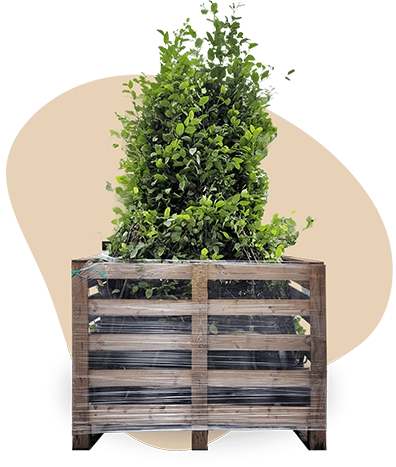
The standard-trained kiwi plant, Actinidia deliciosa gestokt, is a striking form of kiwifruit for a sunny, sheltered UK garden. Unlike an ordinary climbing kiwi plant, this product is supplied with an elevated, standard-trained structure. This gives it a clear and decorative silhouette, with the main framework raised above the ground. The new shoots still keep their natural climbing and twining habit, so they need suitable support such as a pergola or trellis. The plant is a vigorous climber and can reach up to approximately 5 metres when mature. Its foliage is green and deciduous, so the leaves fall in autumn. White flowers appear in May and June as a seasonal feature. Edible fruits may develop, but fruiting is not guaranteed. The standard-trained form is the key product feature: it combines the raised shape of a trained specimen with the natural character of a climber. In a suitable position, it can give height and structure while the shoots extend across their support. As a member of the actinidia genus, this kiwi plant offers both decorative growth and the possibility of seasonal fruiting. It is best considered for a sheltered position, with protection from severe frost and enough space for its vigorous growth.
Key features of kiwifruit (Actinidia deliciosa gestokt)
- Seasonal flowering: The plant produces white flowers in May and June. The flowering period is a seasonal feature that adds interest to the climbing framework without becoming the only focus of the plant.
- Green deciduous foliage: The leaves are green and deciduous. No specific leaf shape is supplied, but the foliage gives the climbing shoots a fresh appearance during the growing season before falling in autumn.
- Position: Choose sun or partial shade, preferably in a sheltered part of the garden. A sheltered position is important because this is a vigorous climber and severe frost can cause damage. A pergola, trellis or other suitable support is needed for continued growth.
- Soil: The soil should be fertile and humus-rich. It should retain light moisture while remaining well drained. Good drainage is important, as the soil should not become waterlogged. These conditions make it suitable for a carefully chosen place among climbing plants.
- Growth and form: This fast-growing plant is supplied in a standard-trained structure, creating a defined elevated framework. The new shoots remain climbing and twining, so they need support rather than being treated as a self-supporting shrub.
Uses of a standard-trained kiwi plant in the garden
- Pergola or trellis: A standard-trained kiwi plant can be used beside a pergola or trellis where adequate support and space are available. The raised framework adds height and definition, while the climbing shoots can provide seasonal coverage across the support.
- Fence, container or specimen: The plant can also be used near a suitable fence, in a container, or as a specimen plant. In each case, the support must be strong and appropriate for a vigorous climber. A sheltered patio setting can suit the elevated form where there is enough room for growth.
- Winter conditions: The plant is rated to approximately -12.2 to -6.7°C, USDA zone 8. UK winter conditions can vary, so protection from severe frost and a sheltered position are important. This is especially relevant in exposed gardens.
- Plant combinations: Combine it with compatible ornamental climbers or lower planting that does not compete too strongly for light, space or support. Structural shrubs, herbaceous border plants and other non-invasive climbers suited to sun or partial shade can work alongside it.
- Ornamental value: The elevated trained structure creates a clear framework above ground level. Green foliage, white flowers and vigorous climbing shoots then add seasonal interest. The result is a plant that brings the visual effect of a trained specimen together with the decorative character of a climber.
This standard-trained form is most suitable where a gardener wants a decorative climbing plant with a defined structure, provided a sheltered position and suitable support are available.