Description
Physocarpus opulifolius 'Lady in Red' half-standard 150 cm C12 | Ninebark
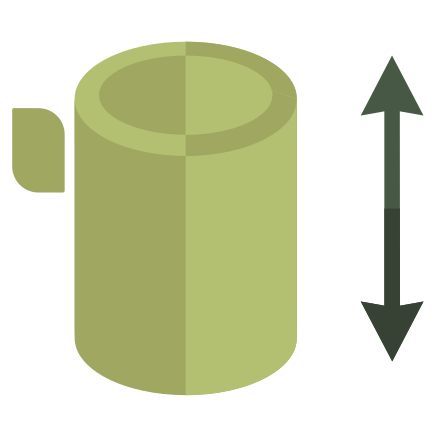
A half-standard ninebark gives Physocarpus opulifolius ‘Lady in Red’, also known as Ninebark, a distinctive raised form for the garden. The stem lifts the crown above ground level, creating a clear silhouette that differs from a shrub branching from the base. This red-leaved ninebark is an upright, bushy ornamental shrub with deciduous foliage in red, dark red and green tones. White to pale pink flowers appear in late spring to early summer, adding a light contrast to the deeper foliage. The plant reaches an approximate mature height of 2 metres. As the half-standard form has an elevated crown, it brings a more open and spacious presence to a UK garden, patio or border. It can also produce ornamental fruits, which add another seasonal detail without being the main feature of the plant. This form is relatively low-maintenance, although it should still be managed as part of normal shrub care. As a member of the physocarpus genus, it combines the familiar character of Ninebark with the extra structure of a raised stem. It is suited to gardeners looking for a red foliage shrub with a defined shape and a strong vertical accent, rather than a shrub that fills space from ground level.
Key features of ninebark (Physocarpus opulifolius 'Lady in Red') in half-standard form
- Seasonal flowers: White to pale pink flowers appear in May and June. They provide a soft contrast against the darker leaves and give the shrub ornamental interest in late spring and early summer.
- Red and green foliage: The deciduous leaves show red, dark red and green tones during the growing season. The foliage gives this red-leaved ninebark a strong visual role even when it is not in flower.
- Position and soil: Choose full sun or partial shade. The plant suits all soil types when the soil is well drained, humus-rich and slightly moist. Good drainage is especially useful in the UK’s often wet conditions, so avoid persistently waterlogged ground.
- Growth and half-standard shape: The shrub has an upright, bushy habit. A raised stem supports the elevated crown, creating a clear silhouette and a more open spatial effect than a shrub growing from ground level. This makes it a useful structural choice for a flowering shrub collection.
- Hardy deciduous shrub: The supplied winter hardiness is approximately -40°C to -17.8°C, corresponding to USDA zones 3–7. This range is a useful guide, but local conditions and the position of the plant can still affect performance.
Uses of half-standard ninebark in the garden
- Specimen planting: The half-standard ninebark works well as a specimen where its raised crown can be seen clearly. It creates a vertical focal point without taking up the same visual space as a shrub that branches from the ground.
- Border and group planting: Use it in a border or in group planting when you want repeated height, red foliage and a defined outline. The space beneath the elevated crown also helps maintain a more open view through the planting.
- Container and patio use: This form is suitable for a container or patio setting. Its raised stem gives a pot a clear ornamental structure and makes the foliage display easy to appreciate in a smaller garden space.
- Plant combinations: Combine it with lower border plants, perennials, ornamental grasses or compatible shrubs that prefer full sun to partial shade and well-drained soil. Lower planting can sit around the base while the crown remains the main feature.
- Seasonal garden value: Dark red foliage provides colour and contrast, while the white to pale pink flowers bring interest in May and June. The elevated crown adds vertical structure and leaves visible space beneath the canopy.
With hardiness supplied for USDA zones 3–7, this half-standard ninebark offers a practical option for a UK garden where good drainage and a suitable position can be provided. It combines red foliage and seasonal flowers with an elevated, space-defining garden presence.