Description
Juniperus pfitzeriana 'Mint Julep' Multistem | Pfitzer juniper
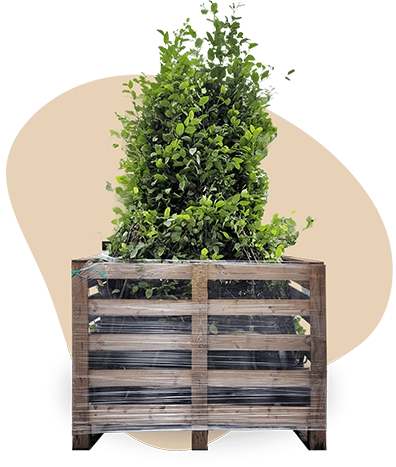
Mint Julep multi-tiered juniper brings the familiar character of Juniperus pfitzeriana ‘Mint Julep’ into a distinctive, layered garden form. Also known as Pfitzer juniper, this evergreen conifer has an upright and spreading habit, with several tiers creating a clear architectural silhouette. ‘Mint Julep’ is the cultivar name, while the plant is supplied in a multi-tiered form rather than as a standard untrained shrub. Its green evergreen foliage gives reliable structure throughout the year, while the aromatic character adds further interest. The layered arrangement creates visual rhythm from one level to the next and gives the plant a stronger garden presence. It can grow wide, so its spreading character should be considered when choosing its position. The multi-stemmed habit supports the tiered appearance and helps distinguish this form from a simple shrub shape. Flowering is not the main ornamental feature of this plant. It is fruit-bearing, but the berries are not a reason to use the plant for human consumption. As a low-maintenance conifer, it suits gardeners who want lasting green structure without a demanding planting approach. This plant belongs to the juniperus genus and works well as a structural evergreen in a UK garden with free-draining soil.
Key features of Pfitzer juniper (Juniperus pfitzeriana ‘Mint Julep’)
- Green evergreen foliage: The foliage stays green throughout the year and provides dependable garden structure. Its aromatic character adds interest when the plant is viewed or handled.
- Distinctive multi-tiered growth: The upright, spreading and multi-stemmed habit is arranged in visible layers. This gives the plant an architectural silhouette and a stronger visual rhythm than a standard, untrained Pfitzer juniper shrub.
- Light and aspect: Choose full sun or partial shade. A sheltered position is sensible in exposed UK gardens, although no specific wind-resistance rating is provided.
- Soil and drainage: The plant suits well-drained, dry to normal soil with neutral to alkaline conditions. Good drainage is essential, especially during wet British winters, and waterlogged ground should be avoided.
- Flowering and wildlife: Flowering is not a notable ornamental feature, and no flowering period or flower colour is specified. No specific wildlife value is provided for bees, butterflies or birds.
- Garden category: Its evergreen foliage, conifer character and low-maintenance habit make it a useful choice among evergreen shrubs, provided the soil remains freely draining.
Uses of Mint Julep multi-tiered juniper in the garden
- Specimen plant: The multi-tiered form is well suited to use as a specimen plant. Its layered outline draws attention to the plant’s vertical structure and gives an open space a clear architectural focus.
- Borders and group planting: Use it as a structural accent in a border or repeat it in group planting. The upright and spreading habit adds height, width and visual rhythm without relying on seasonal flowers.
- Container planting: This form can also be used as a multi-tiered juniper for a patio pot. Its evergreen foliage keeps the container display visually present throughout the year, while the tiered shape gives it a formal garden character.
- Hardiness: The plant is hardy to approximately -28.9°C to -23.3°C, corresponding to USDA zone 5. This makes it suitable for many UK gardens, when placed in a well-drained position.
- Plant combinations: Combine it with plants that prefer sun or partial shade and well-drained, relatively dry to normal soil. Suitable broad groups include other evergreen shrubs, ornamental grasses, perennials and drought-tolerant planting suited to these conditions.
- Year-round value: Green evergreen foliage, an aromatic character and the layered silhouette provide interest in every season. The form creates vertical structure and an architectural focal point without requiring a high-maintenance planting approach.
The tiered outline is especially useful where a garden needs more than the rounded shape of an ordinary shrub. It can give a border a stronger framework, add a clear focal point to a patio or bring repeated structure to group planting. The plant is particularly suitable for gardeners seeking year-round structure and a distinctive architectural accent in a well-drained position.