Description
Actinidia kolomikta 70 cm C2 | Hardy kiwi
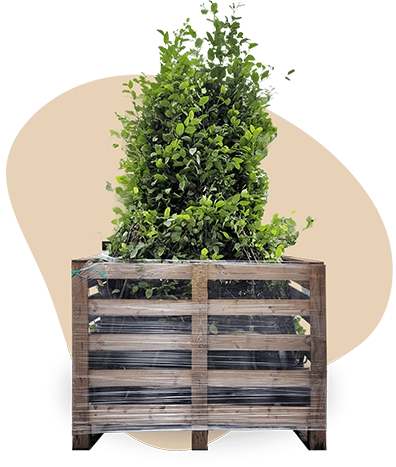
Staked hardy kiwi is Actinidia kolomikta gestokt, also known as hardy kiwi in the UK, supplied in a supported staked form. This climbing plant has a twining habit, while the support gives the young plant a neat and organised presentation. As it develops, it still needs a suitable climbing structure. In the right growing conditions and with suitable support, it can eventually reach approximately 8 metres. The deciduous leaves are green with decorative white and pink variegation. The colour display can vary in visibility through the growing season, adding interest to the plant’s vertical form. Fragrant white flowers provide a delicate display in late spring and early summer. The plant may also develop fruits as part of its botanical and ornamental character. This is not a generic description of every hardy kiwi form: the staked presentation is an important part of this product, shaping how it first appears in the garden. Regular pruning and support management are required as the climber grows. A sheltered position can help protect new growth from late frosts and strong exposure. It is a suitable choice for a UK garden where there is room for a vigorous climber and a secure support. Actinidia belongs to the actinidia genus.
Key features of hardy kiwi (Actinidia kolomikta)
- The flowering period is delicate but attractive. Fragrant white flowers appear in May and June, bringing a light ornamental detail to the climbing display in late spring and early summer.
- The deciduous foliage is green with white and pink variegation. The visibility of these colours may vary, so the plant offers a changing foliage effect rather than a fixed pattern.
- Choose full sun or partial shade. A sheltered position is useful in exposed UK gardens, as highly exposed sites can place extra pressure on the young growth and its climbing support.
- Use humus-rich, well-drained and lightly moist soil. Avoid waterlogged ground. Good air and water movement through the soil is important, while light moisture should remain consistent during active growth.
- This is a vigorous climbing plant that can eventually reach approximately 8 metres when given suitable support. The staked form gives the young plant an organised climbing presentation, but its natural habit remains twining. A trellis, pergola or comparable structure is needed as it grows. It fits naturally within climbing plants for gardens with suitable vertical space.
Uses of a staked hardy kiwi in the garden
- Use the plant on a pergola, trellis or against a suitable wall support. Container use is also possible when adequate climbing support is provided. The staked form gives the young climber a clear starting shape for a vertical garden feature.
- The plant has a hardiness range of approximately -28.9°C to -23.3°C, corresponding to USDA zone 4. This supports its use as a winter-hardy kiwi plant, although late frosts can still affect young growth in individual UK gardens.
- Combine it with compatible ornamental climbers, structural garden planting or container planting. Leave sufficient space for its vigorous twining growth, and make sure surrounding plants do not restrict the climbing structure as the plant develops.
- Its main ornamental value comes from the green foliage with white and pink variegation, fragrant white flowers and the organised presentation created by the support. These features give height, seasonal interest and a clear climbing image.
- This staked kiwi berry plant is useful for gardeners who want the character of a hardy kiwi in a supported form. It can help define a pergola, trellis, wall or large container area without presenting the plant as a self-supporting climber.
A staked hardy kiwi is most suitable where a decorative, supported climber is wanted and regular pruning together with a secure climbing structure can be provided.