
Currently unable to ship orders to the United Kingdom

Updated on 10 September 2025

We regret to inform you that we are currently unable to ship orders to the United Kingdom. We anticipate being able to resume shipments at the beginning of 2026.

Wisteria sinensis

Chinese wisteria
Temporarily sold out

Size: Total height including pot
  • Temporarily sold out
Helpdesk
Benefits according to our specialist
  • Fast grower
  • Beautiful flower clusters
  • Perfect climber for against wall or pergola

Description Wisteria sinensis | Chinese wisteria

The enchanting Wisteria sinensis, commonly known as Chinese Wisteria or Purple Wisteria, is a beloved ornamental plant native to China. With its cascading clusters of lilac flowers that bloom in the late spring, this species offers a breathtaking display that captivates all who behold it.

Key Features of Wisteria sinensis

The key characteristics that make Wisteria a standout in any garden include:

  • Its stunning, fragrant blooms that appear in shades of Purple Wisteria, creating a picturesque scene against the greenery of its foliage.
  • Exceptional winter hardiness, allowing it to withstand temperatures as low as -20.5°C (USDA zone 6b), ensuring its survival and bloom year after year.
  • A robust growth habit, with the plant capable of being trained along structures or allowed to grow as a solitary statement piece.

Tips for Cultivating Wisteria sinensis

  • To encourage healthy growth and optimal flowering, position your Wisteria sinensis in a location that receives full sun.
  • Water the plant regularly, particularly during the growing season, to maintain evenly moist soil.
  • Prune your Wisteria twice a year—once in the late winter to prepare for spring growth, and again in the summer to shape the plant and control its size.
  • While Wisteria sinensis is adaptable to a variety of soil types, it is essential to provide well-drained soil to prevent root issues.
  • For those interested in propagation, Wisteria sinensis can be multiplied through several methods including layering, softwood cuttings, hardwood cuttings, and grafting, each offering a unique approach to cultivating new plants.

With these guidelines, your Wisteria sinensis will continue to flourish and bring its unique charm to your garden for many seasons to come.

Planting & care Wisteria sinensis (Chinese wisteria)

We would like to provide some tips on how to plant and care for a Standing trees. By following these tips, you can be sure to enjoy your Standing trees for a long time.

Ideal placement of a Wisteria sinensis (Chinese wisteria)

For optimal growth, Wisteria sinensis should be positioned in full sun to ensure a plentiful display of its purple-blue blossoms in the spring and early summer. This plant requires a location that offers well-drained soil, regardless of the soil type, to prevent root rot and other moisture-related issues. It is essential to consider the structure to which this climbing plant will attach, ensuring it is sturdy enough to support the vigorous growth and weight of the mature plant. Adequate sun exposure encourages the best flowering potential and overall plant vigor.

How do I plant a Wisteria sinensis (Chinese wisteria)?

For successful establishment, Wisteria sinensis should be planted in a well-drained soil of any type, although it thrives best in fertile, moist, but well-drained soil. Ensure the location is in full sun to promote the best flowering potential. When planting, remove the specimen from its pot and position it in a hole that is twice as wide as the pot. The root collar should be level with the soil surface. Backfill with the excavated earth, firming gently to eliminate air pockets. Water the plant thoroughly after planting and continue to provide water at regular intervals, especially during dry spells, to encourage deep root formation.

Pruning a Wisteria sinensis (Chinese wisteria)

Pruning is essential for Wisteria sinensis, encouraging the growth of flowering spurs. This species benefits from being pruned twice a year; once in the summer, after flowers have faded, and again in midwinter. Summer pruning involves cutting back the new shoots to five or six leaves after flowering. This controls the size of the vine and prevents it from becoming too woody. Winter pruning is more about maintenance, where you should cut back the same shoots to two or three buds. Proper pruning ensures a stunning floral display each spring.

Watering a Wisteria sinensis (Chinese wisteria)

For optimal growth and flower production, Wisteria sinensis requires watering at regular intervals, particularly in the absence of sufficient rainfall. During the growing season, ensure the soil remains moist but not waterlogged to support its vigorous growth habit. In periods of dry weather, increase the frequency of watering to prevent stress on the plant, which could impact its stunning floral display. However, as the species is not drought-tolerant, monitoring soil moisture levels becomes even more crucial. Water less frequently as the plant enters dormancy in the colder months, but do not allow the soil to dry out completely.

Fertilising a Wisteria sinensis (Chinese wisteria)

For the flourishing display of Wisteria sinensis's captivating purple blooms, adequate fertilization is crucial. Fertilize this species in the early spring with a balanced, slow-release fertilizer to support vigorous growth and abundant flowering. As the plant prefers a well-drained soil, ensure that the fertilizer is applied to moist soil to aid in the absorption of nutrients.

Additionally, a mid-summer application of a low-nitrogen, high-potash fertilizer can encourage the formation of flower buds for the following season. Avoid over-fertilizing, as this can lead to excessive foliage growth at the expense of flowers. By adhering to these fertilization guidelines, gardeners will be rewarded with the species' stunning floral display and robust growth year after year.

The characteristics of a Wisteria sinensis (Chinese wisteria)

Cultivated in a pot, the Wisteria sinensis allows for versatility in placement, offering the enchantment of its cascading blossoms to balconies and patios as well as gardens. The plant's twining growth habit makes it perfect for adorning trellises and pergolas, creating a breathtaking natural canopy. Notably, its ability to be pruned means that even those with limited space can enjoy the full splendor of its flowering vines with the right care and attention.

Wisteria sinensis

Frequently Asked Questions Wisteria sinensis (Chinese wisteria)

Which soil type is most suitable for the Wisteria sinensis?

Wisteria sinensis can adapt to a wide range of soil types as long as the soil is well-drained. This allows for proper water regulation and a healthy growing environment for the plant.

What is the ideal positioning for the Wisteria sinensis?

The ideal location for Wisteria sinensis is an area that receives ample sunlight. This plant thrives best in a sunny environment, where it can receive direct sunlight for optimal growth and flowering.

What is the flowering colour of the Wisteria sinensis?

The blossoms of Wisteria sinensis display a delightful purple-blue hue, creating an enchanting visual display during the flowering season.

Is the Wisteria sinensis hardy?

Indeed, Wisteria sinensis exhibits winter hardiness, as it can endure temperatures as low as -17.8°C to -20.5°C, placing it within USDA hardiness zone 6b. This signifies that Wisteria sinensis is well-equipped to thrive during the winter season, withstanding the cold conditions typical of this hardiness zone.

Is the Wisteria sinensis evergreen?

Wisteria sinensis is not evergreen; it is a deciduous plant. This means that it sheds its leaves during the autumn season and regrows them in the spring.

What is the growth strength of the Wisteria sinensis?

Wisteria sinensis typically takes 10 to 20 years to reach its full height, indicating a gradual and steady growth pattern over a significant period of time.

Is Wisteria sinensis poisonous?

Attention: This plant may contain toxic substances. Ingestion or contact with its sap may pose health risks, especially for children and pets such as cats and dogs. We recommend keeping the plant out of reach of children and animals and wearing gloves when repotting or pruning. In case of exposure, contact a doctor or veterinarian if necessary. This information is intended as a general safety warning.

Packaged with love, for you! Our plant packaging

At Heijnen Plants, we value strong packaging just as much as strong plants. That’s why we use sustainable, water-resistant packaging made from rPET plastic: a lightweight, fully recyclable material that has already had a second life. These packages protect the plants during transport from damage and dehydration.

Learn more
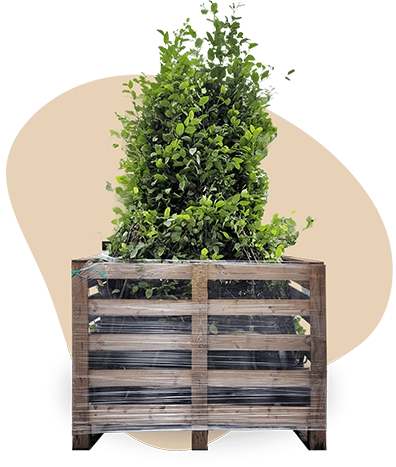
Pallet
Hedge plants, trees, large plants and grass

If you have ordered large-sized plants or trees, we deliver them on sealed pallets and place them around your house or driveway. The pallets are sturdy and provide optimal protection for large-sized plants.
Verpakkingen
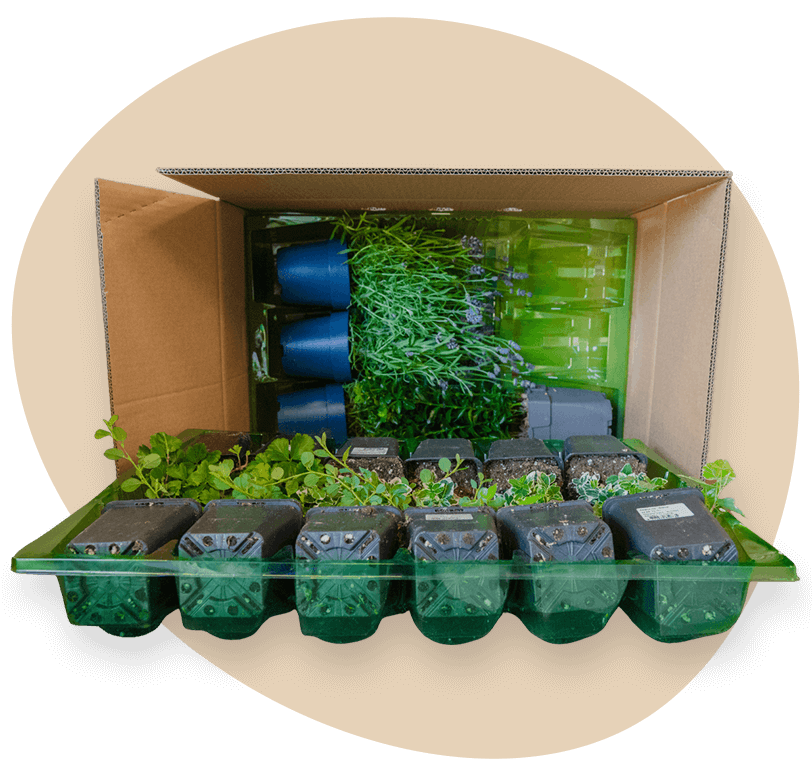
Small to medium-sized plants

We deliver small or medium-sized plants in boxes. The size of the box depends on the size of the plant. We always make sure that the plant has enough space but still stands firmly in the box, so it cannot be damaged during transport.

The ideal variety for you

Buy Wisteria sinensis

Discover the enchanting beauty of Wisteria sinensis, a climber renowned for its cascading purple flowers that add a touch of elegance to any space. This vigorous plant graces arbors and walls with its lush foliage, transforming your garden into a picturesque sanctuary.

Personal advice from
our specialists?
We are happy to help you!
Helpdesk