Description
Hydrangea anomala subsp. petiolaris feathered 175-200 cm C10 | Climbing hydrangea
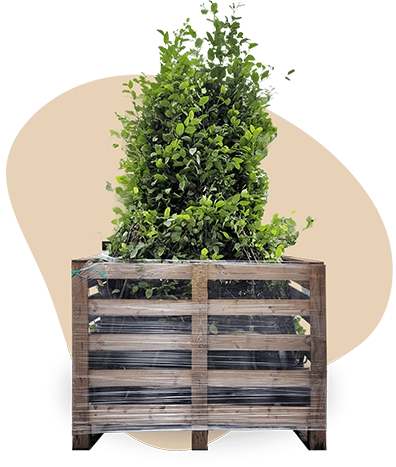
Feathered climbing hydrangea is a structured form of Climbing hydrangea, supplied as Hydrangea anomala subsp. Petiolaris. In the UK, it is also known as Japanese hydrangea vine. The word ‘feathered’ describes the supplied product form, rather than a separate cultivar. Its layered, spreading silhouette gives this climbing plant a more structured appearance from the start, while it retains the natural character of a self-clinging climber. Green foliage forms a calm background for the white flowers that appear in summer. This is a deciduous plant, so it is not evergreen. Given suitable support and time to develop, it can reach an eventual climbing height of approximately 15 metres. No reliable mature width is supplied, but its growth is both climbing and spreading. The plant is well suited to shaded walls, fences and other sturdy garden structures. It is relatively low maintenance, although it still needs suitable support and occasional management as it develops. As part of the hydrangea genus, it brings the familiar ornamental value of a climbing hydrangea together with the added visual structure of the feathered form.
Key features of Climbing hydrangea (Hydrangea anomala subsp. Petiolaris)
- Flowering is a notable ornamental feature. The plant produces white flowers in June and July, creating a clear summer display against the green foliage.
- The foliage is green and deciduous. It provides seasonal coverage and supports the layered look of the supplied feathered form, without being described as evergreen.
- Choose a partial shade to shade aspect in a UK garden. A sheltered position is preferable, with a sturdy climbing framework rather than unsupported freestanding growth.
- Plant it in humus-rich, well-drained and lightly moist soil with an acidic to neutral pH. The soil should remain open and airy, with good drainage, while avoiding waterlogged conditions. Initial growth is slow, followed by climbing and spreading growth. This makes it a suitable choice for shade climbing plants.
Uses of feathered climbing hydrangea in the garden
- Use the feathered climbing hydrangea on sturdy walls, fences, pergolas or other suitable climbing supports. Its self-clinging growth helps it establish a vertical presence, but the framework must be strong enough for a plant with an eventual climbing height of approximately 15 metres.
- The feathered form adds a layered and spreading visual effect to garden structures. This gives shaded walls and fences more depth, while the green foliage helps soften hard lines and create a more natural appearance.
- It is generally hardy to approximately -28.9°C to -23.3°C, corresponding to USDA zone 5. This is general hardiness information and should not be treated as a guarantee for every UK microclimate, especially in exposed locations.
- Combine it with shade-tolerant ornamental plants where space allows. Shade-tolerant perennials, ferns or other non-competing structural plants can help create a balanced planting scheme without taking attention away from the climbing form.
The main ornamental value comes from the white June-to-July flowers, green deciduous foliage and the structured silhouette created by the feathered form. In a shaded UK garden, it adds vertical interest and helps green or soften sturdy walls, fences, pergolas and façades while remaining relatively low maintenance.