Description
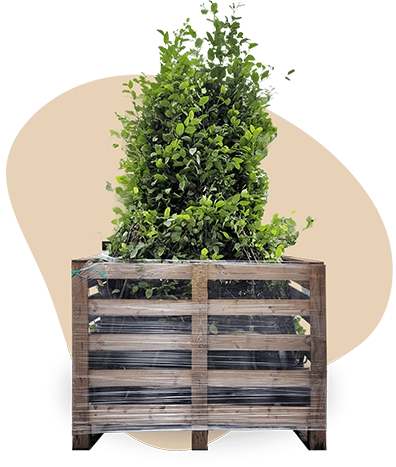
Hydrangea anomala subsp. petiolaris Solitary 150-175 cm C60 | Climbing hydrangea
This solitary climbing hydrangea is a distinctive garden feature for a wall, fence, pergola or another suitable vertical structure. Known as climbing hydrangea, it is supplied in a solitary form rather than as a separate cultivar. This product presentation gives one plant a clear individual role while retaining the climbing and spreading habit of Hydrangea anomala subsp. Petiolaris. With suitable support and enough growing space, it can reach approximately 10 metres at maturity. Its green foliage is deciduous, so the plant changes with the seasons instead of remaining evergreen. White summer flowers provide a clear seasonal display, followed by decorative autumn colour. The self-clinging habit allows the plant to develop across a vertical surface without being presented as a shrub or tree form. It is tolerant of shade and suits the softer light often found beside walls, fences and other garden structures. The plant is also winter hardy for UK gardens. As a large climbing plant, it needs substantial room to spread and a suitable surface on which to grow. There is no reliable mature width supplied, so the available space should be judged by the height and spreading habit of the plant. As part of the hydrangea genus, it offers a strong vertical presence with seasonal foliage and flowering interest.
Key features of a climbing hydrangea in solitary form (Hydrangea anomala subsp. Petiolaris)
- Seasonal flowering: The white flowers appear in June and July and form a prominent summer feature. They stand out clearly against the green deciduous foliage.
- Foliage and seasonal change: The leaves are green during the growing season and are deciduous. Decorative autumn colour adds interest later in the year, while the plant does not remain evergreen.
- Aspect and soil: Choose partial shade to shade for this climbing hydrangea. It prefers humus-rich, well-drained and lightly moist soil with an acidic to neutral pH. The soil should retain some moisture without becoming waterlogged, so good drainage and an open soil structure are important.
- Growth and form: The solitary form gives one plant a clear vertical presence. It climbs and spreads by self-clinging growth, so allow substantial space for its development. It is suitable for gardens where a large climbing plant is required rather than a shrub or tree.
- Garden category: This plant fits naturally within climbing plants, including plants selected for shade and self-attaching growth. A suitable vertical surface or structure remains important for its long-term garden role.
Uses of a solitary climbing hydrangea in the garden
- Individual vertical feature: Use the solitary climbing hydrangea as one focused planting on a wall, fence or pergola. The solitary form gives the plant a clear visual role and allows its climbing, spreading habit to shape a vertical space. Provide enough room for its mature growth.
- Shade planting: This is a useful choice for partial shade or shade, where white summer flowers can brighten a vertical area. Its green foliage supports the display through the growing season, followed by decorative autumn colour.
- Winter hardiness: It is hardy to approximately -28.9°C to -23.3°C, corresponding to USDA zone 5. This makes it a practical hardy climbing plant for UK gardens, while a suitable support and enough growing space remain essential.
- Plant combinations: Combine it with shade-tolerant plants that prefer humus-rich, well-drained and lightly moist soil. Suitable broad groups include shade plants, woodland-style perennials and other moisture-tolerant garden plants.
- Ornamental value: Its main appeal is the combination of a strong solitary vertical presence, white flowers in June and July, green deciduous foliage and decorative autumn colour. The self-clinging habit adds structure to walls, fences and pergolas without changing the plant into a hedge or evergreen screen.
This solitary climbing hydrangea is especially suitable for gardeners seeking a hardy, shade-tolerant vertical feature with seasonal interest, provided it has sufficient growing space and a suitable support.