
Currently unable to ship orders to the United Kingdom

Updated on 10 September 2025

We regret to inform you that we are currently unable to ship orders to the United Kingdom. We anticipate being able to resume shipments at the beginning of 2026.

Olea europaea

Common olive
Temporarily sold out

Size: Total height including pot
  • Temporarily sold out
Helpdesk
Benefits according to our specialist
  • Mediterranean charm
  • Very drought-tolerant
  • Can live for a very long time
  • Produces edible fruits (olives)

Description Olea europaea | Common olive

The Olea europaea, more commonly known as the common olive, is a symbol of peace and vitality that has graced gardens and landscapes since ancient times. Revered for its silvery foliage and the fruit it bears, this evergreen mini stem tree is a testament to both beauty and resilience. Admired for its adaptability, the cultivated olive thrives under the warm sun in well-drained soils, bringing a touch of the Mediterranean to any garden.

Key Features

  • The Olea is an evergreen, retaining its green, grey, and silver foliage throughout all seasons, which adds a constant splash of color to any landscape.
  • This species is known for its ability to bear fruit, with the possibility of producing olives when the proper conditions are met.
  • The cultivated olive is winter hardy to USDA zone 8b, withstanding temperatures as low as -6.7°C / -9.4°C.
  • While it has moderate water requirements, the olive tree is not drought-resistant, making regular watering essential for maintaining its health and vigor.
  • Its delicate flowers, blooming in hues of white and yellow from April to June, offer a subtle yet captivating display.

Tips

  • To encourage a robust growth, position your olive tree in an area that receives full sun to partial shade. The more sunlight it receives, the greater the chance of fruit production.
  • While pruning is not frequently necessary, performing light pruning once a year can help maintain the shape of your olive tree and stimulate healthy growth.
  • When planting, ensure that the soil is well-draining to prevent root rot, as the olive tree does not tolerate standing water.
  • If you reside in a region with harsher winters, consider providing winter protection or planting in a container that can be moved to a sheltered location during extreme cold.

Olea europaea

Planting & care Olea europaea (Common olive)

We would like to provide some tips on how to plant and care for a Standing trees. By following these tips, you can be sure to enjoy your Standing trees for a long time.

Ideal placement of a Olea europaea (Common olive)

For optimal growth, Olea europaea thrives in a sunny position, which encourages a fruitful yield and robust health. While it can tolerate partial shade, full sunlight exposure is imperative for the development of its characteristic silver-green foliage and to ensure successful fruit-bearing. This species is well-suited to a variety of {R. well-drained} soil types and is quite adaptable in this regard. It is vital, however, to ensure the location allows for adequate drainage to prevent waterlogging. In terms of winter hardiness, Olea europaea can withstand temperatures as low as -6.7°C, suitable for USDA zone 8b environments.

How do I plant a Olea europaea (Common olive)?

For successful cultivation, Olea europaea requires a well-drained soil, thriving in a variety of types, and benefits from being placed in a location that receives full sun or partial shade. This plant's adaptability makes it an excellent choice for creating a Mediterranean ambiance as a solitary specimen. When planting, ensure the root ball is placed in a hole that is wide and deep enough to accommodate its size, and backfill with native soil or a well-draining potting mix. Water moderately after planting and establish a regular watering schedule to help the plant settle and encourage robust growth.

Pruning a Olea europaea (Common olive)

Olea europaea is low-maintenance when it comes to pruning, requiring attention only once a year to maintain its shape and health. For optimal results, prune in late spring or early summer, after the risk of frost has passed but before the peak heat. Remove any dead or damaged branches to promote vigorous growth and airflow. Trimming back excessive growth will also encourage the development of a strong, well-structured mini stem. It's crucial to avoid heavy pruning as this species thrives with a more natural form.

Watering a Olea europaea (Common olive)

The Olea europaea requires moderate watering to maintain its health and vigor, particularly during the growing season from spring to summer. While it is capable of withstanding dry conditions to some extent, consistent moisture is key to support the development of its fruit. It is important to ensure that the soil is well-drained to prevent waterlogging, which this species does not tolerate well. During winter, reduce watering as the plant enters a more dormant phase, but monitor to prevent the soil from becoming completely dry, especially in the presence of winter sun which can deplete moisture levels.

Fertilising a Olea europaea (Common olive)

To ensure the robust growth and fruiting potential of the Olea europaea, appropriate fertilization is key. Commence feeding in early spring and continue monthly until the end of summer, aligning with the active growth phase. Utilize a balanced, slow-release fertilizer formulated for fruit-bearing trees, which will provide a steady supply of essential nutrients. This will support the development of strong foliage and aid in the production of quality olives.

The measured application of fertilizer is crucial, as over-fertilization can be just as detrimental as a lack. Always follow the recommended dosage on the fertilizer packaging to avoid nutrient burn. Moreover, in regions where winter temperatures approach the plant's hardiness limits, cease fertilization by late summer to prevent new growth that may be vulnerable to frost damage.

The characteristics of a Olea europaea (Common olive)

For enthusiasts of Mediterranean flora, the Olea europaea, when potted, brings a touch of this idyllic region into any space. Its resilience and adaptability make it a splendid choice for container gardening. One delightful aspect often overlooked is the silvery underside of its leaves, which can shimmer beautifully in the sunlight. Additionally, the plant's gnarled trunk becomes increasingly charismatic with age, adding a sculptural element to patios and balconies. Regular pruning encourages a fuller, more robust shape.

Olea europaea

Frequently Asked Questions Olea europaea (Common olive)

Which soil type is most suitable for the Olea europaea?

Olea europaea can thrive in various soil types as long as they are well-drained. Ensuring proper drainage is important for the successful cultivation of this plant.

What is the ideal positioning for the Olea europaea?

The optimal location for Olea europaea is one that offers either partial shade or direct exposure to sunlight. This plant can thrive equally well in both conditions, making it adaptable to various light environments.

What is the flowering colour of the Olea europaea?

The flowers of Olea europaea display a delicate palette of white and yellow, adding a touch of elegance to the plant's appearance during the flowering season.

Is the Olea europaea hardy?

Yes, Olea europaea is considered to be winter hardy. It can withstand temperatures ranging from -6.7°C to -9.4°C, placing it within the USDA hardiness zone 8b. This indicates that Olea europaea is well-equipped to endure the winter conditions within the specified temperature range.

Is the Olea europaea evergreen?

Olea europaea is indeed an evergreen plant. Its foliage remains green throughout the year, making it an excellent choice for maintaining a lush and vibrant appearance in your garden or landscape.

What is the growth strength of the Olea europaea?

Olea europaea, commonly known as the olive tree, exhibits a slow and steady growth, typically taking between 20 and 50 years to reach its ultimate height. This indicates that the development of Olea europaea is a gradual process, resulting in a mature and majestic tree over an extended period of time.

Is Olea europaea poisonous?

Attention: This plant may contain toxic substances. Ingestion or contact with its sap may pose health risks, especially for children and pets such as cats and dogs. We recommend keeping the plant out of reach of children and animals and wearing gloves when repotting or pruning. In case of exposure, contact a doctor or veterinarian if necessary. This information is intended as a general safety warning.

Packaged with love, for you! Our plant packaging

At Heijnen Plants, we value strong packaging just as much as strong plants. That’s why we use sustainable, water-resistant packaging made from rPET plastic: a lightweight, fully recyclable material that has already had a second life. These packages protect the plants during transport from damage and dehydration.

Learn more
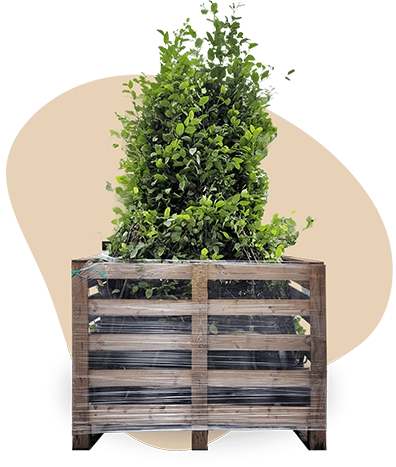
Pallet
Hedge plants, trees, large plants and grass

If you have ordered large-sized plants or trees, we deliver them on sealed pallets and place them around your house or driveway. The pallets are sturdy and provide optimal protection for large-sized plants.
Verpakkingen
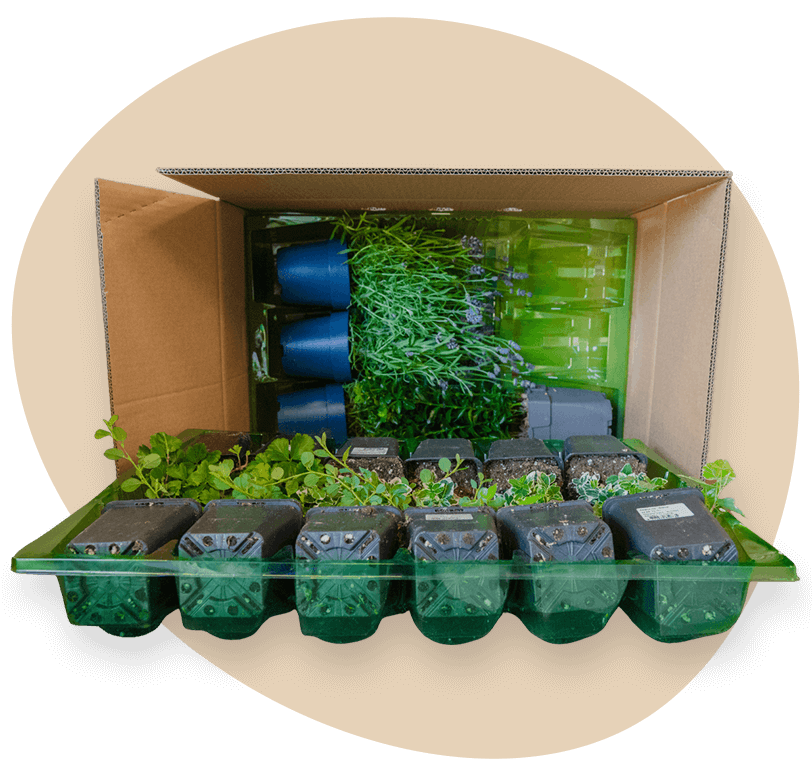
Small to medium-sized plants

We deliver small or medium-sized plants in boxes. The size of the box depends on the size of the plant. We always make sure that the plant has enough space but still stands firmly in the box, so it cannot be damaged during transport.

The ideal variety for you

Buy Olea europaea

Olea europaea, with its silvery-green foliage and gnarled trunk, exudes a Mediterranean charm that is unmatched. Perfect for enhancing your garden with a touch of elegance, this timeless tree is not only visually stunning but also symbolizes peace and longevity.

Personal advice from
our specialists?
We are happy to help you!
Helpdesk