Description
Olea europaea | Common olive
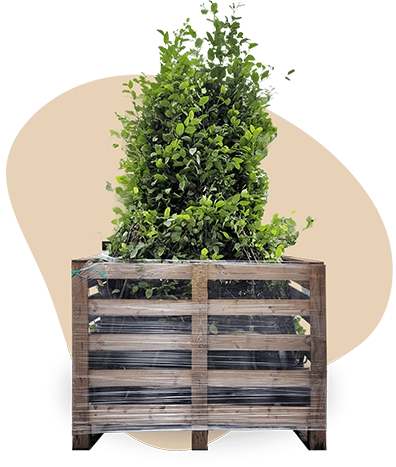
The Olea europaea, commonly known as the common olive or cultivated olive, is an emblematic tree of the Mediterranean, revered for its beauty, longevity, and culinary bounty. This noble species, with its elegant stature and evergreen foliage, offers a touch of timeless grace to any landscape.
The olive tree's distinctive silvery-green leaves and gnarled trunk are instantly recognizable, symbolizing peace and prosperity through the ages. As a solitary specimen, Olea europaea commands attention, making it a magnificent focal point in gardens and patios.
Key Features
The Olea is treasured for its versatile nature and array of ornamental qualities:
- The common olive is a symbol of resilience, capable of thriving in a variety of well-drained soils and tolerating the full sun to partial shade.
- Its evergreen leaves, with their unique green, grey, and silver hues, remain lustrous across all seasons, adding a constant visual appeal to your garden.
- The cultivated olive is known for its modest water requirements, making it a sustainable choice for regions with moderate climates.
- While olive trees are not drought-resistant, they exhibit a sturdy disposition, requiring minimal watering once established.
- With a winter hardiness of USDA zone 8b, the olive tree withstands temperatures as low as -9.4°C (15°F), suitable for many temperate regions.
- The olive tree is not only an ornamental treasure but also fruit-bearing, with the potential to produce olives given the correct conditions and care.
Tips
- To ensure healthy growth, plant your olive tree in a sheltered location that receives ample sunlight. This will encourage better flowering and, potentially, fruit production.
- Moderate pruning once a year can help maintain the desired shape of your olive tree and promote more substantial growth. However, excessive pruning is not necessary, as the olive tree naturally maintains a pleasing form.
- Propagation of Olea europaea can be achieved through sowing seeds or taking semi-ripe cuttings. If you choose to propagate, do so with precision and patience to allow new trees to flourish.
- In regions where temperatures may approach the lower end of the olive tree's hardiness range, provide some winter protection to ensure its survival through the colder months.
- While the olive tree is not drought-resistant, overwatering can be detrimental. It is essential to strike a balance, ensuring the soil is well-drained to prevent root rot.