Description
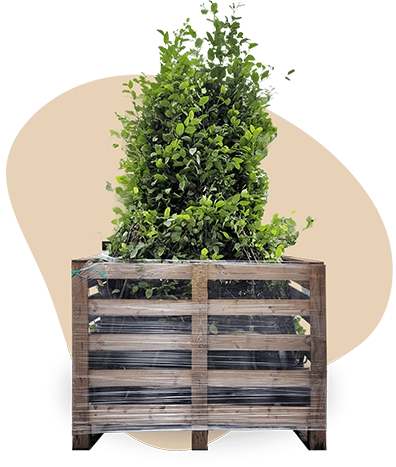
Abies lasiocarpa 'Compacta' shrub 60-70 cm C25 | Dwarf subalpine fir
A dwarf subalpine fir shrub brings a clear, evergreen shape to the garden. Known as Dwarf subalpine fir, or Abies lasiocarpa 'Compacta' in shrub form, it develops a compact, upright and conical habit. This defined silhouette makes it different from a general large fir and gives the plant a strong structural role in smaller planting schemes. The evergreen needles range from blue-green to green and remain on the plant throughout the year. Its slow growth keeps the shrub form neat and considered, while the mature height is approximately 200 cm. No exact mature width is specified. Yellow-green flowering structures may appear in May, but they are not the main ornamental feature. The foliage and conical outline provide the lasting visual interest. This low-maintenance conifer is suitable for pots, rock gardens, borders and specimen planting in UK gardens. It performs best in well-drained, humus-rich and slightly moist soil with an acidic to neutral reaction. The soil should retain reliable moisture without becoming waterlogged, and prolonged drought should be avoided. As a member of the abies genus, it offers the familiar evergreen character of a fir while keeping a compact shrub profile.
Key features of Dwarf subalpine fir (Abies lasiocarpa 'Compacta')
- Evergreen appearance: The blue-green to green needles remain throughout the year. They create a steady colour presence in pots, borders and rock gardens, with the compact conifer silhouette adding further structure.
- Flowering: Flowering is not the main ornamental feature of this shrub-form plant. Yellow-green flowering structures may appear in May, but the evergreen foliage and defined form provide the primary interest.
- Growth and form: This slow-growing evergreen shrub develops an upright, conical outline and reaches approximately 200 cm at maturity. Its shrub habit gives a clear vertical accent without presenting the plant as a standard tree or a large fir.
- Position: Choose full sun or partial shade. In a UK garden, avoid exposed positions where possible, as no specific wind-tolerance claim is provided for this plant.
- Soil: Use well-drained, humus-rich and slightly moist soil with an acidic to neutral pH. Good drainage and an open soil structure are important, while prolonged drought and waterlogging should both be avoided.
- Garden type: This evergreen shrub is a suitable choice for the conifers category. Its compact form also suits low-maintenance planting where year-round structure is wanted.
Uses of the dwarf subalpine fir shrub in the garden
- Specimen planting: The compact, upright and conical shrub form makes a defined focal point when planted on its own. It adds a neat vertical accent without relying on fast growth.
- Pots and containers: This evergreen dwarf fir is suitable for a pot where its blue-green to green needles can provide year-round structure. The contained shrub shape works well in smaller planting compositions.
- Rock gardens and borders: Use the shrub form in a rock garden or structured border to add height, colour and a clear outline. Its evergreen character helps maintain interest beyond the flowering season.
- Group planting: Several plants can be used together where a repeated conical form is wanted. The slow-growing habit supports a calm, ordered effect rather than a quickly changing planting scheme.
- Hardiness: Dwarf subalpine fir is hardy to approximately -40°C to -17.8°C, corresponding to USDA zones 3 to 7. This hardiness range describes the plant’s rating and does not guarantee performance in every UK garden.
- Plant combinations: Combine it with evergreen shrubs, compact conifers, rock-garden plants and suitable border plants that prefer full sun or partial shade, well-drained humus-rich soil and an acidic to neutral reaction.
The blue-green to green needle foliage and neat conical silhouette give this shrub its greatest ornamental value. This compact dwarf subalpine fir shrub is a practical choice for year-round structure in a pot, rock garden, border or specimen planting.