Description
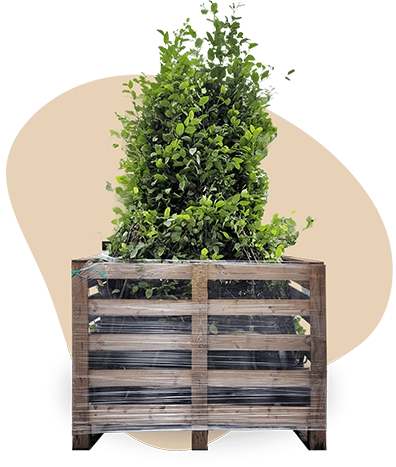
Euonymus phellomanus half-standard 120 cm C10 | Cork-wing spindle tree
A half-standard cork-wing spindle tree brings a clear, tree-like shape to the garden while keeping the character of an ornamental shrub. Euonymus phellomanus is known as the Cork-wing spindle tree, or Winged spindle tree, and this product is offered in a half-standard form. Its raised stem and elevated upper growth create a distinct silhouette compared with a naturally bushy shrub. The corky wings along the branches are especially noticeable and give the plant interest even when it is not in flower. The green foliage changes to decorative red autumn colour before falling, as this is a deciduous broadleaf shrub. Green to yellow-green flowers appear in May and June, but flowering is a secondary feature rather than the main attraction. Ornamental fruits add further seasonal interest, although they are toxic if ingested. With an upright and bushy habit above its raised stem, the plant can reach approximately 3 metres at maturity. No exact mature width is provided, so allow enough room for the upper framework to develop. This half-standard shrub has straightforward siting requirements and works well as a specimen or accent. As part of the euonymus group, it offers a strong combination of raised structure, cork-winged branches and autumn colour.
Key features of the Cork-wing spindle tree (Euonymus phellomanus) half-standard
- Distinctive growth and form: This half-standard spindle tree has a raised stem and an elevated crown. The upper growth creates a more tree-like garden presence, allowing the conspicuous corky wings on the branches to stand out clearly.
- Foliage and seasonal interest: The leaves are green during the growing season and turn red in autumn. The plant is deciduous, so it offers changing interest through the year rather than evergreen cover.
- Flowers and fruits: Small green to yellow-green flowers appear in May and June. They are a secondary feature. The ornamental fruits add interest later in the season, but they are toxic if ingested and should be treated as a garden safety consideration.
- Position: Grow in full sun or partial shade. A reasonably sheltered position is suitable for a UK garden, especially where the raised structure can be seen clearly and is not hidden among larger plants.
- Soil requirements: The plant suits all soil types when the ground is well drained, humus-rich and lightly moist. Good drainage and an open soil structure are important, so avoid waterlogged conditions. These needs also make it a useful choice for gardeners looking at hardy shrubs with clear ornamental value.
Uses of the half-standard Cork-wing spindle tree in the garden
- Specimen and accent planting: The half-standard Cork-wing spindle tree is suitable as a specimen plant where its raised silhouette can be viewed from different angles. It can also create a clear accent in a border or group planting.
- Use in pots: This form can be grown in a suitable pot where there is enough room for the plant to develop. Its elevated crown adds vertical interest and gives a container a more structured appearance.
- Border and group planting: Place it in a border or use it with other shrubs, perennials or ground-cover plants. Lower planting can help frame the stem while leaving the cork-winged branches and upper growth visible.
- Hardiness: It is hardy to approximately -28.9 to -17.8°C, USDA zone 5. This supports use in many UK gardens, but performance can still vary in very exposed positions or during unusual weather.
- Seasonal ornamental value: The strongest display comes from the half-standard silhouette, conspicuous corky wings, red autumn colour and decorative fruits. The elevated form adds structure and height without the same low, spreading profile as a bush-grown shrub.
This half-standard form is a strong choice for gardeners seeking a hardy specimen with seasonal colour, cork-winged branches and a distinct raised silhouette.