Description
Cotoneaster apiculatus 'Blackburn' Half-standard | Cranberry cotoneaster
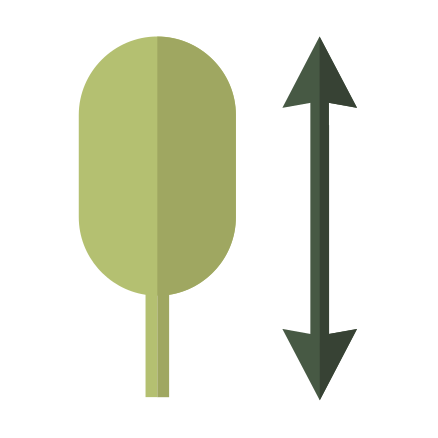
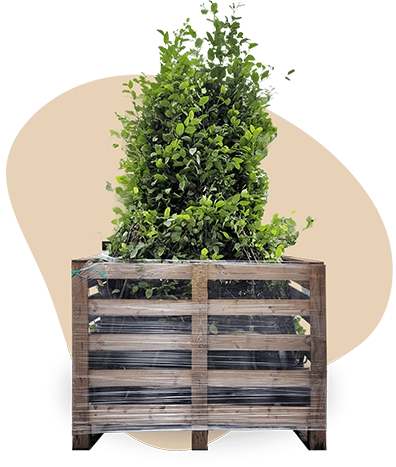
Cranberry cotoneaster half-standard is a distinctive form of Cotoneaster apiculatus 'Blackburn', supplied with a raised stem and a compact, spreading crown. This structure creates a clear silhouette above ground level and gives the plant a strong focal presence in a border, pot or other garden setting. The plant reaches approximately 150 cm in height. Its green foliage is deciduous, turning red in autumn before falling. White to pale pink flowers appear in May and June, followed by ornamental red berries. These berries are not edible for people. As a half-standard shrub, the plant has a different visual effect from a ground-level shrub, with the branching crown held in a lifted position. This makes it useful where you want a compact plant with a clear form and good seasonal interest. It is also low maintenance, which suits many UK gardens. Cotoneaster apiculatus 'Blackburn' is a hardy choice for outdoor planting and can bring structure to a carefully chosen position. Within the wider cotoneaster range, this cultivar stands out through its trained half-standard shape, spreading crown and raised ornamental profile.
Key features of Cranberry cotoneaster (Cotoneaster apiculatus 'Blackburn')
- Raised half-standard form: The plant has a raised stem with a compact, spreading crown above it. This creates an elevated silhouette and separates the crown clearly from the ground-level planting around it. Its growth remains compact and spreading, rather than forming a simple low shrub.
- Flowers, foliage and berries: White to pale pink flowers appear in May and June. The green foliage is deciduous and develops red autumn colour. Red berries remain an ornamental feature later in the season, but they are not edible for people.
- Position and soil: Plant in full sun or partial shade. It suits all soil types when the soil is well drained and humus-rich. Good drainage is particularly important in the wet conditions that can occur in UK gardens. No specific pH preference is stated.
- Garden character: The raised stem and branching structure give this shrub a clear ornamental outline. It can add height without using a large crown at ground level. Its low-maintenance character makes it a practical option for an easy-care planting scheme and for low-maintenance garden plants.
Uses of the Cranberry cotoneaster half-standard in the garden
- Specimen and focal planting: Use this half-standard Cranberry cotoneaster as a specimen plant where its raised stem and compact, spreading crown can be seen clearly. The lifted crown gives it more visual impact than a similar shrub growing directly from the ground.
- Pots and borders: The form is suitable as a container plant or as a border feature. In a pot, the elevated crown creates a defined outline above the container. In a border, it adds vertical separation while keeping the spreading growth compact.
- Rock gardens and group planting: This plant can also be used in a rock garden or in group planting. Combine it with low-growing perennials, grasses or other rock-garden planting, while leaving enough space for the raised stem and crown to remain visible.
- Hardiness and seasonal interest: It is hardy to approximately -28.9°C to -23.3°C and is rated as USDA zone 5. White to pale pink flowers in May and June are followed by red berries, while the green deciduous foliage changes to red in autumn.
- Low-maintenance structure: The half-standard form provides a clear focal accent with a compact, spreading crown. It works well where a border, pot or rock garden needs a plant with seasonal colour and an elevated shape without relying on a large ground-level shrub.
The raised silhouette also makes it easier to combine this plant with lower planting that does not hide its stem or crown. This half-standard Cranberry cotoneaster is especially useful where a compact shrub with berries and autumn colour is wanted at a raised visual level.