Description
Chamaecyparis pisifera 'Filifera Nana' multi-stemmed | Dwarf threadleaf cypress
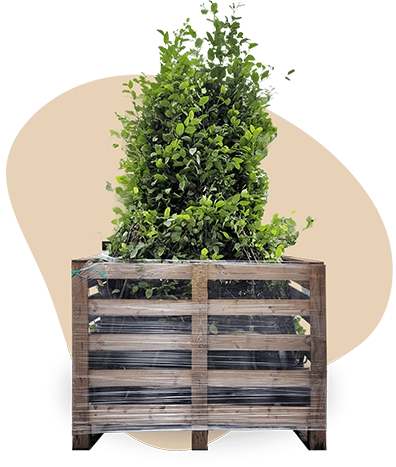
This multi-stemmed dwarf threadleaf cypress is Chamaecyparis pisifera 'Filifera Nana', also known as Dwarf threadleaf cypress. Supplied as a multi-stemmed plant, it develops several stems that create a compact, bushy and gently arching silhouette. This gives it a fuller and more layered appearance than a single-stemmed specimen, while keeping its overall scale manageable. Its green, threadlike conifer foliage is evergreen, so it provides structure throughout the year. At maturity, it reaches approximately 150 cm in height. The plant is suitable for containers as well as borders, rock gardens and group planting. Its compact growth and evergreen form make it a useful low-maintenance choice for a garden position where year-round shape is wanted. The multi-stemmed structure also gives the plant a distinctive presence without making it look like a large tree. Good drainage is important, especially in the UK's often wet conditions. Dwarf threadleaf cypress belongs to the chamaecyparis genus and is also known as Japanese false cypress or Sawara cypress. It is not grown for showy flowers, and no fruit is produced.
Key features of Dwarf threadleaf cypress (Chamaecyparis pisifera 'Filifera Nana')
- Evergreen foliage: The plant carries green, threadlike conifer foliage throughout the year. This evergreen character gives borders, containers and rock gardens a steady visual structure in every season.
- Multi-stemmed growth: Several stems form a compact, bushy and gently arching outline. This fuller low-level structure creates a layered appearance and clearly distinguishes this product from a single-stemmed plant. Its compact growth reaches approximately 150 cm at maturity.
- Flowers and reproductive features: This Japanese false cypress is not grown for a showy floral display. Brown reproductive structures are recorded for March and April, but they are a minor feature rather than the main ornamental value.
- Position and soil: Full sun or partial shade is suitable. A sheltered position can help maintain an attractive shape. Use well-drained, humus-rich and slightly moist soil, preferably neutral to acidic. Good drainage and an open soil structure are especially important during wet UK winters.
- Practical garden use: It is suitable for containers and can be used near paved areas when the soil or container remains well drained. The plant is a useful choice for Conifers, particularly where a compact evergreen shrub is needed. Avoid prolonged drought and extremely wet ground.
Uses of multi-stemmed dwarf threadleaf cypress in the garden
- Specimen planting: Used on its own, the multi-stemmed form works as a compact structural accent. The several stems create a fuller silhouette and give the plant more visual depth than a simple upright form.
- Borders and rock gardens: Its manageable scale suits borders and rock gardens where evergreen shape is needed without the presence of a large tree. The gently arching outline can add a softer layer among other low-growing planting.
- Containers and paved areas: This plant can be grown in a container and used on a terrace or near a paved area, provided the growing medium remains well drained. Its evergreen green foliage keeps the container structure present throughout the year.
- Group planting: Several plants can be used together for a fuller evergreen effect. The multi-stemmed structure gives each plant a bushy, layered shape, making it suitable for a compact group rather than a tall screen or hedge.
- Hardiness: Dwarf threadleaf cypress is hardy to approximately -23.3°C to -17.8°C, corresponding to USDA zone 6. Local conditions and exposure still influence how a plant performs, so a suitable, sheltered position remains useful.
- Plant combinations: Combine it with compact evergreen shrubs, conifers and suitable border or rock-garden plants that prefer sun or partial shade and well-drained, humus-rich, neutral to acidic soil. Avoid pairing it with plants that require permanently wet ground.
The main ornamental value comes from the evergreen green foliage and the several-stemmed, compact, bushy and gently arching outline. This fuller form adds year-round structure at a manageable scale, whether used as a specimen, in a container, border, rock garden or group planting. It is a practical choice for adding compact evergreen structure to a suitable UK garden position.