Description
Chaenomeles superba 'Pink Lady' standard 70 cm C2 | Japanese quince
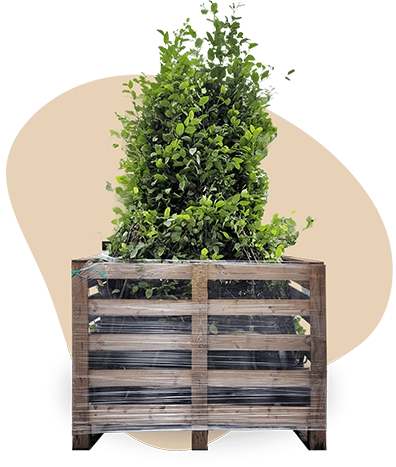
A standard Japanese quince brings the character of Chaenomeles superba 'Pink Lady' into a clear, raised form. This Japanese quince has been trained on a clear stem, with the flowering shrub forming a defined crown above it. The result is an upright, bushy silhouette that is easier to appreciate as a focal plant than a naturally low-growing shrub. ‘Pink Lady’ is a pink-flowering cultivar, producing pink flowers from March to May, with the main display in early spring. Its green foliage is deciduous, so the plant changes with the seasons while retaining a strong ornamental structure. At maturity, it reaches an average height of approximately 150 cm. No reliable mature width is supplied, so the final spread may vary. The plant can also produce ornamental fruit and has thorns, adding further character to its appearance. It is a hardy choice for UK gardens and suits a patio container, a border or another prominent position where the raised crown can be seen clearly. A bright position and well-drained soil help it perform well, while a sheltered site is a practical consideration in exposed gardens. As part of the cydonia plant group, it offers the seasonal interest associated with flowering quince in a more formal, standard-trained shape.
Key features of Japanese quince (Chaenomeles superba 'Pink Lady')
- Rich early spring flowering: This flowering quince is richly flowering, with pink flowers appearing from March to May. The flowering period is relatively brief, but it gives the garden clear seasonal interest at the start of spring.
- Deciduous green foliage: The plant carries green deciduous foliage during the growing season. The leaves provide a fresh background to the pink flowers and support the compact ornamental character of the crown.
- Light and aspect: A position in full sun or partial shade is suitable. A bright position supports flowering, while a sheltered spot can be a sensible choice for a standard-trained plant in a UK garden.
- Soil and drainage: It grows in all soil types when the soil is well drained, humus-rich and lightly moist. Good drainage is especially important during wet UK winters, and waterlogged conditions should be avoided. These qualities make it a useful choice within flowering shrubs.
- Raised standard form: The flowering crown is raised above a clear stem, creating a stronger vertical structure and a more defined silhouette than a naturally low, spreading shrub. Above the stem, the growth is upright and bushy, giving the plant a formal focal effect without losing its seasonal flowering character.
Uses of standard Japanese quince in the garden
- Border or container plant: The raised crown makes this standard Japanese quince suitable for a border, pot or container. Its structure allows it to stand above lower planting, so the pink flowers can be seen without the whole plant taking up the visual space of a low shrub.
- Solitary focal plant: Planted on its own, it creates a clear focal point on a patio, beside a path or in a prominent garden position. The stem adds height and definition, while the flowering crown keeps the display compact and easy to read.
- Group planting: Several plants can be used in group planting where a repeated raised form is wanted. The standard-trained shape gives the planting a more ordered appearance than a group of naturally spreading shrubs, while the pink early spring flowers provide a shared seasonal display.
- Hardy structure: This plant is hardy to approximately -23.3°C to -17.8°C and is rated as USDA zone 6. Local conditions and garden microclimates can differ, but the rating shows why it can be considered for hardy UK planting.
- Plant combinations: Combine it with spring-flowering perennials, spring bulbs, ornamental grasses or other low-growing plants that do not hide the raised crown. Low-growing perennials and compact shrubs can help frame the stem while keeping the defined silhouette visible.
- Seasonal ornament: Its main value comes from the pink early spring flowers and the raised flowering crown. Green summer foliage, ornamental fruit and the clear outline above the stem extend the plant’s visual interest beyond the flowering period.
The standard Japanese quince adds height and structure while retaining the flower display and container suitability of the flowering shrub. It is a strong choice for bringing early spring colour and a clearly defined ornamental structure to a border, patio or focal position.