Description
Clematis tangutica 70 cm C2 | Tangutica clematis
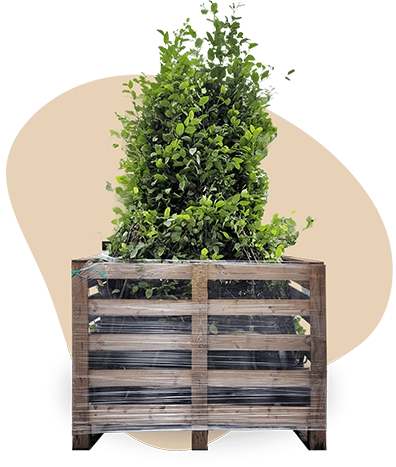
A cane-trained Tangutica clematis brings a clear vertical feature to the garden while keeping the natural character of a climbing plant. Known as Tangutica clematis, this plant is listed as Clematis tangutica gestokt and is presented in a cane-trained form. The cane guides the plant upwards, creating a defined display, while the stems continue to climb and spread around their support. It can reach approximately 4 m in height. The green foliage is deciduous, so the plant changes with the seasons and is not evergreen. Bright yellow flowers appear over a long flowering period, followed by decorative seed heads that add further interest after flowering. As a fruit-bearing plant, it produces these ornamental seed heads rather than edible garden produce. This climbing plant needs support as it grows and is not a naturally free-standing shrub. A cane-trained Tangutica clematis can help create height in a pot or border, or add a vertical feature beside a fence or pergola. In a UK garden, choose a position where the base is protected from drying while the climbing stems have suitable support. This form belongs to the clematis genus and offers a practical way to display a yellow-flowering climber in a defined shape.
Key features of Tangutica clematis (Clematis tangutica gestokt)
- Yellow summer flowering: The bright yellow flowers are a key ornamental feature and appear from June to September. This gives the plant a long period of colour through summer and into early autumn.
- Green, deciduous foliage: The foliage is green and deciduous. The leaf shape is not specified, but the green leaves provide a fresh background for the yellow flowers during the growing season. Decorative seed heads follow the flowering period.
- Supported climbing growth: The cane-trained form presents Tangutica clematis as a supported vertical feature. The cane guides the plant upwards, while the stems climb and spread rather than forming a free-standing shrub. With a final height of approximately 4 m, it needs climbing support and is best placed in a sheltered position where appropriate.
- Suitable soil and position: Grow this climber in full sun or partial shade. It prefers well-drained, open soil that is humus-rich, slightly moist and lime-rich. The soil should retain light moisture without becoming waterlogged, which is especially useful in the variable conditions of UK gardens. It can be considered among yellow-flowering climbing plants.
Uses of cane-trained Tangutica clematis in the garden
- Vertical feature in a border: The cane-trained presentation gives this climbing plant a clear place within a border. It adds height without being presented as a free-standing tree or shrub, while the stems spread across the support.
- Useful beside garden structures: Use it against a fence or on a pergola where a supported climber is wanted. The cane creates a defined starting point and helps show the plant as a vertical feature in a UK garden.
- Suitable for a pot with support: This form can be used in a pot where suitable climbing support is provided. It can also work in a border, giving flexibility where a clear upright plant feature is needed rather than a loose, unsupported climber.
- Hardy garden performance: It is listed as very hardy, with a hardiness range of approximately -28.9°C to -23.3°C and USDA zone 5. This indicates a strong level of cold tolerance, although local garden performance can still depend on position and conditions.
- Simple planting combinations: Combine the plant with compatible perennials and other garden plants suited to full sun or partial shade and well-drained, humus-rich soil. Keep neighbouring plants non-competing so that the supported stems remain a clear part of the display.
The main ornamental value comes from the combination of bright yellow flowers, green seasonal foliage, a supported vertical form and decorative seed heads. The cane-trained Tangutica clematis is a hardy, yellow-flowering vertical feature for a UK garden, pot, border, fence or pergola.