
Currently unable to ship orders to the United Kingdom

Updated on 10 September 2025

We regret to inform you that we are currently unable to ship orders to the United Kingdom. We anticipate being able to resume shipments at the beginning of 2026.

Vitis vinifera

Grape vine
Temporarily sold out

Size: Total height including pot
  • Temporarily sold out
Helpdesk
Benefits according to our specialist
  • Delicious grapes
  • Graceful growth habit
  • Mediterranean atmosphere

Description Vitis vinifera | Grape vine

The Vitis vinifera, commonly known as the grape vine, is a revered plant that not only provides aesthetic appeal to any garden but also bears the beloved fruit used in wine production. With its roots deeply entrenched in history, the cultivated grape vine is favored for its lush foliage and bountiful harvest.

Key Features

  • The Vitis genus is renowned for its robust nature and the cultivated grape is no exception. This deciduous plant offers fresh, green leaves in spring and summer, which transform into a captivating display of green and yellow in autumn.
  • It thrives in sunny locations, making it an ideal choice for a warm and bright garden spot.
  • Vitis vinifera requires moderate watering and well-drained soil to prosper, bearing fruit that ranges from black to green in the autumn.
  • The plant is winter hardy in USDA zone 7a, withstanding temperatures between -15.0°C and -17.8°C.

Tips

  • Successful propagation of Vitis vinifera can be achieved through various methods, including hardwood, softwood, and semi-ripe cuttings, as well as grafting, to ensure the best combination of fruit quality and plant resilience.
  • Annual pruning is crucial for maintaining the health of the vine and enhancing fruit production. This should be done once a year, often during the dormant season.
  • While grape vines are not drought-resistant, they do require a balance in watering. Ensure the soil remains moist but not waterlogged to promote healthy growth and fruiting.
  • If you reside in a region with temperatures dropping below the plant's winter hardiness threshold, consider providing some form of protection during the coldest months to prevent damage.

Vitis vinifera

Planting & care Vitis vinifera (Grape vine)

We would like to provide some tips on how to plant and care for a Standing trees. By following these tips, you can be sure to enjoy your Standing trees for a long time.

Ideal placement of a Vitis vinifera (Grape vine)

For optimal growth, Vitis vinifera requires a location bathed in sunlight, as full exposure is crucial for fruit development and ripening. The soil should be well-drained, as standing water can be detrimental to the roots. Although this species is adaptable to various soil types, ensuring proper drainage remains paramount. Sheltering the plant from strong winds will protect the delicate vines and promote a healthy yield. Additionally, a south-facing position is ideal in cooler climates to maximize sunlight exposure, which is essential for the cultivation of robust and flavorful fruit.

How do I plant a Vitis vinifera (Grape vine)?

When planting Vitis vinifera, choose a location that benefits from full sun exposure to encourage optimal fruiting. The soil should be well-drained, as this species thrives in a variety of soil types. Being a {X. pot-grown} plant, it allows for flexibility in planting time, although early spring is ideal. Upon planting, ensure moderate watering to establish the root system, which should be sufficient due to the plant's average water needs. Providing a sturdy support structure is essential for the growth habit of this plant, enabling the vine to climb and enhance air circulation around the foliage.

Pruning a Vitis vinifera (Grape vine)

Pruning of Vitis vinifera is essential to maintain plant health and to optimize fruit production. The best time to prune is in late winter before the first spring growth, aiming for a single pruning session each year. Remove dead or overcrowded branches to allow for adequate air circulation and light penetration. This practice encourages strong growth and a bountiful harvest. Given its winter hardiness, Vitis vinifera can withstand temperatures down to -15°C, aligning with USDA zone 7a, making it resilient in various cold climates.

Watering a Vitis vinifera (Grape vine)

Vitis vinifera requires moderate watering to thrive, particularly during the growing season when fruit is developing. It is important to ensure the soil remains moist but not waterlogged, providing a deep watering to encourage a strong root system. In the peak of summer, additional watering may be necessary, especially in well-drained soils that can dry out quickly. During the dormant season, watering can be reduced significantly. To protect against frost damage, it's advisable to water the plant less as it approaches winter, especially since it displays winter hardiness down to -15°C, aligning with USDA zone 7a.

Fertilising a Vitis vinifera (Grape vine)

To maintain a robust and fruitful Vitis vinifera, an appropriate fertilizing regime is key. It is advisable to apply a balanced fertilizer in early spring to support new growth and fruit development. As this species thrives in well-drained soils, ensure the fertilizer is well incorporated to avoid any potential nutrient runoff. During the growing season, especially when flower buds appear, a second application may promote healthier grape clusters. It's essential to avoid over-fertilization, as this can lead to excessive vegetative growth at the expense of fruit production. After harvest and before the onset of winter, a final application can help fortify the plant against colder temperatures, aligning with its hardiness in USDA zone 7a, where it can withstand lows down to -15°C.

The characteristics of a Vitis vinifera (Grape vine)

Cultivating Vitis vinifera in a pot offers flexibility in positioning to ensure it receives optimal sunlight, which is essential for fruit development. Not to be overlooked, this species is deciduous, adding seasonal interest as its foliage transitions through a splendid array of colors before shedding. Furthermore, the grape vine's tendrils add an element of charm as they gracefully climb and intertwine with structures, making it an attractive addition to patios and balconies.

Vitis vinifera

Frequently Asked Questions Vitis vinifera (Grape vine)

Which soil type is most suitable for the Vitis vinifera?

Vitis vinifera is adaptable to various soil types but thrives best in well-drained soil. Ensuring proper drainage will contribute to the optimal growth and development of the plant.

What is the ideal positioning for the Vitis vinifera?

Vitis vinifera thrives best in a location where it can bask in ample sunlight. This plant species flourishes when placed in a sunny spot, allowing for optimal growth and fruit development.

What is the flowering colour of the Vitis vinifera?

The flowers of Vitis vinifera exhibit a green coloration.

Is the Vitis vinifera hardy?

Vitis vinifera is indeed winter hardy, capable of withstanding temperatures ranging from -15.0°C to -17.8°C. This places it within the USDA's 7a hardiness zone. Therefore, Vitis vinifera can successfully endure the winter season within the specified temperature range.

Is the Vitis vinifera evergreen?

Vitis vinifera is not evergreen; it is a deciduous plant. This means that it sheds its leaves in the autumn and sprouts new foliage in the spring.

What is the growth strength of the Vitis vinifera?

Vitis vinifera matures steadily over a period of 5 to 10 years to reach its ultimate height. This gradual growth allows for the plant to establish a strong and robust foundation before reaching its full stature.

Is Vitis vinifera poisonous?

Attention: This plant may contain toxic substances. Ingestion or contact with its sap may pose health risks, especially for children and pets such as cats and dogs. We recommend keeping the plant out of reach of children and animals and wearing gloves when repotting or pruning. In case of exposure, contact a doctor or veterinarian if necessary. This information is intended as a general safety warning.

Packaged with love, for you! Our plant packaging

At Heijnen Plants, we value strong packaging just as much as strong plants. That’s why we use sustainable, water-resistant packaging made from rPET plastic: a lightweight, fully recyclable material that has already had a second life. These packages protect the plants during transport from damage and dehydration.

Learn more
Pallet
Hedge plants, trees, large plants and grass

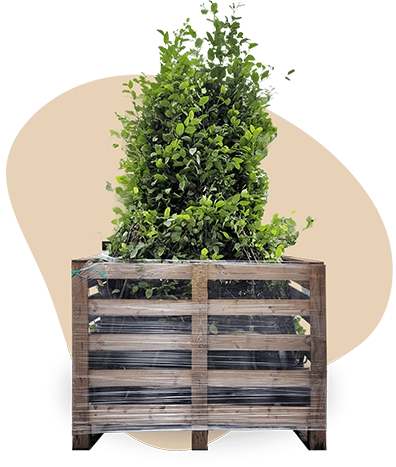
If you have ordered large-sized plants or trees, we deliver them on sealed pallets and place them around your house or driveway. The pallets are sturdy and provide optimal protection for large-sized plants.
Verpakkingen
Small to medium-sized plants

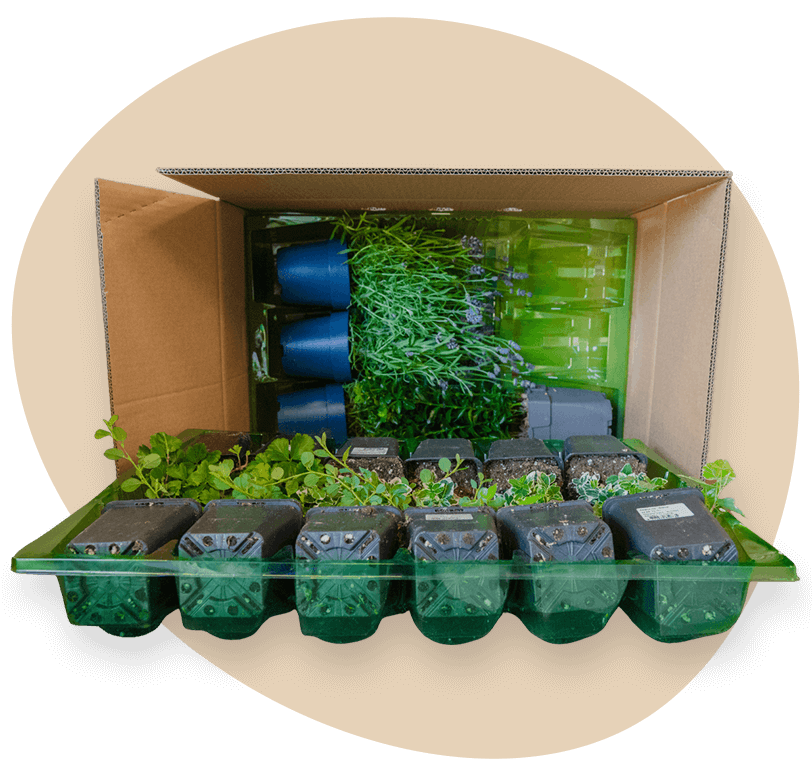
We deliver small or medium-sized plants in boxes. The size of the box depends on the size of the plant. We always make sure that the plant has enough space but still stands firmly in the box, so it cannot be damaged during transport.

The ideal variety for you

Buy Vitis vinifera

The Vitis vinifera, with its graceful vines and lush foliage, is a splendid addition to any garden. Revered for producing the world's finest grapes, this species is ideal for those who appreciate both the beauty of verdant climbers and the pleasure of harvesting their own fruit.

Personal advice from
our specialists?
We are happy to help you!
Helpdesk