Description
Acer palmatum 'Inaba-shidare' | Japanese maple
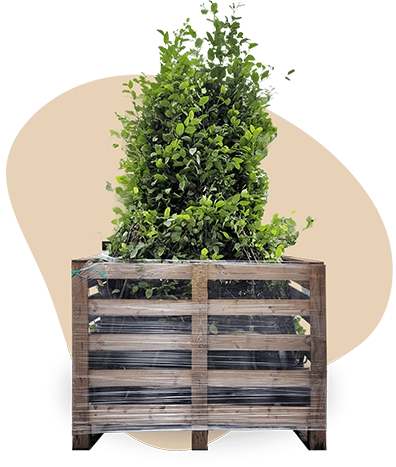
Japanese maple Acer palmatum 'Inaba-shidare' is a distinctive deciduous shrub with a spreading, upright and naturally overhanging habit. The cultivar name is 'Inaba-shidare'. It can reach an approximate mature height of 2 metres, making it suitable where a strong but well-defined ornamental shape is wanted. Its main attraction is the red to deep red foliage. The leaves are deeply cut and finely divided, giving this laceleaf maple a light, detailed appearance while the spreading branches create a graceful silhouette. In autumn, the foliage develops attractive orange to scarlet tones before falling. Small red to purplish-red flowers may appear in spring, but the foliage remains the main ornamental feature. This red Japanese maple works well as a specimen plant in a border, Japanese-style garden or container on a patio. It is generally straightforward when protected from drying conditions and harsh wind. As a shrub from the acer genus, it brings seasonal colour and a clear structure to a sheltered UK garden. Reliable soil moisture and a suitable position help it retain its ornamental value through the growing season.
Key features of Japanese maple (Acer palmatum 'Inaba-shidare')
- Foliage and seasonal interest: The red to deep red leaves are deeply cut and finely divided. In autumn, they develop warm orange to scarlet tones, giving the plant a second strong display. The leaves are deciduous, so the shrub changes clearly with the seasons.
- Flowers and growth habit: Red to purplish-red flowers may appear in April and May. Flowering is a secondary ornamental feature compared with the foliage. The shrub has a moderate ornamental growth habit and forms a spreading, upright and naturally overhanging shape, reaching approximately 2 metres.
- Position and soil: Full sun or partial shade is suitable, preferably in a sheltered position. Use humus-rich, well-drained soil that remains lightly moist. Acidic to neutral soil is preferred, with an open structure that prevents stagnant wetness around the roots. Consistent moisture is important, but the soil should not remain waterlogged. These qualities also make it a suitable choice within a carefully selected range of container plants.
Uses of Japanese maple Acer palmatum 'Inaba-shidare' in the garden
- Specimen planting: This Japanese maple is well suited as a specimen plant in a border, Japanese-style garden or patio container. Its spreading, upright and naturally overhanging habit gives it a clear visual role without relying on flowers alone.
- Containers and sheltered spaces: As a Japanese maple for pots, it can bring red foliage and a defined silhouette to a container setting. Containers need reliable moisture and good drainage. A sheltered UK position is preferable because strong winds and excessive drying can cause problems.
- Hardiness: The supplied tolerance range is approximately -28.8°C to -12.2°C, corresponding to USDA zones 5 to 8. This indicates good reported cold tolerance for suitable UK gardens, although local conditions and exposure still matter. Protection from harsh wind remains important.
- Plant combinations: The red foliage combines well with restrained green foliage, leafy perennials and ornamental grasses. Other plants suited to partial shade or a sheltered sunny position can support the colour contrast without competing with the finely divided leaves.
- Ornamental value: The greatest impact comes from the red, deeply cut leaves, the orange to scarlet autumn colour and the graceful overhanging outline. Together, these features create a strong colour accent and a sculptural specimen effect in a border, Japanese-style garden or container.
Acer palmatum 'Inaba-shidare' is a distinctive red-leaved Japanese maple for a sheltered UK garden or container, valued for its finely divided foliage, seasonal colour and spreading, upright, overhanging form.