Description
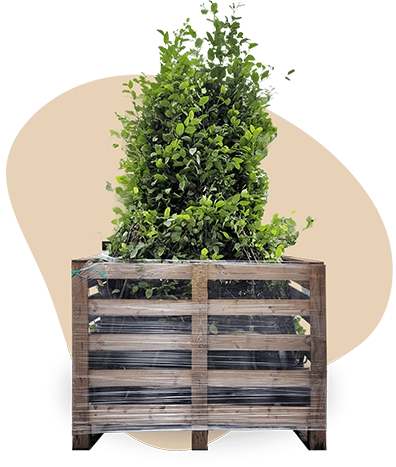
Acer palmatum 'Orange Dream' shrub 125/+ cm C15 | Japanese maple
A Japanese maple shrub brings elegant seasonal colour and a full, ornamental shape to the garden. Acer palmatum 'Orange Dream' is supplied in shrub form, with an upright, bushy and branched habit that creates a strong silhouette from the ground upwards. Unlike a high-stemmed or specially trained form, this shrub has a fuller lower presence and works well as a feature plant in a UK garden or container. It reaches approximately 250 cm at maturity. Its elegant, finely divided palmate foliage opens orange in spring, then develops yellow-green and green tones before changing to an attractive red in autumn. The foliage is deciduous, so this Japanese maple is not evergreen. Red-purple flowers appear in April and May, although flowering is secondary to the foliage display. The branched woody framework adds structure to its rounded outline, while the seasonal leaf colour provides interest over a long part of the growing season. It is a generally manageable ornamental shrub when given a suitable sheltered position. Protection from harsh afternoon sun and drying winds helps the delicate foliage retain its refined appearance. As part of the acer genus, this Japanese maple shrub is a considered choice for pots, solitary planting and Japanese-style garden settings.
Key features of Japanese maple (Acer palmatum 'Orange Dream')
- Seasonal foliage: The elegant palmate leaves are orange in spring. They later develop yellow-green and green tones, followed by attractive red autumn colour. This changing display is the main ornamental feature of the shrub.
- Flowers: Small red-purple flowers appear in April and May. Flowering is secondary to the foliage, so the plant is valued mainly for its leaf shape and seasonal colour rather than its flowers.
- Aspect and shelter: Grow this Japanese maple shrub in partial shade or sun. A sheltered aspect is preferable, with protection from strong afternoon sun where possible. Drying winds can affect the delicate foliage, so a position away from exposed conditions is advisable.
- Soil: Use humus-rich, well-drained and lightly moist soil that is acidic to neutral. The soil should remain open and airy, while persistently waterlogged or drying conditions should be avoided. These requirements also make it important to choose a suitable container growing medium.
- Growth and form: The shrub has a moderate ornamental growth habit and an upright, bushy, branched structure. This creates a fuller, lower garden presence than a high-stemmed tree and gives the plant a grounded silhouette. It can be considered alongside other container plants where its light and soil requirements are compatible.
Uses of the Japanese maple shrub in the garden
- Solitary feature: Use this Japanese maple shrub as a solitary feature where its branching silhouette can be viewed clearly. Its full shape gives a border, courtyard or sheltered garden area a defined ornamental accent without the elevated crown of a standard tree.
- Containers and borders: The shrub form works well in a container or planted in a border. In a pot, the seasonal foliage can provide a focused display on a terrace or in another suitable garden setting. In a border, its upright, bushy habit adds structure without appearing overly formal.
- Japanese-style gardens: The refined palmate foliage and changing colours suit a Japanese-style garden. The orange spring growth and red autumn colour offer a clear seasonal rhythm, while the branched framework keeps the plant visually interesting beyond its peak colour periods.
- Hardiness: This plant is hardy approximately from USDA zone 5 to 8, corresponding to about -28.8°C to -12.2°C. Actual performance depends on local conditions and exposure, especially in exposed or drying positions.
- Plant combinations: Combine it with shade-tolerant and moisture-conscious planting that does not overwhelm its delicate foliage. Woodland-style perennials, ornamental grasses and other refined foliage plants can work well where their light and soil requirements are compatible.
The main garden value of this Japanese maple shrub lies in the combination of finely divided leaves, vivid orange spring growth and attractive autumn colour. It is particularly suited to gardeners seeking seasonal colour and a refined, full-bodied feature for a sheltered position or container.