Description
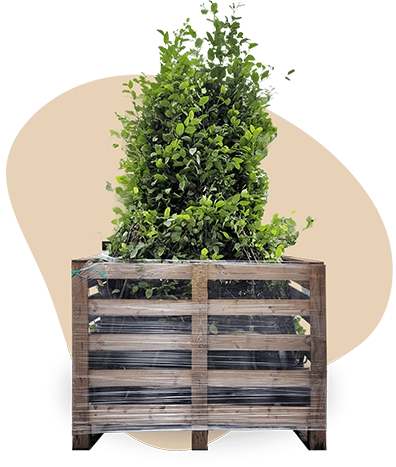
Acer palmatum 'Sango-kaku' shrub 125-150 cm C10 | Japanese maple
Japanese maple 'Sangokaku' shrub is a distinctive choice for a UK garden, supplied as a shrub rather than a raised form. This cultivar of Acer palmatum is known as coral bark maple because of its striking coral-red branches. The shrub has an upright, bushy and spreading habit, creating a naturally rounded, branching silhouette with a broad ornamental presence. It can reach an average mature height of approximately 4 metres. During the growing season, its elegant, hand-shaped palmate leaves are green. In autumn, they change through clear yellow, orange and red tones, giving the plant strong seasonal interest. The branches remain an important feature beyond the growing season and add colour and structure when the foliage has fallen. This Japanese maple 'Sangokaku' is deciduous and grows slowly, making it a considered choice for a border, a Japanese-style garden or a sheltered patio. Its shrub form creates a fuller, lower garden presence than a plant grown with a raised canopy. It can also be used as a specimen plant or grown in a container where its form and foliage can be enjoyed close to the house. Flowering is understated, with red to purplish-red flowers and fruits also produced, but the main ornamental value comes from the branches, palmate leaves and vivid autumn colour. It is not maintenance-free and benefits from a carefully chosen position.
Key features of Japanese maple 'Sangokaku' (Acer palmatum 'Sangokaku')
- Foliage and seasonal colour: The green leaves have a graceful, hand-shaped form. In autumn, they develop yellow, orange and red tones, creating a vivid display before the plant becomes dormant.
- Flowers: Flowering in April and May is relatively subtle compared with the foliage and branch colour. The flowers are red to purplish-red, so they provide a quiet seasonal detail rather than the main feature.
- Position: Choose sun or partial shade, with protection from strong afternoon sun and drying winds. Partial shade is often the safer position in UK gardens, especially where summer foliage could be exposed to intense light.
- Soil: Humus-rich, well-drained and lightly moist soil is suitable. Acidic to neutral soil is preferred, and the ground should remain open and airy, with consistent light moisture but no prolonged waterlogging during wet UK periods.
- Growth and branches: This slow-growing shrub-form Japanese maple is upright, bushy and spreading. Its branching structure begins close to the ground, forming a broad silhouette and a fuller presence than a raised or standard-shaped plant. The coral-red branches are especially valuable as winter and seasonal structure.
- Garden category: Its form and growing requirements make it a natural choice within shrubs, as well as for container planting where suitable drainage and a sheltered position can be provided.
Uses of Japanese maple 'Sangokaku' shrub in the garden
- Specimen planting: Use the Japanese maple 'Sangokaku' shrub as a focal point in a border or Japanese-style garden. Its upright, bushy and spreading silhouette gives the planting a broad, graceful shape without relying on a raised canopy.
- Patio and container use: The shrub form is suitable for a patio or container, allowing its coral-red branches and palmate foliage to be placed where the seasonal changes can be appreciated. A sheltered position remains important, particularly on exposed UK sites.
- Hardiness: The supplied hardiness range is approximately -28.9°C to -17.8°C, corresponding to USDA zones 5 to 8. In exposed UK gardens, shelter is beneficial, especially where drying winds or harsh afternoon sun may affect the foliage.
- Plant combinations: Combine it with shade-tolerant, woodland or Japanese-style planting that does not compete with its leaf and branch colour. Compatible shrubs, ferns, grasses and low-growing border plants can help frame the shrub where their growing needs suit the position.
- Seasonal structure: The coral-red branches provide colour beyond the growing season. Green palmate leaves bring a calm summer texture, followed by vivid yellow, orange and red autumn colour.
This shrub-form Japanese maple is chosen for its graceful silhouette, coral-red branches and exceptional seasonal colour in a sheltered UK garden setting.