Description
Acer palmatum 'Tamukeyama' | Japanese maple
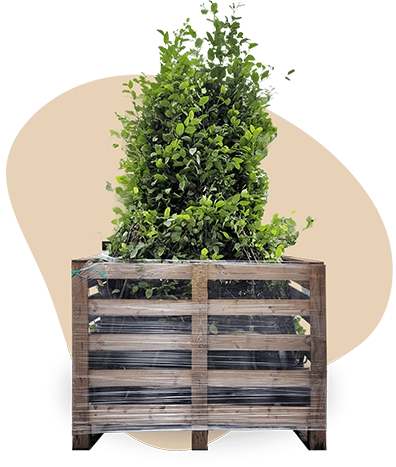
Japanese maple Acer palmatum 'Tamukeyama' is a deciduous shrub with a compact, spreading and cascading habit. This cultivar of Acer has deeply divided, delicate-looking leaves in red to purplish red. As the branches spread and gently cascade, the plant creates a low, graceful shape at shrub height rather than the upright outline of other Japanese maple forms. It reaches an average mature height of approximately 2 metres. The foliage is the main ornamental feature, with attractive orange-red autumn colour before the leaves fall in winter. Small red flowers can appear in April and May, but they are secondary to the leaf colour and elegant structure. This red Japanese maple suits a sheltered position in a UK garden, with reliable drainage and protection from prolonged waterlogging. Its compact form makes it useful for a patio or container, as well as for a Japanese-style garden, rock garden or specimen position. It offers strong ornamental value without needing a large amount of space, provided its placement requirements are met. As part of the acer genus, it brings a refined foliage accent to smaller gardens, paved spaces and carefully structured planting areas.
Key features of Japanese maple (Acer palmatum 'Tamukeyama')
- Distinctive foliage: The deeply divided leaves are red to purplish red and give the shrub a delicate, layered appearance. In autumn, they develop an attractive orange-red colour, adding a second seasonal display before the plant becomes deciduous.
- Flowers: Small red flowers may appear in April and May. Flowering is secondary to the foliage and overall structure, so this plant is chosen mainly for its colour, leaf shape and compact cascading silhouette.
- Position and soil: Choose partial shade or sun, ideally in a sheltered position. The foliage can be vulnerable to drying winds and leaf scorch in strong full sun. Humus-rich, lightly moist and well-drained soil is suitable, with an acidic to neutral pH. An open, free-draining soil structure is important in UK gardens, especially during wet winters, as the roots should not remain in prolonged waterlogging.
- Growth and containers: This is a moderately growing ornamental shrub with a compact, spreading and cascading habit. Its low, graceful outline works well in a container or on a patio when the growing medium drains well. This makes it a useful choice within container plants, especially where an upright Japanese maple would take up more vertical space.
Uses of Japanese maple Acer palmatum 'Tamukeyama' in the garden
- Specimen planting: Use this Japanese maple as a specimen in a Japanese-style garden, rock garden or carefully composed border. Its spreading branches create a low, graceful silhouette that draws attention without forming an upright focal point.
- Patios and containers: The compact form is well suited to a patio or container. It can add colour and structure to a smaller garden space, provided the container growing medium remains lightly moist while allowing reliable drainage. This is particularly important in the variable wet conditions of UK gardens.
- Hardiness: Acer palmatum 'Tamukeyama' is hardy to approximately -28.9°C to -23.3°C and corresponds to USDA zone 5. In the UK, it is still sensible to avoid exposed positions with harsh winds and to choose a sheltered aspect where the delicate foliage is better protected.
- Plant combinations: Combine it with moisture-consistent, well-drained and humus-loving plants that tolerate partial shade. Woodland-style perennials, ornamental grasses and other shade-tolerant foliage plants can support a similar planting mood, without competing with the red leaves and cascading structure.
- Ornamental value: The deeply divided red foliage, orange-red autumn colour and spreading, cascading habit provide layered colour and form through the growing season. The plant adds a refined focal point to a Japanese-inspired setting, rock garden, patio or smaller garden.
Acer palmatum 'Tamukeyama' combines red dissected foliage, autumn colour and a compact cascading silhouette for a refined UK garden or patio setting.