Description
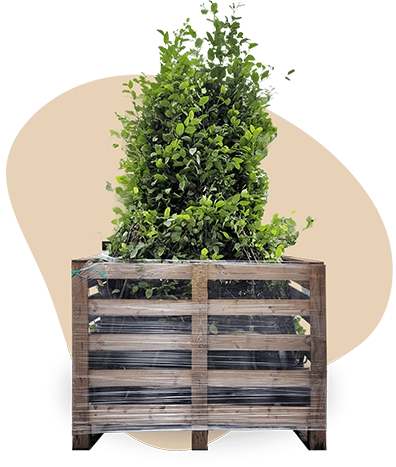
Euonymus japonicus 'Aureus' multi-stem 90-100 cm C45 | Japanese spindle
Multi-stemmed Japanese spindle brings a fuller, more substantial shape to the garden than a single-stemmed form. Euonymus japonicus 'Aureus', known as Japanese spindle, is supplied as a multi-stemmed shrub with several stems branching from the base. Together, these stems create an upright, bushy silhouette with a strong framework and a rounded, fuller appearance. The evergreen leaves are variegated in green and yellow, giving the plant lasting ornamental interest throughout the year. At maturity, it reaches approximately 2 metres in height. Its clear structure makes it suitable as a specimen plant, while its manageable size also suits a pot or container on a patio. Small greenish-white flowers appear in May and June, but they are relatively inconspicuous compared with the foliage. The plant can produce fruit, although its main garden value comes from its evergreen leaves and branching form. It is generally low maintenance and can suit UK gardens, patios and containers. As it is only moderately hardy, a sheltered position is useful, especially in exposed parts of the UK. As a member of the euonymus genus, it offers the evergreen presence of an ornamental shrub with a distinctive multi-stemmed habit.
Key features of Japanese spindle (Euonymus japonicus 'Aureus')
- Evergreen variegated foliage: The leaves remain evergreen and show a green-and-yellow variegation. This gives the shrub colour and structure across the seasons without relying on showy flowers.
- Flowers in May and June: Greenish-white flowers may appear in late spring and early summer. They are relatively inconspicuous, so the main visual focus remains on the foliage and the bushy outline.
- Light and soil: Japanese spindle grows in full sun or partial shade. It prefers well-drained, humus-rich and fertile soil that stays lightly moist, but it should not stand in waterlogged conditions. Good drainage and an open soil structure are important, particularly in the wet conditions found in some UK gardens.
- Growth and structure: This multi-stemmed Japanese spindle has upright, bushy growth and reaches approximately 2 metres at maturity. Several stems form the framework from the base, creating a fuller silhouette and a more substantial specimen effect than a single-stemmed plant.
- Position and plant group: A sheltered position is sensible in exposed UK gardens because the plant is moderately hardy. Its evergreen character and reliable structure make it a useful choice among evergreen shrubs for a mixed border, container setting or structured planting scheme.
Uses of multi-stemmed Japanese spindle in the garden
- Specimen planting: The several stems are easy to appreciate when the plant is given space as a specimen. They show the branching structure from the base and create a fuller, upright outline than a single-stemmed form.
- Pots and containers: This Japanese spindle is suitable for a pot or container on a patio. Its evergreen, variegated foliage provides a year-round presence, while the multi-stemmed shape gives the container a strong and established appearance.
- Borders and group planting: Use it in a border, group planting or a suitable planting scheme where an upright, bushy shrub is needed. The green-and-yellow leaves can complement evergreen shrubs, structural border plants and other container or mixed-border plants with compatible requirements.
- Hedging and garden structure: It can also form part of a hedge where the supplied plants and growing conditions are suitable. The several stems help create a denser-looking framework and give the shrub a stronger presence within a mixed or structured garden design.
- Hardiness for UK sites: Japanese spindle is moderately hardy, with the supplied tolerance range of approximately -17.8°C to -12.2°C and USDA zone 7. A sheltered position is advisable in colder or exposed UK locations, including gardens affected by difficult winter conditions.
The multi-stemmed Japanese spindle combines evergreen green-and-yellow variegated foliage with a fuller, specimen-like structure, making it a versatile choice for a UK garden, patio or container.