Description
Actinidia chinensis 'Jenny' trained plant 50 cm C7.5 | Kiwi
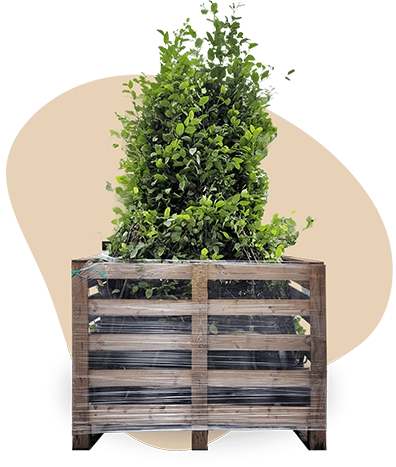
This kiwi support-trained plant, Actinidia chinensis 'Jenny', brings a clear vertical structure to the garden. Known in the UK as a kiwi plant, it is a vigorous, twining climber trained onto a support. This trained form guides the climbing habit and creates a more organised garden feature than an unsupported spreading climber. 'Jenny' is a self-fertile cultivar, so it is suited to gardeners looking for one kiwi plant with a strong presence. It can reach approximately 6 m in height when it has enough room to develop. Support is essential, and the plant needs sufficient growing space for its vigorous growth. The deciduous plant has green broad foliage and produces white flowers, followed by edible fruit. Its seasonal change gives a pergola, trellis or wall planting a useful combination of leafy cover, flowering interest and fruiting display. Choose a sheltered position in a UK garden, with sun or partial shade. A sheltered site is especially helpful because late frost can affect the plant. Good drainage is also important in the often wet UK climate. This kiwi plant is a strong-growing garden climber rather than a compact plant, so allow space for its height and for the supported growth to develop.
Key features of kiwi (Actinidia chinensis 'Jenny')
- Flowers: White flowers appear in May and June. They add seasonal interest without taking attention away from the plant’s vigorous foliage and structured climbing habit.
- Foliage: The plant is deciduous and carries green broad foliage during the growing season. The exact leaf shape is not specified, so its value is best described through its fresh green coverage and seasonal presence.
- Aspect: Grow this climbing kiwi plant in sun or partial shade. A sheltered position is preferable in the UK, as the plant needs support and late frost can still affect it.
- Soil: Use fertile, rich, humus-rich, well-drained soil that remains slightly moist. The soil should not become waterlogged, so good drainage and an open soil structure are important, especially in wet conditions.
- Growth and form: This support-trained plant is a strong-growing, vigorous twining climber guided onto a support. The structure gives it a more ordered vertical presence, while sufficient growing room remains essential for its development.
- Garden group: As a climbing plant, it fits naturally within climbing plants. Its trained form is particularly useful where a vertical garden feature is required rather than an unsupported spreading climber.
Uses of the support-trained kiwi plant in the garden
- Pergola and trellis: Use the kiwi support-trained plant on a suitable pergola or trellis. Guiding the vigorous climber onto a structure creates a clear vertical and overhead garden feature, provided there is enough room for its mature height.
- Wall planting: It can be used for wall planting where a suitable support is available. The trained form keeps the climbing habit more structured and helps the plant contribute green foliage, white flowers and a fruiting display to the setting.
- Fruit garden or specimen: This self-fertile kiwi plant can be included in a fruit garden or used as a specimen climber. It needs structural support and sufficient space, so it is not suitable as a free-standing unsupported plant.
- Hardiness: The plant is supplied as approximately hardy to -15°C to -18°C and USDA zone 7. UK gardeners should still consider late frost and choose a sheltered position, particularly in exposed or colder parts of the garden.
- Combinations: Combine it with compatible climbing plants or complementary lower-growing planting. Keep surrounding plants from competing excessively for space, light or moisture, and leave enough room for the kiwi’s strong growth.
- Ornamental value: Its structured trained habit, vigorous green foliage, white flowers and fruiting display provide several points of garden interest. It brings vertical structure to a pergola, trellis, wall or fruit garden.
This support-trained kiwi plant is particularly suitable for gardeners who want a vigorous, self-fertile climber with a clear vertical structure. Give it a sheltered position, fertile well-drained soil, essential support and enough room to develop.