Description
Citrus nobilis On stem | Mandarin tree on stem
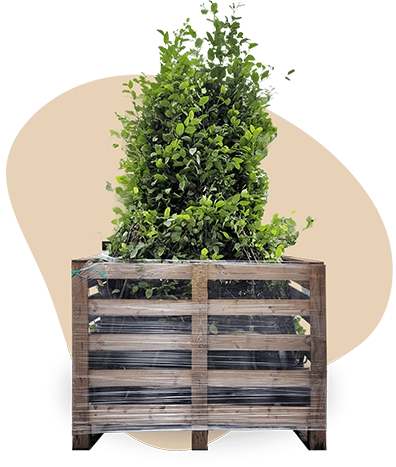
A mandarin tree on a standard brings the character of Citrus nobilis into a neat, elevated form. Also known as a mandarin tree on stem, it is a trained standard-tree form rather than a naturally bushy mandarin plant. A clear stem supports a rounded crown above the pot, creating an upright and balanced silhouette. This raised shape keeps the green foliage above the container or surrounding planting and gives the plant a formal, decorative appearance. The evergreen leaves provide colour throughout the year, while fragrant white blossom adds seasonal interest. Edible fruit is also present as a characteristic of the plant, but the main value of this standard mandarin tree is its ornamental form and citrus character. It is well suited to container growing on a sunny patio, terrace or balcony, or in a sheltered garden position. The plant needs a sunny position and frost-free winter protection, which is important in the UK's wet and changeable climate. Exact mature height and width are not provided, so the plant is best selected for its raised crown, clear stem and container-friendly shape. As part of the Citrus genus, it offers a distinct alternative to a low, spreading plant form.
Key features of the mandarin tree on stem (Citrus nobilis)
- Fragrant white blossom: White flowers appear in April and May. Their fragrance and clean colour make flowering a notable ornamental feature, especially when the rounded crown is placed where it can be viewed closely.
- Evergreen foliage and growing conditions: The green foliage remains evergreen and gives the plant structure outside the flowering period. Choose full sun, preferably in a sheltered position, and use well-drained, humus-rich soil that stays lightly moist. An open, free-draining growing medium is important, as waterlogged conditions should be avoided. This makes it a suitable choice for a potted citrus tree in a UK garden.
- Raised standard-tree form: The clear stem carries the foliage in a rounded crown above the container. This upright and formal silhouette is different from a bush-shaped citrus and gives the plant a clear focal point. It is suitable for a pot on a patio, terrace or balcony, but a sheltered position is recommended because the plant is frost-sensitive.
Uses of the mandarin tree on a standard in the garden
- Container specimen: Use this standard mandarin tree as a potted specimen on a sunny patio, terrace or balcony. It can also act as a decorative focal point in a sheltered garden position. The raised crown adds height and structure without requiring a large planting area.
- Winter protection: Citrus nobilis is frost-sensitive and requires frost-free overwintering. The supplied tolerance is approximately -5°C to 0°C, corresponding to USDA zones 9–11. It should therefore not be treated as a reliably hardy outdoor tree for UK winters, particularly in an exposed position.
- Combinations and display: Combine it with other container plants that tolerate full sun and free-draining conditions. Leave enough space around the rounded crown so that its formal shape remains visually prominent. Compatible plants for sunny patios and terraces can add seasonal interest without hiding the clear stem.
- Ornamental value: The evergreen foliage, fragrant white blossom and citrus fruit provide interest across the year. The raised crown gives a compact container display a more formal silhouette, while the clear stem keeps the foliage above the pot and surrounding planting.
- Vertical structure: The standard-tree form is useful where a garden, terrace or balcony needs a strong upright accent. It adds visual height while keeping the planting area compact. This makes it a practical decorative choice for a formal container arrangement or a sheltered garden setting.
This mandarin tree on a standard suits a sunny, sheltered container display where its rounded crown and evergreen citrus character can remain the focus. It is a decorative choice for patios, terraces and balconies, rather than a plant to leave outdoors through hard frost.