Description
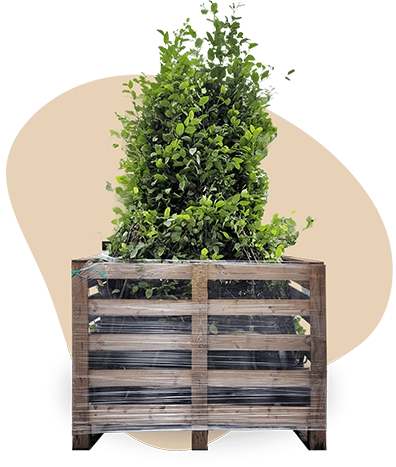
Hydrangea paniculata 'Polar Bear' multi-stem 150-175 cm C130 | Panicle hydrangea
A multi-stemmed Panicle hydrangea 'Polar Bear' brings a strong, full shape to the garden. This specific product is supplied as a multi-stemmed shrub, with several stems forming an upright, bushy silhouette. It has a fuller structural presence than a single-stemmed form and works well as a specimen plant or in a border. The UK common name is Panicle hydrangea, while the official cultivar name is 'Polar Bear'. Its green foliage is deciduous, so the shrub changes with the seasons rather than remaining evergreen. At maturity, it reaches approximately 200 cm in height; no reliable mature width is provided. Flowering is rich and ornamental, with large panicles that develop from white and pale green towards attractive pink tones during the flowering period. The combination of height, branching structure and changing flower colour gives this Hydrangea a clear presence in a UK garden. It prefers full sun or partial shade and should not be allowed to dry out for prolonged periods. It is a robust ornamental shrub, but no definitive low-maintenance claim is made. It is not grown for fruit. For more plants from the same genus, see hydrangea.
Key features of Panicle hydrangea (Hydrangea paniculata 'Polar Bear')
- Prominent flowering: Large flower panicles appear from July to September. They open in white and pale green tones, then develop attractive pink shades as the season progresses.
- Foliage and growth: The shrub has green, deciduous foliage. The multi-stemmed form develops from several stems into an upright, bushy shape and reaches approximately 200 cm, creating a fuller structural silhouette.
- Aspect and soil: Choose full sun or partial shade. In the generally mild and often wet UK climate, use humus-rich, well-drained soil that remains lightly moist. Acidic to neutral conditions are suitable, with enough air around the roots and no prolonged drying out.
- Hardiness and garden value: This shrub is hardy from approximately -34.4°C to -12.2°C, corresponding to USDA zones 3–8. Local exposure and garden conditions can still influence plant performance. Its flowering and upright form make it a useful choice among flowering shrubs.
Uses of a multi-stemmed Panicle hydrangea in the garden
- Specimen position: The several stems create a naturally structured, full silhouette. This gives the shrub a strong visual role as a specimen without presenting it as a standard tree or single-stemmed form.
- Borders and formal areas: In a border or formal planting area, the upright habit adds height and volume. The large panicles provide seasonal interest from July to September, while the branching structure gives the planting a clear framework.
- Group planting: Several plants can be used in group planting where a fuller flowering presence is wanted. The multi-stemmed structure helps each shrub contribute both volume and visual interest to the arrangement.
- Plant combinations and hardiness: Combine it with contrasting ornamental shrubs and perennials that tolerate full sun or partial shade and similar acidic to neutral, humus-rich soil. Good drainage and light moisture remain important. The plant is hardy through approximately -34.4°C to -12.2°C, or USDA zones 3–8, although local exposure can affect performance.
The greatest ornamental value comes from the large flower panicles, their change from white and pale green to pink, and the full multi-stemmed silhouette. This structure adds height, volume and a clear flowering anchor to a UK border, group planting or specimen position.