Description
Jasminum beesianum Staked | Red jasmine
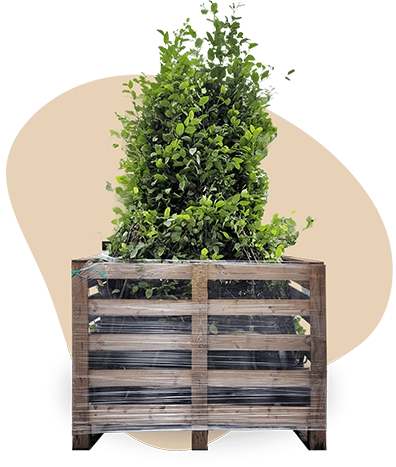
Red jasmine trained on a stake is the supported form of Jasminum beesianum supplied under the UK name Red jasmine. It is a climbing plant with an upright starting structure, created by training the young plant on a stake. This gives the plant a clear vertical shape from the outset and makes it easier to guide towards a suitable climbing support as it develops. It is not supplied as a tree or as an evergreen specimen. The green leaves are deciduous, so the plant changes character through the seasons. From May to July, it produces richly flowering, fragrant flowers in pink to red shades. These flowers give the plant its main ornamental value and also add scent to a suitable garden position. With support and favourable growing conditions, Red jasmine can reach approximately 400 cm when mature. Its final size will depend on the conditions in the garden and the support available. A sheltered position is helpful in UK gardens, especially where severe frost may cause damage. Fruit is recorded for this plant, but the main reason to grow it is its fragrant flowering, green summer foliage and climbing habit. As part of the jasminum genus, this plant is best suited to gardeners looking for a flowering climber with a ready-made, stake-supported form.
Key features of Red jasmine (Jasminum beesianum gestokt)
- Rich flowering and fragrance: Red jasmine produces pink to red, fragrant flowers from May to July. The rich flowering is a key ornamental feature, adding colour and scent during the summer months. The flowers also give this climbing plant its Pink jasmine relevance.
- Green deciduous foliage: The plant carries green leaves during the growing season. It is deciduous, not evergreen, so its foliage should be viewed as part of its seasonal display rather than a year-round screen. The leaf shape is not specified.
- Light and soil: Choose a position in full sun or partial shade. The soil should be humus-rich and slightly moist, while remaining well drained. In the mild but often wet UK climate, good drainage is important because the soil should retain some moisture without becoming waterlogged.
- Climbing growth and supported form: This flowering jasmine climber can reach approximately 400 cm when mature, although its final size depends on growing conditions and support. The specimen is supplied trained on a stake, giving it an upright structure at the start. As it grows, it will need a suitable climbing support such as a trellis, pergola or wall support.
- Bee-friendly garden value: The plant is recorded as bee-friendly. It can therefore add a useful flowering feature to a garden designed with bees in mind. Avoid very exposed positions where possible, as no specific wind tolerance is supplied and a sheltered UK position is the cautious choice.
Uses of red jasmine trained on a stake in the garden
- Pergolas, trellises and walls: The stake-trained form provides an immediate upright starting point near a pergola, trellis or wall. It can be guided towards the support as it develops, but a suitable climbing support remains necessary for the plant’s continued growth.
- Containers with support: Red jasmine can also be used in a container when suitable climbing support is available. This makes the supported form useful where a gardener wants to introduce height, fragrance and a flowering climber close to a terrace or another suitable garden area.
- Summer colour and scent: Its fragrant pink to red flowers appear from May to July, with rich flowering as the main seasonal attraction. The green foliage provides a further part of the display before the plant shows its deciduous character.
- Hardiness and position: The supplied hardiness information is approximately -15°C to -12.2°C, listed as USDA zone 7. In exposed UK gardens, protection from severe frost is sensible. A sheltered position is especially useful where cold conditions may cause damage.
- Combining with other plants: Combine it with climbing plants or other ornamental garden plants suited to full sun or partial shade and well-drained, humus-rich soil. This keeps the planting conditions consistent without taking attention away from the upright, stake-trained structure.
Red jasmine trained on a stake is a useful choice for gardeners who want fragrant summer flowers and an already supported climbing form, provided the plant receives a suitable sheltered position and climbing support.