
Currently unable to ship orders to the United Kingdom

Updated on 10 September 2025

We regret to inform you that we are currently unable to ship orders to the United Kingdom. We anticipate being able to resume shipments at the beginning of 2026.

Citrus × sinensis

Sweet orange
Temporarily sold out

Size: Total height including pot
  • Temporarily sold out
Helpdesk
Benefits according to our specialist
  • Mediterranean appearance
  • Fruit-bearing: oranges
  • Good for use as a container plant

Description Citrus × sinensis | Sweet orange

The Citrus × sinensis, commonly known as the sweet orange, is a delightful addition to any sun-soaked garden. This fruit-bearing tree, cherished for its lush greenery and succulent oranges, is a symbol of vitality and abundance. As a solitary plant, it adds a touch of the Mediterranean to the landscape, inviting a serene and refreshing ambiance into your outdoor space.

The sweet orange tree is not only appreciated for its aesthetic appeal but also for the joy of harvesting your own delectable oranges. Imagine the pleasure of plucking sun-ripened, juicy fruit right from your own garden!

Key Features

  • The Citrus family is renowned for its fragrant white flowers in April, which give way to the iconic orange fruit, maturing in a seasonal cycle and offering a year-round display of color and interest.
  • This evergreen species maintains its glossy, green foliage throughout all seasons, ensuring that your garden remains vibrant even in the colder months.
  • Citrus × sinensis thrives best in a sunny location where it can soak up the warmth, favoring well-drained soil conditions for optimal growth.
  • The sweet orange tree is known for its moderate water requirements, making it a manageable choice for both novice and experienced gardeners.
  • While the tree has a high tolerance for heat, it is best suited for USDA zone 10a, capable of withstanding temperatures as low as 1.7°C.
  • The plant typically requires minimal pruning, once a year, to maintain its shape and encourage healthy fruit production.

Tips

  • To ensure your Citrus × sinensis establishes itself effectively, plant it in a sheltered spot that receives ample sunlight. A south-facing wall or patio can offer the ideal conditions for growth.
  • Regular watering is crucial, especially during dry spells, to keep the soil consistently moist but not waterlogged.
  • Mulching with organic matter can help retain soil moisture and provide essential nutrients as it decomposes.
  • In colder climates, consider growing the sweet orange in a large pot that can be moved indoors to a conservatory or greenhouse during frost-prone months to protect its delicate winter hardiness.
  • The use of specialized Citrus plant food during the growing season can promote vigorous growth and an abundant harvest of oranges.

Citrus × sinensis

Planting & care Citrus × sinensis (Sweet orange)

We would like to provide some tips on how to plant and care for a Standing trees. By following these tips, you can be sure to enjoy your Standing trees for a long time.

Ideal placement of a Citrus × sinensis (Sweet orange)

For optimal growth, Citrus × sinensis requires a location with full sun exposure. This ensures the plant receives ample light, which is critical for fruit production and overall health. The plant thrives best in well-drained soil, regardless of soil type, provided the roots are not waterlogged. Bearing a preference for warmer climates, Citrus × sinensis is suitable for regions within USDA zone 10a, where temperatures do not typically fall below 1.7°C. In cooler areas, it may require protection or indoor cultivation during colder months to prevent frost damage.

How do I plant a Citrus × sinensis (Sweet orange)?

For optimal growth, Citrus × sinensis should be planted in a location that receives full sunlight and offers well-drained soil, catering to the species' preference for bright and airy environments. Planting should be done with care to avoid damaging the delicate root system that comes pot-grown. Once situated, it is essential to provide consistent watering to maintain moderate soil moisture, particularly during the establishment phase and warmer months. Protection from temperatures below 1.7°C is crucial, as this evergreen is only winter hardy to USDA zone 10a and could be susceptible to cold damage.

Pruning a Citrus × sinensis (Sweet orange)

Citrus × sinensis thrives with minimal interference; however, if pruning is necessary, it should be done to remove dead or crossing branches to maintain good air circulation. Pruning is best performed after the harvest season, typically once a year. During the process, make strategic cuts to shape the plant and enhance its productivity for the following season. It is crucial to prune when the risk of frost has passed, keeping in line with its winter hardiness in USDA zone 10a, where it can withstand temperatures as low as 1.7°C.

Watering a Citrus × sinensis (Sweet orange)

The Citrus × sinensis requires moderate watering to maintain its lush foliage and support fruit production. Overwatering or waterlogged soil should be avoided to prevent root rot. During the growing season, ensure the soil is consistently moist but not saturated. In the warmer months, increase the frequency of watering to counteract the higher rates of evaporation. During winter, reduce watering since the plant's metabolic activity decreases. Always allow the topsoil to dry out slightly before the next watering to encourage a strong, healthy root system.

Fertilising a Citrus × sinensis (Sweet orange)

Fertilizing Citrus × sinensis is crucial for its fruit production and overall health. These plants benefit from a balanced fertilizer rich in nitrogen, phosphorus, and potassium. Begin application in early spring and continue through summer, tapering off in autumn to prepare the plant for cooler temperatures.

Given the sensitivity of Citrus × sinensis to cold, with winter hardiness down to 1.7°C and within USDA zone 10a, it is vital to ensure the plant has adequate nutrient support to maintain its evergreen foliage and fruit development. Use a Citrus-specific fertilizer according to the package instructions, typically once every few weeks during the active growing season. Avoid over-fertilizing, as this can lead to foliage burn and compromise the plant's health.

The characteristics of a Citrus × sinensis (Sweet orange)

The Citrus × sinensis thrives in a sunny position, allowing its glossy green foliage to flourish and bring a touch of Mediterranean charm to any space. With proper care, this species can provide fragrant blossoms and succulent fruit, an olfactory and visual delight. Its versatile nature allows it to be grown both outdoors and as a potted indoor plant, where it can purify the air and elevate the ambiance of the home.

Citrus × sinensis

Frequently Asked Questions Citrus × sinensis (Sweet orange)

Which soil type is most suitable for the Citrus × sinensis?

Citrus × sinensis can thrive in various soil types as long as they are well-drained. Ensuring proper drainage is essential for the healthy growth and development of this plant.

What is the ideal positioning for the Citrus × sinensis?

Citrus × sinensis thrives best when placed in a sunny location. Providing direct sunlight will support its healthy growth and fruit development.

What is the flowering colour of the Citrus × sinensis?

The flowers of Citrus × sinensis display a pristine white color during their blooming period.

Is the Citrus × sinensis hardy?

Citrus × sinensis is not considered winter hardy, as it can only tolerate temperatures between 1.7°C and -1.1°C. Classified within USDA zone 10a, it is best suited for regions with mild winters and may require protection or indoor shelter in areas prone to colder temperatures.

Is the Citrus × sinensis evergreen?

Citrus × sinensis is indeed an evergreen plant. This means that it keeps its foliage throughout the year, adding a touch of green to your surroundings regardless of the season.

What is the growth strength of the Citrus × sinensis?

Citrus × sinensis is a species that displays a gradual progression in height, taking approximately 10 to 20 years to reach its full stature. This indicates that the growth rate of Citrus × sinensis is characterized by steady and deliberate development over an extended period of time.

Is Citrus × sinensis poisonous?

Attention: This plant may contain toxic substances. Ingestion or contact with its sap may pose health risks, especially for children and pets such as cats and dogs. We recommend keeping the plant out of reach of children and animals and wearing gloves when repotting or pruning. In case of exposure, contact a doctor or veterinarian if necessary. This information is intended as a general safety warning.

Packaged with love, for you! Our plant packaging

At Heijnen Plants, we value strong packaging just as much as strong plants. That’s why we use sustainable, water-resistant packaging made from rPET plastic: a lightweight, fully recyclable material that has already had a second life. These packages protect the plants during transport from damage and dehydration.

Learn more
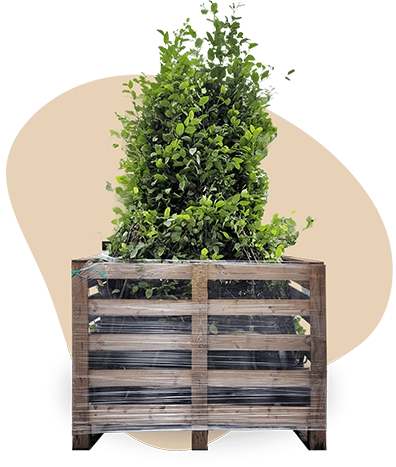
Pallet
Hedge plants, trees, large plants and grass

If you have ordered large-sized plants or trees, we deliver them on sealed pallets and place them around your house or driveway. The pallets are sturdy and provide optimal protection for large-sized plants.
Verpakkingen
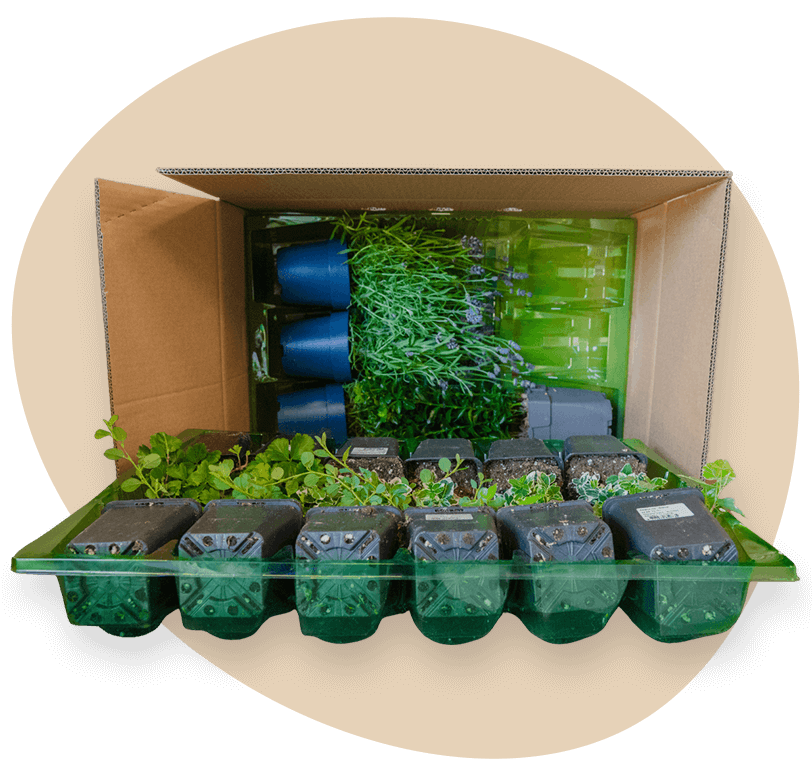
Small to medium-sized plants

We deliver small or medium-sized plants in boxes. The size of the box depends on the size of the plant. We always make sure that the plant has enough space but still stands firmly in the box, so it cannot be damaged during transport.

The ideal variety for you

Buy Citrus × sinensis

The Citrus × sinensis, with its luscious green leaves and fragrant white blossoms, is a delightful addition to any home. This plant not only adds a touch of Mediterranean charm but also offers the joy of harvesting your own sweet oranges, infusing both beauty and flavor into your living space.

Personal advice from
our specialists?
We are happy to help you!
Helpdesk