Description
Campsis tagliabuana 'Gold Trumpet' Half-standard | Trumpet vine
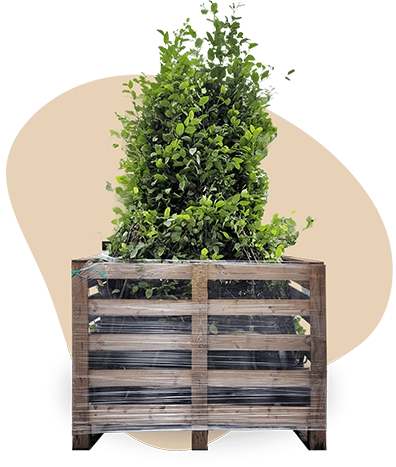
A half-standard trumpet vine brings the character of a climbing plant into a more defined garden form. Campsis tagliabuana 'Gold Trumpet', also known as trumpet vine, is trained with its foliage and flowering growth raised above ground level on a clear stem. This creates a structured, specimen-like silhouette rather than the wider outline of an untrained climber. The green foliage is deciduous, so the plant changes with the seasons and does not remain evergreen. From July to September, it produces large yellow trumpet-shaped flowers that give the raised crown a rich flowering display. As a naturally climbing plant, it still needs suitable support for its climbing growth, even though the half-standard form gives it a clear and elevated presence. In a UK garden, it can be used as a feature plant on a patio, beside a pergola or against a wall, where the crown can be seen clearly. Its form also makes it suitable as a specimen plant in a suitable pot. This trumpet vine is part of the campsis genus and offers a useful way to enjoy a climbing plant with a more formal outline.
Key features of the half-standard trumpet vine (Campsis tagliabuana 'Gold Trumpet')
- Large yellow flowers: The flowering display is a key feature of this plant. Large yellow trumpet-shaped flowers appear from July to September, bringing strong colour to the raised crown in the middle and later part of summer.
- Green deciduous foliage: The foliage is green and deciduous. This seasonal habit allows the yellow flowers to remain the main ornamental feature during the flowering period, while the clear-stemmed form keeps the overall outline easy to appreciate.
- Sun, soil and position: Choose full sun or partial shade for this trumpet vine. It prefers well-drained, humus-rich, slightly moist soil. Good drainage is important, so avoid soil that stays persistently waterlogged. A sheltered position is suitable, as the climbing growth needs support.
- Raised crown and garden value: This half-standard presentation places the foliage and flower-bearing growth above a clear stem. It remains a climbing grower and requires suitable support, but its structured shape gives it a more defined presence. The flowers are attractive to bees, making it a useful choice among yellow flowering bee plants.
Uses of the half-standard trumpet vine in the garden
- Specimen planting: Use the half-standard trumpet vine as a specimen or accent plant where its raised crown can be viewed clearly. It can bring a defined focal point to a patio, a sheltered garden area or another carefully chosen position.
- Patio, pergola or wall: This form suits a patio, beside a pergola or against a wall. It can also be grown in a suitable pot. Support remains necessary because the upper growth keeps the climbing habit of the plant.
- Hardiness for UK gardens: The supplied hardiness information is approximately -23.3°C to -17.8°C, USDA zone 6. This indicates good stated hardiness, but performance can still vary between UK gardens and local microclimates. A sheltered position is suitable for UK conditions.
- Plant combinations and seasonal effect: Combine it with sun-loving plants that prefer well-drained, slightly moist soil. Flowering perennials, ornamental grasses and other structural garden plants can work well alongside it when their light and soil needs match. The raised flowering crown adds vertical interest without losing the character of a climbing plant.
The strongest ornamental feature is the combination of a clear-stemmed, structured silhouette with abundant large yellow trumpet flowers from July to September. This makes the half-standard form useful when you want the character of a trumpet vine with a clearer focal point and a raised flowering display. It offers a defined spatial presence on a patio, beside a pergola, against a wall or in a suitable pot, while still needing support for its climbing growth. This half-standard trumpet vine combines a structured specimen appearance with yellow flowers that extend into late summer.