Description
Jasminum nudiflorum Staked 150-175 cm C5 | Winter jasmine
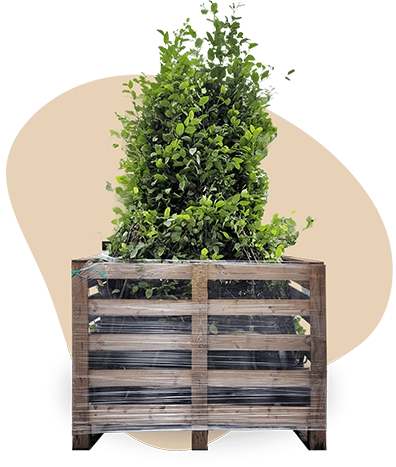
This standard-trained winter jasmine is Jasminum nudiflorum, widely known in the UK as Winter jasmine or Yellow winter jasmine. Unlike a naturally low or spreading plant, it is presented on a raised stem structure, giving the plant a clear vertical presence and a more defined silhouette. The upper growth is upright, bushy and arching, creating a rounded or gently cascading outline above the stem. This makes the plant easy to view as an ornamental feature in a border, container or specimen position. Winter jasmine is a deciduous, winter-flowering shrub with green leaves and yellow flowers from January to March. At maturity, it reaches approximately 200 cm in height. No reliable adult width is provided, so the plant is best judged by its elevated form and upper growth habit rather than by a fixed spread. The flowers are not scented. As part of the jasminum genus, this standard-trained form brings the seasonal character of Winter jasmine to a more structured garden shape. Its raised stem also helps the green foliage and winter flowers stand out clearly against surrounding planting or a simple patio setting.
Key features of Winter jasmine (Jasminum nudiflorum)
- Yellow winter flowers: The flowers appear prominently from January to March. Their bright yellow colour brings clear seasonal interest during the winter flowering period. The flowers are not scented.
- Deciduous green foliage: The plant carries green leaves during the growing season and is deciduous. The foliage supports the full, bushy appearance of the upper plant without adding an evergreen effect.
- Aspect and soil: Choose a sunny or partially shaded position, preferably with some shelter in a UK garden. It grows best in well-drained, humus-rich and slightly moist soil. The ground should remain lightly moist but must not become waterlogged, with an open soil structure that allows good drainage. This makes it a useful choice among flowering shrubs.
- Growth and standard-trained form: This is a standard-trained plant with the upper growth displayed above a single raised stem structure. The crown retains an upright, bushy and arching habit, creating a more elevated and defined silhouette than a naturally low or spreading plant.
Uses of standard-trained winter jasmine in the garden
- Specimen and focal planting: The raised form gives Winter jasmine a clear position in the garden. It can be used as a specimen plant where the yellow winter flowers and elevated outline can be seen easily. It also adds vertical definition without relying on a naturally spreading shape.
- Containers and patios: Standard-trained winter jasmine is suitable for a container position where a defined ornamental feature is needed. Its raised structure gives a pot a stronger visual outline and places the winter flowering display at a more visible height. This can work well on a patio or terrace in a sheltered UK setting.
- Borders and grouped planting: Use it as a border feature or as part of grouped planting. The upright, bushy and arching upper growth can provide contrast with plants chosen for different foliage, winter structure or seasonal flowering. It can also sit alongside evergreen shrubs, ornamental grasses, perennials and other structural garden plants.
- Winter hardiness: The supplied hardiness range is approximately -23.3°C to -17.8°C, corresponding to USDA zone 6. Local garden conditions can vary, so the plant’s position should still suit the aspect and soil requirements of a UK garden.
The main ornamental value comes from the yellow flowers shown in winter and early spring, combined with the clear silhouette created by the raised stem. This makes standard-trained Winter jasmine particularly useful where a compact winter-flowering feature with clear vertical presence is desired in a border, container or specimen position.