
Currently unable to ship orders to the United Kingdom

Updated on 10 September 2025

We regret to inform you that we are currently unable to ship orders to the United Kingdom. We anticipate being able to resume shipments at the beginning of 2026.

Citrus × clementina

Clementine
Temporarily sold out

Size: Total height including pot
  • Temporarily sold out
Helpdesk
Benefits according to our specialist
  • Vacation vibe in your own garden
  • Evergreen
  • Perfect for on balcony

Description Citrus × clementina | Clementine

The Citrus × clementina, commonly known as the clementine, is a cherished mini stem tree celebrated for its fragrant white blossoms and sweet, juicy fruits. This compact Citrus variety is perfect for cultivating in pots, making it an ideal choice for adding a Mediterranean flair to patios and sun-filled indoor spaces.

With its glossy green leaves and vibrant fruits, the clementine tree offers year-round visual interest. During April and May, it produces an abundance of delicate white flowers, which fill the air with their sweet perfume. Following the flowering season, the tree sets fruit that matures into the beloved seedless clementines known for their easy peelability and delightful flavor.

Key Features

  • The Citrus family is renowned for its attractive and productive members, and the clementine tree is no exception, with its ability to bear fruit in a pot.
  • Its hardiness makes it suitable for growing in USDA zone 10a, where it can withstand temperatures as low as 1.7°C (35°F) to -1.1°C (30°F).
  • The clementine tree requires moderate watering, which should be adjusted based on the temperature and humidity of its environment to maintain optimal health.

This delightful mini stem tree serves as a beautiful solitary plant that not only enhances the aesthetic of any space but also provides the practical benefit of home-grown fruit.

Tips

  • To ensure the best growth conditions for your clementine tree, select a location that receives full sun, as these trees thrive in bright light.
  • Although adaptable to all well-drained soil types, the clementine tree will benefit from a soil mix that is rich in organic matter, ensuring proper nutrition and adequate drainage.
  • Prune the tree lightly after the fruiting season to maintain its shape and encourage the growth of new fruiting wood for the following year.
  • When temperatures dip close to the tree's minimum tolerance, it is advisable to protect it, especially if potted and kept outdoors, to prevent damage from the cold.

Planting & care Citrus × clementina (Clementine)

We would like to provide some tips on how to plant and care for a Standing trees. By following these tips, you can be sure to enjoy your Standing trees for a long time.

Ideal placement of a Citrus × clementina (Clementine)

The optimal setting for clementine plant is an area that receives full sun. Exposure to abundant sunlight is vital for the development of the plant's delectable fruits and fragrant white blossoms. Soil quality should be a well-drained type to prevent waterlogging, which can be detrimental to the plant's health.

Given its limited cold tolerance, the clementine plant thrives best in regions within USDA zone 10a or warmer, where temperatures do not typically fall below 1.7°C. In cooler climates, providing a protected location or seasonal indoor housing is recommended to shield the plant from frost.

How do I plant a Citrus × clementina (Clementine)?

For optimal growth, Citrus × clementina should be planted in a location that receives full sunlight. It thrives in well-drained soil, accommodating a range of soil types. The miniature stem of this fruit-bearing plant requires a pot with adequate space to accommodate the root system and provide stability. When planting, ensure that the base of the stem is level with the soil surface to prevent stem rot. Given its moderate water needs, establish a consistent watering schedule, especially during dry spells. It is important to note that this Citrus plant is winter hardy to USDA zone 10a, withstanding temperatures down to 1.7°C.

Pruning a Citrus × clementina (Clementine)

Pruning of Citrus × clementina is essential to its health and productivity. The best time to prune is after the last frost when the risk of cold damage is minimal. Aim to remove any dead or crossing branches to maintain good air circulation. Thin out the interior to allow sunlight to penetrate, which encourages fruiting. Be cautious not to over-prune, as this species flowers on mature wood. Limit pruning to shaping the mini stem and removing any suckers to direct the plant's energy into fruit production.

Watering a Citrus × clementina (Clementine)

Watering Citrus Clementine should be done with care to maintain moderate soil moisture. Overwatering can lead to root rot, while under-watering may stress the plant, particularly during fruiting seasons. Ensure a consistent watering schedule, allowing the topsoil to dry out slightly between applications. It is crucial to avoid waterlogged conditions, especially in pots, where drainage is limited. During the winter months, reduce watering frequency but do not let the soil completely dry out, considering its sensitivity to temperatures just above freezing.

Fertilising a Citrus × clementina (Clementine)

To ensure the health and productivity of Citrus × clementina, a consistent fertilization regimen is crucial. Begin fertilizing in early spring and continue through to the end of summer, spacing applications every four to six weeks. Utilize a balanced, slow-release fertilizer formulated for Citrus plants, which provides an even supply of nutrients over time.

When applying fertilizer, spread it evenly around the drip line, not against the trunk, to prevent root burn and to encourage even root absorption. Over-fertilization can lead to excessive foliage at the expense of fruit production, so it is essential to follow the recommended dosage.

During the winter months, especially when temperatures approach the plant's minimum hardiness of 1.7°C, reduce or cease fertilization to prevent new growth that could be damaged by cold. Properly nourished, the clementine tree will reward you with a bountiful harvest of sweet fruit.

The characteristics of a Citrus × clementina (Clementine)

Citrus × clementina thrives in a pot, offering flexibility to move it to optimal locations throughout the seasons. The glossy evergreen leaves provide year-round visual appeal, while the fragrant white blossoms are a prelude to the delightful fruit. It's beneficial to rotate the pot periodically to ensure even growth and exposure to sunlight. Additionally, the compact size and manageable growth habit make this species an excellent choice for indoor cultivation, bringing a touch of Mediterranean flair to any home.

Citrus × clementina

Frequently Asked Questions Citrus × clementina (Clementine)

Which soil type is most suitable for the Citrus × clementina?

Citrus × clementina can thrive in a wide range of soil types as long as they are well-drained. Ensuring proper drainage will provide an optimal growing environment for this Citrus plant.

What is the ideal positioning for the Citrus × clementina?

The ideal location for Citrus × clementina is in a sunny area. This plant thrives best when placed in an environment where it can receive ample sunlight.

What is the flowering colour of the Citrus × clementina?

The flowers of Citrus × clementina showcase a pristine white color, adding an elegant touch to the plant's appearance during the flowering season.

Is the Citrus × clementina hardy?

Citrus × clementina is not considered winter hardy in regions where temperatures drop below 1.7°C to -1.1°C. This plant is categorized within hardiness zone 10a, indicating its preference for warmer climates. In areas where temperatures regularly fall below its tolerance range, protective measures such as bringing the plant indoors during cold spells will be necessary to ensure its well-being.

Is Citrus × clementina poisonous?

Attention: This plant may contain toxic substances. Ingestion or contact with its sap may pose health risks, especially for children and pets such as cats and dogs. We recommend keeping the plant out of reach of children and animals and wearing gloves when repotting or pruning. In case of exposure, contact a doctor or veterinarian if necessary. This information is intended as a general safety warning.

Packaged with love, for you! Our plant packaging

At Heijnen Plants, we value strong packaging just as much as strong plants. That’s why we use sustainable, water-resistant packaging made from rPET plastic: a lightweight, fully recyclable material that has already had a second life. These packages protect the plants during transport from damage and dehydration.

Learn more
Pallet
Hedge plants, trees, large plants and grass

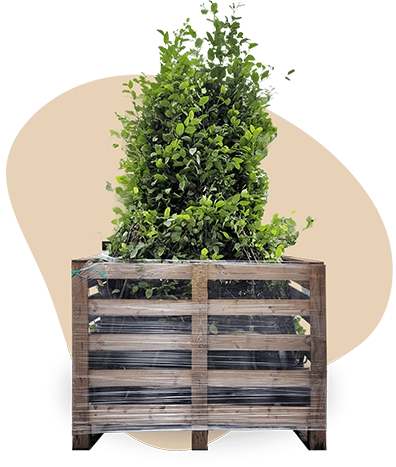
If you have ordered large-sized plants or trees, we deliver them on sealed pallets and place them around your house or driveway. The pallets are sturdy and provide optimal protection for large-sized plants.
Verpakkingen
Small to medium-sized plants

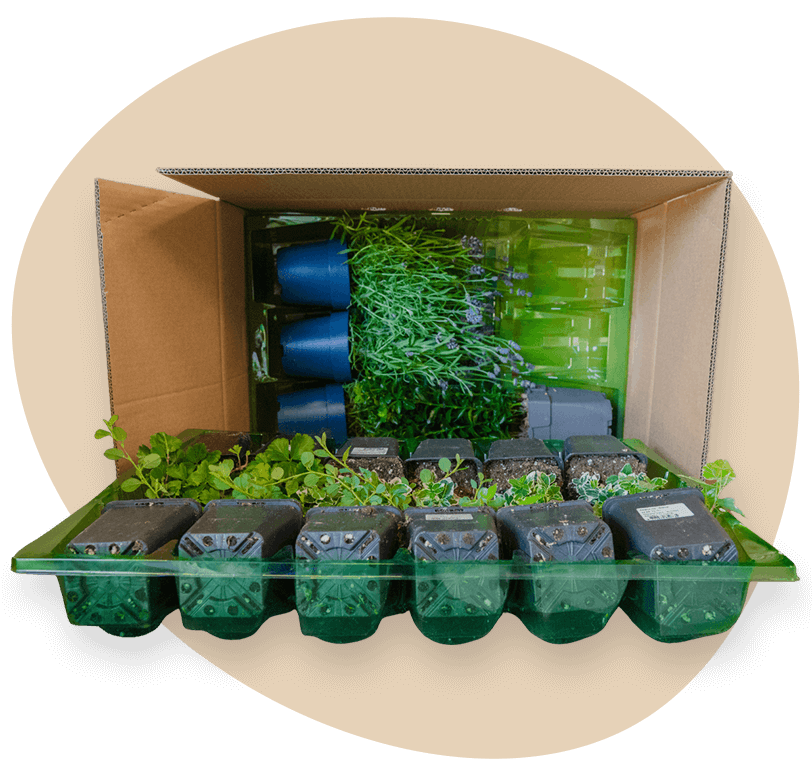
We deliver small or medium-sized plants in boxes. The size of the box depends on the size of the plant. We always make sure that the plant has enough space but still stands firmly in the box, so it cannot be damaged during transport.

The ideal variety for you

Buy Citrus × clementina

Embrace the delight of having a Citrus × clementina in your living space. This charming Citrus plant not only adds a touch of Mediterranean flair but also offers the joy of fragrant blossoms and the anticipation of harvesting your own sweet clementines. Perfect for both aesthetic appeal and practical enjoyment.

Personal advice from
our specialists?
We are happy to help you!
Helpdesk