Description
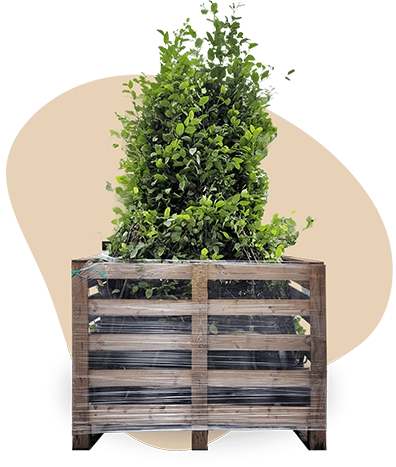
Chamaecyparis pisifera 'Filifera Nana' shrub 30-40 cm C5 | Dwarf Sawara cypress
Dwarf Sawara cypress shrub is the supplied shrub form of Chamaecyparis pisifera 'Filifera Nana', also known as Dwarf Sawara cypress. This compact, bushy and spreading conifer has slightly cascading branches, creating a low, full silhouette rather than the upright outline of a tree. Its evergreen green foliage has a fine, thread-like appearance, giving the plant a soft texture throughout the year. The decorative branch structure is especially useful where a broad, gently layered shape is preferred. At maturity, this shrub reaches an average height of approximately 150 cm. It is supplied specifically in shrub form, so it offers a different visual effect from a tree-form plant, with more width and a lower profile. The Dwarf Sawara cypress shrub is low maintenance and suitable for containers, as well as borders, rock gardens, group planting and specimen use. In a UK garden, choose a position with reliable drainage because the climate can bring long periods of wet weather. As part of the chamaecyparis genus, it brings evergreen structure without creating an upright tree-like appearance.
Key features of Dwarf Sawara cypress (Chamaecyparis pisifera 'Filifera Nana')
- Evergreen foliage: The green foliage remains present throughout the year. Its fine, thread-like appearance and decorative branches provide gentle texture without a harsh or formal look.
- Compact shrub habit: As a Dwarf Sawara cypress shrub, it forms a compact, bushy, spreading and slightly cascading shape. This creates a low, softly layered silhouette that differs clearly from an upright tree-form plant. Growth is compact rather than vigorous or fast-growing.
- Position and soil: Grow it in full sun or partial shade. It prefers moist but well-drained, humus-rich soil that is acidic to neutral. In the UK's often wet conditions, avoid prolonged waterlogging and provide an open soil structure with reliable drainage.
- Exposure and ornamental value: Protect the plant from drying easterly winds. Flowering is not a notable ornamental feature; its main value comes from the evergreen foliage and fine, thread-like branches. It is a useful choice within conifers where year-round structure is needed.
Uses of Dwarf Sawara cypress shrub in the garden
- Containers and smaller spaces: The compact, spreading habit makes this Dwarf Sawara cypress shrub suitable for containers. Its low outline works well where an evergreen plant is needed without the strong vertical effect of an upright tree.
- Borders, rock gardens and groups: Use it in a border, rock garden or group planting to add a softly cascading layer. The shrub form can help connect lower planting with taller plants while keeping a clear, low profile.
- Specimen planting: As a specimen, it shows the decorative thread-like branches and bushy outline clearly. It can be used where a broad, gently cascading evergreen accent is preferred over a narrow or formal shape.
- Hardiness and combinations: The supplied hardiness information is USDA zone 6, with an approximate temperature range of -23.3°C to -17.8°C. Performance in the UK depends on local site and exposure. Combine it with plants that tolerate sun or partial shade and acidic to neutral, well-drained soil, including low-growing border plants, rock-garden plants and other container planting.
The evergreen Dwarf Sawara cypress shrub brings year-round structure, fine texture and a soft spreading silhouette to a suitably drained UK garden or container setting.