Description
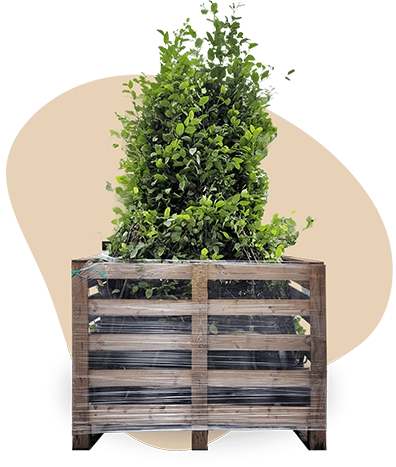
Chamaecyparis lawsoniana 'Snow White' shrub 30-40 cm C2 | Lawson cypress
The Snow White Lawson cypress shrub is a compact evergreen conifer with a clear, upright and conical silhouette. It is the cultivar Chamaecyparis lawsoniana ‘Snow White’, also known as Lawson cypress, Port Orford cedar or white Lawson cypress. The name ‘Snow White’ refers to its conspicuous white or cream young shoots, which stand out against the plant’s green foliage. The foliage remains evergreen throughout the year, giving the shrub a reliable structural presence in a UK garden. Supplied in shrub form, it creates a contained shape from a low, shrub-like framework rather than the taller appearance associated with other product forms. At maturity, it reaches approximately 200 cm in height. No reliable mature width is supplied, so its final spread will depend on growing conditions and the plant’s development. Its compact, upright habit makes it useful where a strong vertical accent is wanted without an oversized garden silhouette. It can be used as a specimen, in a border or in a container, subject to suitable growing conditions. Once established, this Lawson cypress is generally low maintenance. For more plants in the same genus, see chamaecyparis.
Key features of Lawson cypress (Chamaecyparis lawsoniana ‘Snow White’)
- Evergreen foliage: The shrub has green evergreen foliage and striking white and cream young shoots. This contrast is its main ornamental feature. The foliage provides colour and structure throughout the year.
- Growth and form: The shrub form develops a compact, upright and conical shape. This creates a contained structural accent in the garden. It differs from a taller tree-form presentation because the plant remains focused within a shrub-like framework.
- Aspect: Position the plant in full sun or partial shade. Both aspects can suit this evergreen conifer, allowing it to work in different parts of a UK garden. Choose a position that allows the conical outline and young shoots to be seen clearly.
- Soil and drainage: It prefers well-drained, humus-rich and slightly moist soil with an acidic to neutral pH. The soil should retain moisture without becoming waterlogged. Avoid prolonged drought as well as prolonged wet soil, and aim for an open soil structure, especially where UK winters bring frequent rainfall.
- Flowering and garden category: No ornamental flowering period or flower colour is supplied, so flowering is not a main feature of this product. Its value comes from its evergreen foliage, compact form and contrasting young shoots. As a conifer shrub, it fits naturally within conifers.
Uses of the Snow White Lawson cypress shrub in the garden
- Specimen planting: Use the shrub as a single specimen where its compact conical outline can act as a clear focal point. Its upright shape adds height and structure without presenting the plant as a tree. The white and cream young shoots bring a distinctive seasonal detail to the display.
- Borders and group planting: In a border, the shrub provides a contained evergreen accent among other garden plants. Group planting can strengthen the repeated upright form while keeping the overall design controlled. It is suited to gardens where year-round structure is important.
- Containers: The shrub form is suitable for use in a container where its shape can be appreciated on a terrace or other garden space. A pot also highlights the plant’s vertical outline and makes the contrasting young shoots easy to notice. The container still needs a suitable, well-drained growing environment.
- Hardiness: The supplied hardiness range is approximately -28.9°C to -12.2°C, corresponding to USDA zones 5 to 8. Performance in a UK garden can still depend on exposure and local conditions. Good drainage remains important in areas with wet winters.
- Plant combinations: Combine it with plants that complement its evergreen structure and contrast with the white or cream young shoots. Flowering perennials, grasses and other shrubs can be used as broad design groups, provided their form and conditions suit the planting position. The aim is to keep the conical shrub shape visible rather than overwhelm it.
This evergreen shrub is most effective where its compact conical shape and contrasting young shoots can be appreciated as year-round garden structure.