Description
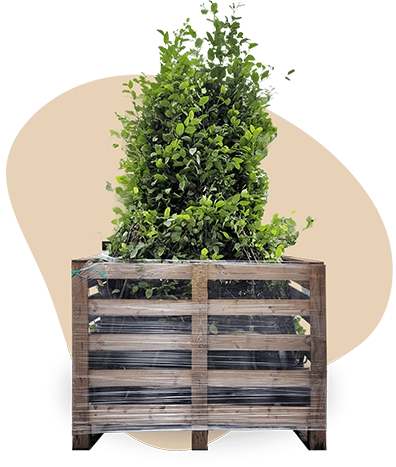
Hydrangea aspera 'Macrophylla' solitary 100-125 cm C110 | Rough-leaved hydrangea
This rough-leaved hydrangea specimen plant is Hydrangea aspera 'Macrophylla', also known as the rough-leaved hydrangea or velvet hydrangea. Supplied as a specimen plant, it gives the shrub a prominent, broad garden presence from the start. It has an upright, bushy and spreading habit, reaching approximately 250 cm at maturity. This creates a strong outline in a border or as a standalone feature, without presenting the plant as a tree or formal topiary shape. The green foliage is broad-looking and distinctly rough and velvety to the touch. This texture gives the plant interest even outside its flowering period. From July to September, it produces open flower heads in pink, lilac and white. The rich display brings colour and seasonal interest to a sheltered UK garden position. As a deciduous shrub, it changes with the seasons rather than keeping its leaves throughout the year. The specimen presentation is a feature form that benefits from protection against drying conditions and strong winds. It is a distinctive member of the hydrangea group for gardeners seeking a large, foliage-led shrub with a clear garden presence.
Key features of the rough-leaved hydrangea (Hydrangea aspera 'Macrophylla') as a specimen plant
- Notable summer flowering: The flowering display is a key ornamental feature. Open flower heads appear from July to September in pink, lilac and white, giving the shrub a long period of seasonal colour.
- Distinctive foliage: The leaves are green with a rough, velvety texture. Their broad-looking appearance adds depth and character to the upright, bushy and spreading silhouette of this specimen presentation.
- Position in a UK garden: Grow in partial shade or sun, preferably in a sheltered position. Protection from strong winds and drying exposure helps the shrub suit the often changeable conditions of a UK garden.
- Soil requirements: Choose humus-rich, well-drained and lightly moist soil. The soil should hold some moisture without becoming poorly drained, with an open structure that allows good drainage. Acidic to neutral soil is suitable.
- Garden category: With its flowering display and shrub habit, this plant fits naturally among pink flowering shrubs. Its specimen form gives the planting a stronger visual focus than a small, generic young shrub.
Uses of the rough-leaved hydrangea specimen plant in the garden
- Standalone feature: Use the rough-leaved hydrangea specimen plant as a prominent feature in a border or as a standalone shrub. Its broadening presence helps fill visual space while its upright, bushy form gives the planting structure.
- Woodland-style planting: The plant suits a sheltered, partial-shade setting with humus-rich, lightly moist soil. It can bring a strong foliage-led presence to a woodland-style garden without relying on a formal tree shape.
- Group planting: The specimen presentation can also be used in group planting where a broad, spreading shrub form is wanted. Combine it with woodland-style planting or with shrubs and border plants suited to partial shade.
- Hardiness: The supplied hardiness range is approximately -17.8°C to -12.2°C, corresponding to USDA zone 7. This information should be considered alongside the conditions of the individual UK garden, especially exposure and shelter.
- Ornamental value: The main appeal comes from the green, velvety foliage, the pink, lilac and white flower heads, and the broad visual presence of the specimen form. Together, these features create a clear focal point with late-summer flowering interest.
This rough-leaved hydrangea specimen plant is especially suitable for gardeners seeking a distinctive foliage-led feature with late-summer flowers in a sheltered UK garden position.