Currently unable to ship orders to the United Kingdom

Updated on 10 September 2025

We regret to inform you that we are currently unable to ship orders to the United Kingdom. We anticipate being able to resume shipments at the beginning of 2026.

Citrus × sinensis

Sweet orange
Temporarily sold out

Size: Total height including pot
  • Temporarily sold out
Helpdesk
Benefits according to our specialist
  • Mediterranean appearance
  • Fruit-bearing: oranges
  • Good for use as a container plant

Description Citrus × sinensis | Sweet orange

Discover the delightful presence of Citrus × sinensis, commonly known as the sweet orange, in your own garden. This mini stem Citrus tree is a charming addition to any sunny space, bringing not only lush greenery but also the promise of fragrant white blossoms and the vibrant beauty of its fruit.

Cherished for its deliciously sweet oranges, this variety is perfect for planting as a solitary specimen, where it can bask in the full glory of the sun's rays. With its year-round green foliage and the joyful burst of color from its fruit, the sweet orange is a true harbinger of the tropics.

Key Features

  • Citrus trees are renowned for their lush, evergreen foliage and orange is no exception, offering a verdant display in every season.
  • The sweet orange thrives in well-drained soil across a variety of types, ensuring versatility in garden placement.
  • Citrus × sinensis is a prolific fruit-bearer, with the ability to produce oranges year-round in suitable climates.
  • With a preference for sunny locations, the sweet orange is ideal for areas that receive full sun exposure.
  • USDA zone 10a winter hardiness means the tree is able to withstand temperatures just below freezing, but protection is advised in cooler regions.
  • The plant's moderate water requirements make it a manageable addition to the garden, requiring attention only to ensure soil remains hydrated but not waterlogged.
  • Pruning is minimal, with a general recommendation of once per year to maintain shape and encourage healthy growth.

Tips

  • To ensure the health and productivity of your Citrus × sinensis, water it regularly, particularly during dry spells. However, take care not to overwater, as Citrus trees are sensitive to overly saturated soil.
  • While the sweet orange requires minimal pruning, it can be beneficial to remove any dead or crossing branches in the late winter or early spring to maintain a strong structure and promote new growth.
  • When planting, choose a location that receives ample sunlight throughout the day, as this is crucial for the development of sweet and juicy fruit.
  • Protect your sweet orange from cold snaps by covering it or bringing it indoors if possible, as temperatures below its hardiness threshold can be damaging.
  • To propagate your own sweet orange trees, semi-ripe cuttings can be taken and rooted in well-drained soil, providing an excellent way to expand your Citrus garden.

Planting & care Citrus × sinensis (Sweet orange)

We would like to provide some tips on how to plant and care for a Standing trees. By following these tips, you can be sure to enjoy your Standing trees for a long time.

Ideal placement of a Citrus × sinensis (Sweet orange)

For optimal growth and fruit production, Citrus × sinensis demands a location bathed in full sunlight. The plant thrives when exposed to ample amounts of light, which is essential for the development of sweet, succulent fruit. While this species is adaptable to various soil conditions, well-drained soil is imperative to prevent root rot and to promote a healthy root system. Moreover, the plant requires protection from cold, as it is suited to USDA zone 10a, with a tolerance for temperatures not dropping below 1.7°C. A sheltered position can help mitigate the risk of cold damage.

How do I plant a Citrus × sinensis (Sweet orange)?

To cultivate Citrus × sinensis successfully, select a location that receives ample sunlight, as this species thrives in bright conditions. The soil should be well-drained to prevent waterlogging, which could adversely affect the mini stem's root system. Planting should be undertaken with care, ensuring the rootball is level with the soil surface to facilitate optimal growth. Given its sensitivity to cold temperatures and its preference for USDA zone 10a, where the temperature rarely drops below 1.7°C, it is crucial to protect the plant in cooler climates, possibly by moving potted specimens indoors during harsh winter months.

Pruning a Citrus × sinensis (Sweet orange)

Citrus × sinensis thrives with minimal interference, generally necessitating pruning once per year, if at all. To maintain a tidy appearance and support vigorous growth, lightly prune the mini stem after the risk of frost has passed, ideally in late winter or early spring. Remove any dead or weak branches to encourage new growth. Prudent thinning helps to enhance air circulation and sunlight penetration within the canopy, which is beneficial for the health of the plant and fruit production. Always use clean, sharp tools to make precise cuts.

Watering a Citrus × sinensis (Sweet orange)

The Citrus sinensis thrives with a moderate watering schedule, requiring a balance to maintain its lush foliage and support fruit development. It is imperative to ensure the soil remains moist but not waterlogged to prevent root rot. During the growing season, increase watering frequency to accommodate the plant's higher hydration needs, especially when flowering and fruiting. In contrast, reduce watering during the cooler months to match the plant's slower metabolism. Always use well-draining soil to provide an optimal environment for root health.

Fertilising a Citrus × sinensis (Sweet orange)

To ensure the vigorous growth and abundant fruiting of Citrus × sinensis, a consistent fertilizing regime should be adopted. Given its moderate water requirements and the need to support both flowers and fruits, a balanced Citrus fertilizer rich in nitrogen, phosphorous, and potassium is ideal. Apply this specialized fertilizer in the early spring to kickstart the growing season. Then, continue with regular feeding every four to six weeks through the summer to sustain the plant's development. As fall approaches, reduce the frequency of fertilization to allow the plant to prepare for the cooler months, especially if located in regions approaching its winter hardiness limit of USDA zone 10a. Cease fertilization in late autumn to avoid promoting new growth that could be damaged by lower temperatures.

The characteristics of a Citrus × sinensis (Sweet orange)

The Citrus × sinensis thrives in a well-draining potting medium, which facilitates healthy growth and abundant fruiting. A notable feature of this species is its ability to flower and produce fruit simultaneously, offering a delightful olfactory and visual experience. Additionally, the glossy evergreen foliage provides year-round aesthetic appeal. As a container-bound tree, it can be conveniently moved to optimize exposure to sunlight or protect it from extreme temperatures, ensuring a robust and fruitful life.

Citrus × sinensis

Frequently Asked Questions Citrus × sinensis (Sweet orange)

Which soil type is most suitable for the Citrus × sinensis?

Citrus × sinensis can thrive in a wide range of soil types, as long as the soil is well-drained. Ensuring proper drainage is essential for the optimal growth and health of this plant.

What is the ideal positioning for the Citrus × sinensis?

The ideal location for Citrus × sinensis is in a sunny area. This plant thrives best when placed in a spot where it can receive ample sunlight for healthy growth and fruit development.

What is the flowering colour of the Citrus × sinensis?

The flowers of Citrus × sinensis display a pristine white hue during their blooming period. This elegant colour adds a touch of beauty to the Citrus × sinensis plant.

Is the Citrus × sinensis hardy?

Citrus × sinensis, commonly known as sweet orange, is not considered winter hardy. With a winter hardiness range of 1.7°C to -1.1°C, falling within USDA zone 10a, it is best suited for mild winter climates. In regions with colder temperatures, protective measures or indoor sheltering may be necessary to ensure the plant's survival during the winter months.

Is the Citrus × sinensis evergreen?

Citrus × sinensis is indeed an evergreen plant. This means that it retains its foliage throughout the year, providing a consistent green appearance.

What is the growth strength of the Citrus × sinensis?

Citrus × sinensis typically takes between 10 and 20 years to reach its ultimate height, signifying a gradual and steady growth pattern over an extended period of time.

Is Citrus × sinensis poisonous?

Attention: This plant may contain toxic substances. Ingestion or contact with its sap may pose health risks, especially for children and pets such as cats and dogs. We recommend keeping the plant out of reach of children and animals and wearing gloves when repotting or pruning. In case of exposure, contact a doctor or veterinarian if necessary. This information is intended as a general safety warning.

Packaged with love, for you! Our plant packaging

At Heijnen Plants, we value strong packaging just as much as strong plants. That’s why we use sustainable, water-resistant packaging made from rPET plastic: a lightweight, fully recyclable material that has already had a second life. These packages protect the plants during transport from damage and dehydration.

Learn more
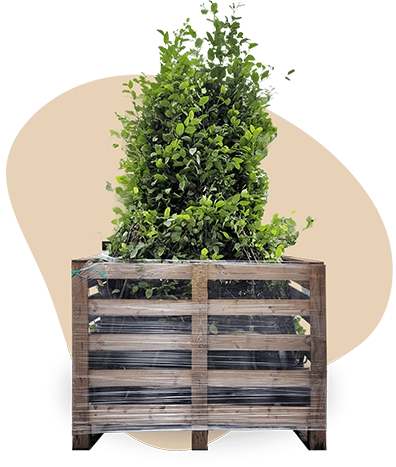
Pallet
Hedge plants, trees, large plants and grass

If you have ordered large-sized plants or trees, we deliver them on sealed pallets and place them around your house or driveway. The pallets are sturdy and provide optimal protection for large-sized plants.

Verpakkingen
Small to medium-sized plants

We deliver small or medium-sized plants in boxes. The size of the box depends on the size of the plant. We always make sure that the plant has enough space but still stands firmly in the box, so it cannot be damaged during transport.

The ideal variety for you

Buy Citrus × sinensis

Embrace the delightful presence of Citrus × sinensis in your home or garden. This splendid plant not only offers lush, aromatic leaves but also blossoms with fragrant white flowers. It is known for yielding the sweetest oranges, adding both beauty and practical bounty to any space.

Personal advice from
our specialists?
We are happy to help you!
Helpdesk