Description
Cornus kousa 'China Girl' shrub 150-175 cm C110 | Japanese dogwood
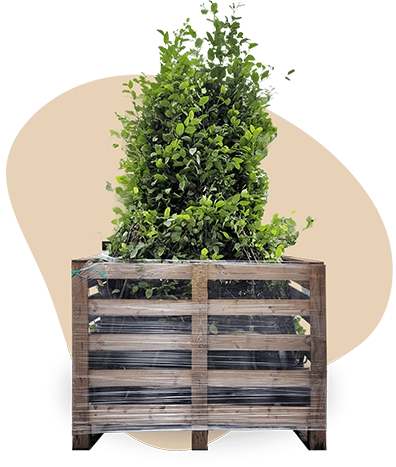
Japanese dogwood shrub Cornus kousa 'China Girl' is supplied in a full shrub form, rather than as a narrowly trained tree. Also known as Japanese dogwood or Kousa dogwood, it develops an upright, bushy and spreading silhouette with a strong presence at garden level. This shrub can reach approximately 5 metres at maturity, so it needs enough room to develop its broad habit. The green foliage is deciduous and changes to an attractive red colour in autumn. In May and June, the shrub produces white flowers with decorative white bracts, creating a clear seasonal display. Red ornamental fruits add further colour later in the season. They are valued here as a visual garden feature. As a substantial flowering shrub, it gives a fuller and more grounded effect than a narrowly trained tree form. Its structure suits gardeners who want a plant with height, seasonal interest and a spreading outline. This cultivar belongs to the cornus genus and is best viewed as an ornamental shrub with particular preferences for soil moisture, drainage and aspect.
Key features of Japanese dogwood (Cornus kousa 'China Girl')
- White flowering display: The shrub flowers in May and June. White flowers and decorative white bracts stand out clearly against the green foliage, making this a prominent feature during early summer.
- Seasonal foliage and fruit: The green leaves are deciduous and develop attractive red autumn colour. Red ornamental fruits extend the seasonal interest and complement the fuller outline of the shrub.
- Growth and garden position: The supplied shrub form has an upright, bushy and spreading habit. It can reach approximately 5 metres and creates visual width and presence at ground level. Sun or partial shade is suitable, with a sheltered position often helpful in a UK garden.
- Soil requirements: Plant this Japanese dogwood shrub in humus-rich, well-drained and lightly moist soil. Acidic to neutral conditions are preferred. Open soil with good drainage is important, especially in a mild and often wet UK climate. Avoid prolonged dryness as well as waterlogged ground.
- Garden category: With its white flowers and deciduous habit, it fits naturally among white-flowering shrubs. Its soil and moisture needs should still be considered when choosing the planting position.
Uses of a Japanese dogwood shrub in the garden
- Specimen planting: Use the shrub as a specimen where its bushy, spreading silhouette can be seen from different angles. It provides structure at garden level and leaves room for its eventual height of approximately 5 metres.
- Borders and group planting: This Japanese dogwood shrub can be placed in a mixed border or used in group planting, provided there is enough space for its mature size. Its fuller shape works well where a substantial shrub presence is wanted rather than a narrow, trained outline.
- Large pots: It can also be used as a Japanese dogwood for a large pot, as long as the container and position allow room for the shrub form. A pot-grown display can add height and seasonal interest to a suitable garden setting.
- Hardiness: The shrub is hardy to approximately -23.3 to -17.8°C, equivalent to USDA zone 6. In the UK, local exposure, aspect and winter conditions still matter. A sheltered position can be useful where gardens are more exposed.
- Plant combinations: Combine it with flowering shrubs, woodland-style perennials or foliage plants that prefer sun or partial shade. The best partners share a preference for humus-rich, well-drained and slightly moist soil that is acidic to neutral.
The main ornamental value comes from the white flowers and bracts in May and June, followed by red autumn colour and red ornamental fruit. The substantial, upright, bushy and spreading habit also gives this flowering shrub structure and a fuller visual presence than a narrowly trained tree form. This Japanese dogwood shrub is especially suitable for gardeners seeking a hardy flowering feature with autumn colour and a full, spreading garden presence.