Description
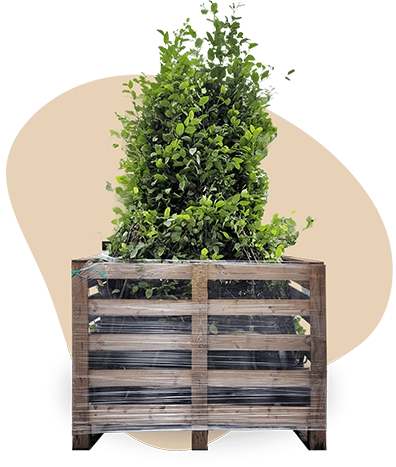
Cornus kousa 'Weiße Fontäne' shrub 175-200 cm C80 | Japanese dogwood
This Japanese dogwood shrub, Cornus kousa 'Weisse Fontaine', brings a strong, upright and bushy shape to the garden. It is the named cultivar supplied in shrub form, with a naturally full silhouette rather than a narrow or raised plant structure. Known as Japanese dogwood, it combines white showy bracts with green foliage during the growing season. In autumn, the leaves develop rich red-purple colour. Decorative red fruits add another seasonal feature after flowering. This is a deciduous broadleaf shrub, so it changes with the seasons and does not remain green throughout the year. It grows slowly when young and can reach approximately 4 metres when mature. The mature width is not specified, allowing its final spread to develop as part of its natural bushy habit. Its upright growth makes it suitable for a clear focal position, while the branching form also gives useful structure in a border. The white-flowering display makes this Japanese dogwood shrub a noticeable ornamental choice for gardens where seasonal interest is important. As part of the cornus group, it offers the distinctive combination of flowering, decorative fruits and autumn colour associated with this named form.
Key features of Japanese dogwood (Cornus kousa)
- Flowering display: This flowering dogwood shrub produces an abundant ornamental display in May and June. The showy bracts are white and stand out clearly against the green foliage.
- Seasonal foliage and fruits: The leaves are green during the growing season and develop red-purple autumn colour. Decorative red fruits extend the ornamental interest later in the year, without making any claim about human consumption.
- Growth and form: The supplied plant is an upright, bushy Japanese dogwood shrub. Its full shrub silhouette and branching structure are central features, giving it a substantial presence in the garden. Growth is slow during youth, with a mature height of approximately 4 metres.
- Aspect and shelter: Plant it in full sun or partial shade. A sheltered position can be useful in exposed UK gardens, especially where strong weather may affect an ornamental shrub.
- Soil requirements: It prefers humus-rich, well-drained and slightly moist soil. Acidic to neutral soil is suitable. Good drainage and an open soil structure are important, so avoid waterlogged conditions while keeping the soil lightly moist.
- Garden category: With its white bracts and shrub habit, it fits naturally within white-flowering shrubs. It suits gardeners looking for a flowering shrub with clear seasonal changes rather than permanent green foliage.
Uses of the Japanese dogwood shrub in the garden
- Specimen planting: The upright, bushy form gives this Japanese dogwood shrub a strong presence when planted as a specimen. It can create a clear focal point, with white bracts in May and June followed by decorative red fruits and red-purple autumn foliage.
- Border planting: Its height of approximately 4 metres and structured silhouette make it useful as a substantial feature in a border. The shrub form gives the planting a naturally bushy, grounded appearance and adds vertical interest without relying on a narrow shape.
- Group planting: Several plants can be used in group planting where a repeated shrub structure is wanted. The seasonal display becomes a shared feature, from the white flowering period to the red fruits and autumn colour.
- Hardiness: The stated hardiness range is approximately -23.3°C to -17.8°C, corresponding to USDA zones 5 to 8. This provides a useful guide, but performance can still vary between UK garden locations and local conditions.
- Plant combinations: Combine it with compatible shrubs and perennial border plants that prefer full sun or partial shade, well-drained soil and humus-rich growing conditions. Shrubs and perennials for sunny or partially shaded borders can complement its seasonal display without competing with its clear form.
- Ornamental value: The main appeal comes from the white bracts, decorative red fruits and red-purple autumn foliage. Together with the upright and bushy habit, these features give the garden interest across more than one season.
This Japanese dogwood shrub is particularly suitable for gardeners seeking a flowering structural plant with seasonal interest from white bracts, red fruits and autumn colour.