Description
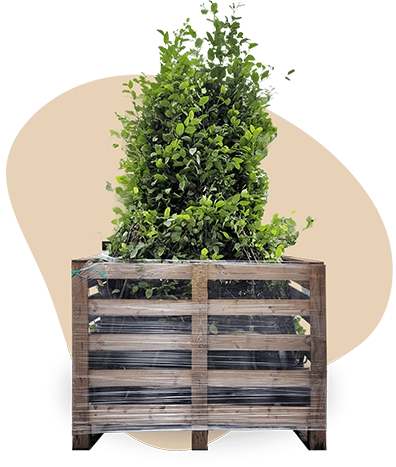
Cornus alba 'Elegantissima' Half-standard tree 90 cm C10 | Tatarian dogwood
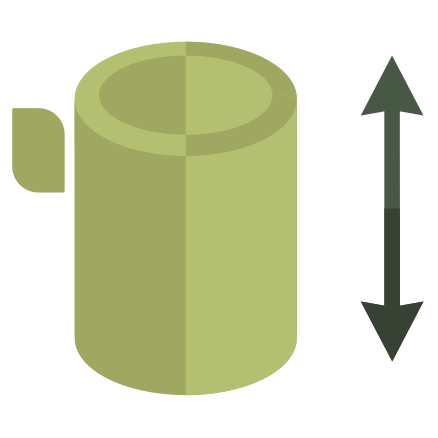
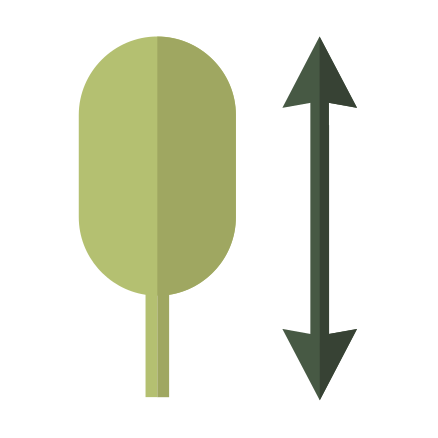
Half-standard Tatarian dogwood brings the character of Cornus alba 'Elegantissima' into the garden with a raised stem and an elevated, rounded crown. This half-standard form has a distinct silhouette compared with the naturally bushy form of Tatarian dogwood. The clear stem lifts the crown above ground level, making the plant easy to see as a structural solitary feature. The green leaves are edged or marked with white variegation, giving the plant a fresh appearance during the growing season. White flowers appear in May and June. As a deciduous shrub, it loses its leaves in winter, when the red stems become an important feature. The plant can reach approximately 250 cm at maturity, depending on growing conditions and maintenance. It is very hardy and generally low maintenance. Regular pruning can encourage young stems with a brighter red colour. This is the variegated cultivar 'Elegantissima', trained in a half-standard form rather than left as a low, naturally bushy shrub. It can bear fruit, but the main garden value lies in its foliage, flowers, raised shape and winter stems. As part of the cornus genus, it offers a clear form and seasonal interest for a UK garden.
Key features of Tatarian dogwood (Cornus alba 'Elegantissima')
- Seasonal flowers and foliage: White flowers appear in May and June. The green foliage has clear white variegation and provides colour during the growing season.
- Position and soil: Plant in full sun or partial shade. It grows in all soil types when the soil is humus-rich, lightly moist and well drained. Good drainage is important in the wet winter conditions often found in UK gardens, so avoid waterlogged ground.
- Growth and half-standard form: The plant remains upright and bushy in character, but the sold form has a clear raised stem and an elevated crown. This creates a higher, more open silhouette than a low bushy shrub and gives it a stronger visual position in a border or as a solitary plant.
- Winter stems and maintenance: Red twigs provide strong winter interest, especially after the leaves have fallen. The shrub is generally low maintenance, while regular pruning can encourage young, brightly coloured stems. Its deciduous habit means that it is not an evergreen plant.
- Garden category: With its white flowers and ornamental foliage, it can form part of a planting plan featuring white-flowering shrubs, provided the raised crown remains suitable for the design.
Uses of half-standard Tatarian dogwood in the garden
- Solitary accent: The half-standard Tatarian dogwood works well as a distinctive solitary plant. Position it where the raised crown can be seen clearly, allowing the stem, rounded crown and seasonal changes to shape the view.
- Borders and group planting: In a border or group planting, the elevated crown adds height without filling the lower garden space in the same way as a naturally bushy shrub. It can give structure while leaving room for lower border plants beneath and around it.
- Suitable combinations: Combine it with lower planting, grasses or compatible shrubs that do not hide the raised crown. These planting groups can also help keep the red winter stems visible after the deciduous foliage has fallen.
- Hardy garden structure: This is a very hardy plant, with a stated tolerance reaching approximately -40°C and USDA zones 3–7. It is therefore suited to gardens where reliable cold tolerance is important, while a reasonably sheltered position remains appropriate in the UK.
- Hedge use: It may be used in a hedge where the half-standard structure fits the intended design. This form is most effective when its elevated shape is part of the visual plan, rather than when a low, dense outline is required.
The main ornamental value comes from the contrast between the green-and-white variegated leaves during the growing season and the red twigs in winter. The half-standard form adds an elevated focal point, seasonal interest and a clear architectural presence, while leaving more visual space beneath the crown.