Description
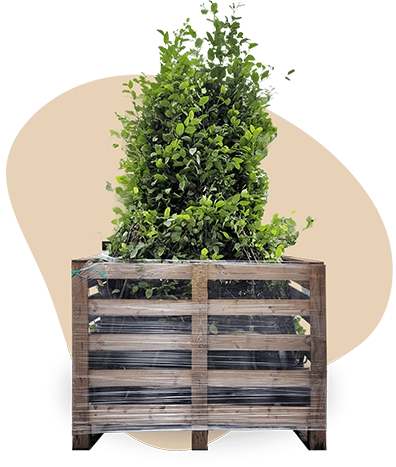
Cornus alba 'Miracle' half-standard tree 120 cm C12 | White dogwood
White dogwood half standard brings the ornamental character of Cornus alba 'Miracle' into a raised, tree-like form. Also known as White dogwood, this deciduous shrub has a clear stem and an elevated, upright, bushy crown. This creates a distinct silhouette and makes the green and white-variegated foliage easier to view. The decorative red stems also remain an important feature when the leaves have fallen in winter. The crown gives the plant a stronger vertical presence than a low shrub form, making it useful for adding structure and visual height to a border, a specimen position or a pot. The leaves appear during the growing season and are followed by white flowers. As a deciduous plant, it loses its leaves in winter rather than remaining evergreen. The approximate mature product-data height is 250 cm. No reliable mature width is specified for this half-standard form. Cornus alba 'Miracle' has an upright, bushy growth habit and is considered low maintenance. It suits a sunny or partially shaded position in a UK garden. As part of the Cornus genus, it combines seasonal foliage, flowers and colourful stems with the clear garden structure created by its raised crown.
Key features of White dogwood (Cornus alba 'Miracle')
- Seasonal flowering: White flowers appear in May and June. They add a gentle seasonal feature above the raised stem and within the bushy crown.
- Variegated deciduous foliage: The leaves are green with white variegation. They provide colour and contrast during the growing season, while the deciduous habit allows the red stems to become more visible after leaf fall.
- Aspect and soil: This plant grows in full sun or partial shade. It is suitable for all soil types when the soil is humus-rich, well drained and lightly moist. Good drainage is important, so avoid waterlogged conditions.
- Half-standard growth: The half-standard form consists of a raised stem carrying an elevated, bushy crown. This gives a more open lower view and a clear vertical accent than the natural low shrub form, without changing its upright and bushy character.
- Decorative stems: The red stems are a key ornamental feature, especially in winter when the leaves have fallen. Their colour gives the plant continued seasonal interest in a UK garden.
- Garden category: With its white flowers and ornamental foliage, it fits naturally among White flowering shrubs. Its raised form also helps it stand apart from lower planting.
Uses of White dogwood half standard in the garden
- Specimen planting: White dogwood half standard works well as a specimen plant. The raised stem and elevated crown create a clear focal point, while the foliage, flowers and red stems offer interest through different seasons.
- Borders and structure: In a border, the half-standard execution adds height without filling the lower view with a dense shrub shape. It can mark a transition, add a vertical accent or bring structure to a mixed planting.
- Pots and group planting: This form is suitable for a pot where an elevated crown can be viewed clearly. It can also be used in group planting, provided the overall design allows the raised stems and bushy crowns to remain visible.
- Hardiness: The plant is hardy to approximately -29°C and is listed for USDA zones 4–7. This makes it a strong choice for many UK gardens, including areas with cold winter conditions.
- Plant combinations: Combine it with shrubs and perennials that suit full sun or partial shade and prefer humus-rich, well-drained and lightly moist soil. Border planting can support the vertical shape while keeping the crown visually accessible.
- Ornamental value: The green and white-variegated foliage, white flowers and red stems provide changing seasonal detail. The half-standard form adds height and a clear outline, making it useful as a focal point in a border, pot or specimen position.
This half-standard White dogwood combines seasonal colour with a clear structural role in a UK garden. Its raised crown gives the plant an accessible, upright presence, while the variegated foliage, white flowers and red stems extend its ornamental value across the year.